

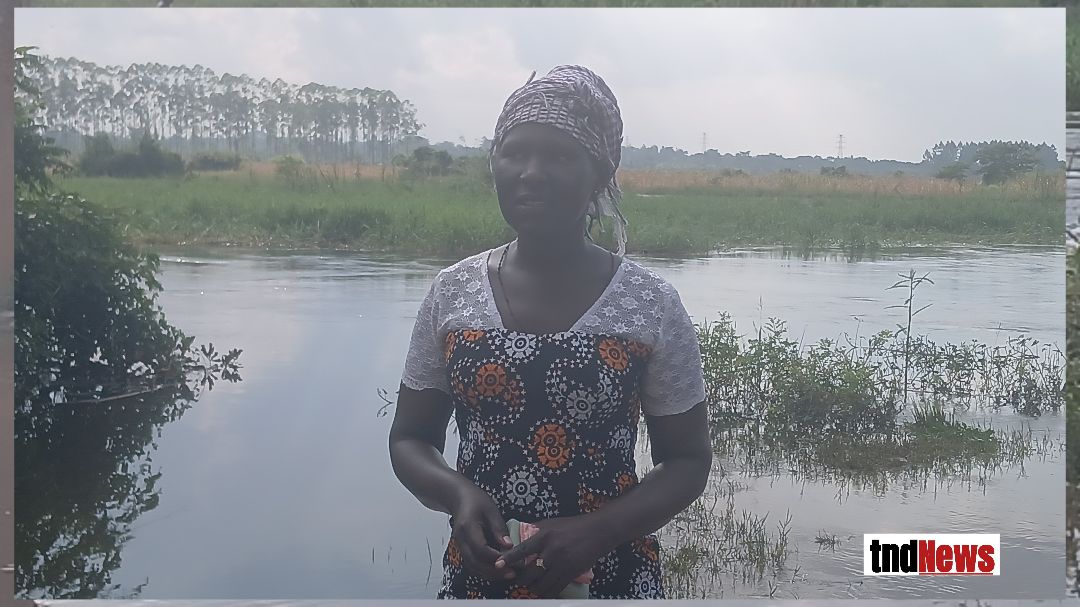
Since the onset of the rainy season in July 2025, Uganda has faced unprecedented flooding that has wreaked havoc across the country. From the mountainous terrains of Sironko, the flat plains of Northern Uganda – to the bustling streets of Kampala, communities have been submerged, lives lost, and livelihoods destroyed.
These floods have exposed the fragility of our infrastructure and highlighted the urgent need for comprehensive climate adaptation strategies. They are not just natural events; they are stark reminders of the vulnerability of our society to the effects of climate change and poor urban planning.
The human toll of these floods has been devastating. In the past month alone, flash floods have claimed numerous lives and displaced thousands. In Sironko district, torrential rains on August 17 washed away the Nalugugu Bridge, paralyzing transport along the Kapchorwa–Mbale Highway and isolating entire communities.
In Bukedea district, the overflowing River Sironko inundated Tajar village, displacing residents and destroying homes. Otuke, Dokolo, Kwania, Alebtong, and Amolatar have been affected. Even the capital city has not been spared. These recurring disasters underscore the vulnerability of both rural and urban centers to climate-induced hazards and expose the urgent need for preventive measures.
The relentless rains have also strained Uganda’s infrastructure. The Ministry of Works and Transport has reported that several key highways and bridges have been submerged or swept away, cutting off communities and disrupting transport links nationwide.
In response, the government has committed shs250 billion to repair damaged roads and provide relief to affected regions. While this financial commitment is commendable, it raises important questions about the adequacy of our infrastructure to withstand such extreme weather events.
The recurring nature of these disasters calls for a fundamental reevaluation of our urban planning, construction standards, and overall preparedness for climate-induced emergencies.
The Intergovernmental Panel on Climate Change (IPCC) reports that human-induced global warming has contributed to higher rainfall patterns in parts of East Africa, intensifying flood risks. In urban areas like Kampala, the problem is compounded by the destruction of wetlands and inadequate drainage systems.
Studies indicate that approximately half of Kampala’s wetlands have been lost to urban development, significantly increasing the risk of flooding during heavy rains. Poor waste management further worsens the situation.
An estimated 60% of urban waste in Kampala is improperly disposed of, blocking drainage channels and overwhelming already limited drainage systems. These factors combine to make urban flooding an increasingly frequent and destructive phenomenon.
The economic consequences of these floods are equally severe. In 2024, floods, landslides, and other climate-related disasters displaced over 78,000 people and affected more than 413,000 across Uganda, marking the worst year since UNICEF began tracking such data in 2018.
Infrastructure, homes, and agricultural land have been destroyed, setbacks that threaten national development and exacerbate poverty. While government efforts to repair roads are important, they represent only reactive measures.
Uganda urgently needs proactive strategies, including investment in climate-resilient infrastructure, sustainable urban planning, and robust disaster management systems to mitigate future disasters.
Addressing this crisis requires a multifaceted approach. Strengthening infrastructure is essential, ensuring that roads, bridges, and public buildings are resilient to extreme weather events. Urban planning must be reformed to protect wetlands and maintain effective drainage systems.
Community engagement is equally important; citizens must be educated about climate change and actively involved in disaster preparedness and response. Policy implementation should be enforced rigorously, regulating land use, protecting natural resources, and promoting sustainable development.
At the same time, Uganda must strengthen collaboration with international organizations and neighboring countries to share knowledge, resources, and strategies for climate adaptation.
As Uganda confronts these challenges, it is clear that the fight against flooding is not simply about repairing roads and bridges, but about building a resilient nation that can adapt to changing climatic conditions while protecting its citizens from the recurrent devastation caused by natural disasters.
This requires a collective effort from the government, civil society, the private sector, and individuals. Let this crisis serve as a wake-up call. The time has come to move beyond reactive responses and invest in proactive strategies that address the root causes of flooding.
Only through sustained, coordinated action can Uganda hope to secure a sustainable and prosperous future for all its citizens.
The author’s views aim to stimulate discussion on the urgent need for comprehensive climate adaptation strategies in Uganda.
Discover more from tndNews, Uganda
Subscribe to get the latest posts sent to your email.