Key highlights:
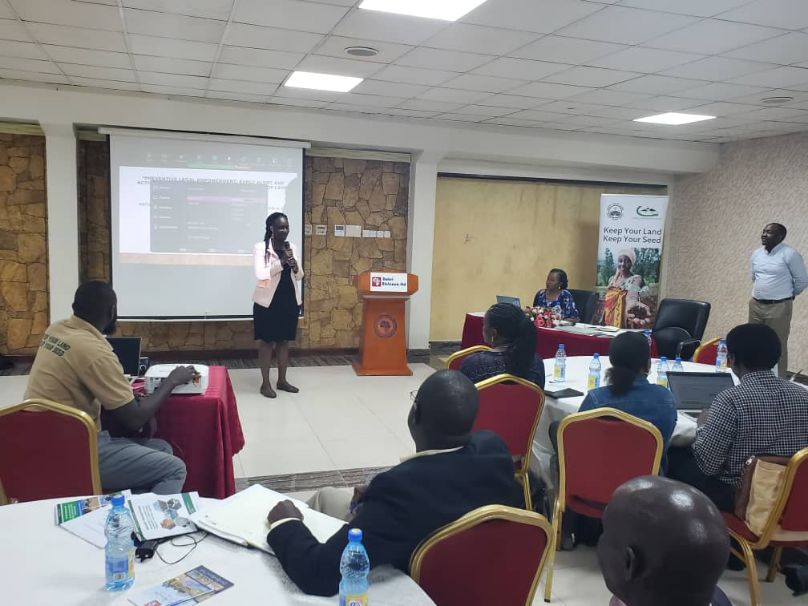
● The research theme was “Preventive Legal Empowerment: Early Alert and Action to Strengthen Rights in the Context of Land-based Investments in Uganda.”
● The research was conducted between January 2022 and May 2025, in collaboration with International Institute for Environment and Development (IIED)
● The research was funded by International Development Research Centre (IDRC).
Top researchers at Land and Equity Movement in Uganda (LEMU) have in their research conducted over three years made recommendations to strengthen land rights and preventive legal empowerment in Uganda.
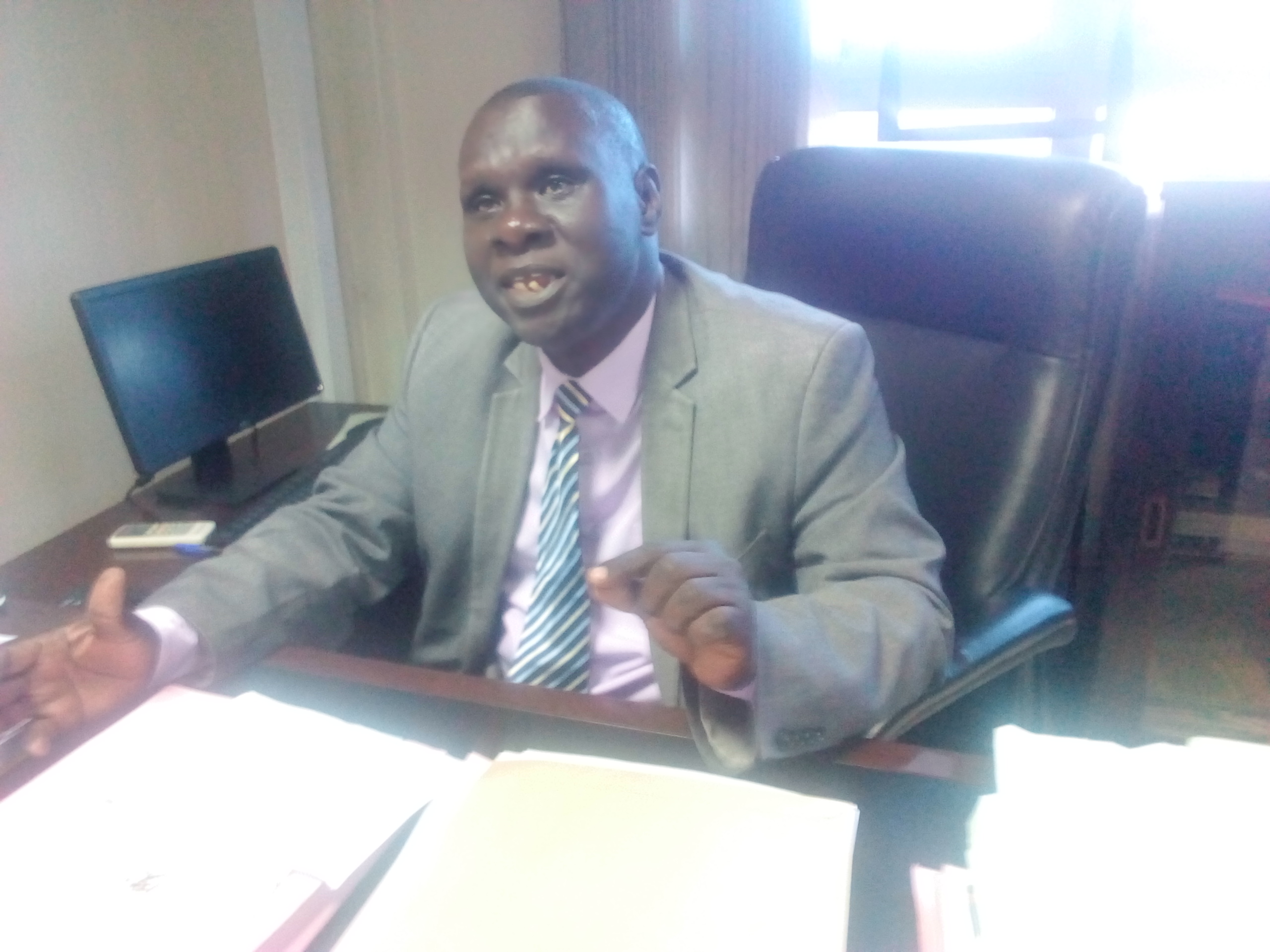
Researchers Dr. Theresa Auma, also the Executive Director of LEMU and principal investigator, Dr. Doreen Nancy Kobusinge, co-principal investigator and Aelx Sebukula, research assistant, explored how preventive legal empowerment support and conflict resolution strategies can help rural communities in Uganda ensure that land rights are respected.
Conducted in the country’s four sub-regions of Acholi, Lango, Teso and Karamoja – benefiting 15 districts, the researchers noted over 48 land based investment cases and over 1,000 grievances.
Read More: Poverty aiding land dispossession in communities – LEMU researchers find
For example, in Lamwo district, it was found that some investment cases are too big for a single Civil Society Organisation (CSO) to handle. This included areas where state security organs are heavily present and involved. Historical or old land cases earlier handled by different actors but couldn’t be concluded are high.
The trio of researchers cited conflicts in Apaa (land), conservation areas and the Balalao infiltration cases in the region.
Another big case is the marble extraction in Rupa sub-county, Moroto district which has been ongoing for more than one decade.
“Such cases present risks of stepping on the toes of the powerful investors who are highly connected and can do anything to protect their investments including closure of the ‘prying CSO’,” the researchers said.
In a push to find everlasting solutions, the researchers, in their Policy Brief, Issue No.1 of 2025, have made key recommendations.
They have recommended that preventive legal empowerment approaches to resolve or manage land related disputes between communities and investors be prioritized.
Another recommendation is for the creation of accessible, affordable and trusted resolution mechanisms, in addition to developing and making use of hotspot mapping and investor compliance monitoring tools.
The above tools “proactively forecast the likelihood of conflict and to identify high-risk areas.”
They recommend leveraging strategic alliances with the government and strengthening local leaders’ accountability.
“Advocacy efforts are most successful when partnering with government allies to enforce laws and confront investors’ illegal practices,” the researchers have recommended.
The LEMU researchers have also recommended the creation of accessible, affordable and trusted dispute resolution mechanisms. This, they argue, is necessary for creating an easily accessible and trusted fora where communities can bring and resolve complaints quickly and effectively.

“Religious and cultural authorities should be trained to play a role in land conflict resolution as they often have significant legitimacy within communities.”
Addressing power asymmetries by leveraging the media and providing information to communities. Under this, they say activists can proactively strengthen communities’ ability to advocate for their rights by providing them with information about their rights under national and international laws.
Other recommendation is ensuring that marginalised groups are fully represented and there is space for their participation. “Representatives of marginalised groups should be included in all discussions about community investor conflicts. This is because landbased conflicts affect community members differently depending on their livelihoods, identity and vulnerability.”
The last recommendation calls for the establishment and strengthening of existing multi-stakeholder platforms in regions where investment violations are rampant. “Communities were found to be suffering violations in isolation and without knowledge of where they could have their grievances sorted.
“On the other hand, community leaders and law enforcement agencies ignored the violations against the community, as some got co-opted to become agents of the investor.”
Discover more from tndNews, Uganda
Subscribe to get the latest posts sent to your email.