Communities in Paloga and Madi Opei sub-counties in Lamwo district are grappling with worsening economic isolation as the main access road linking the two areas continues to deteriorate, crippling transport, trade, and access to essential services.
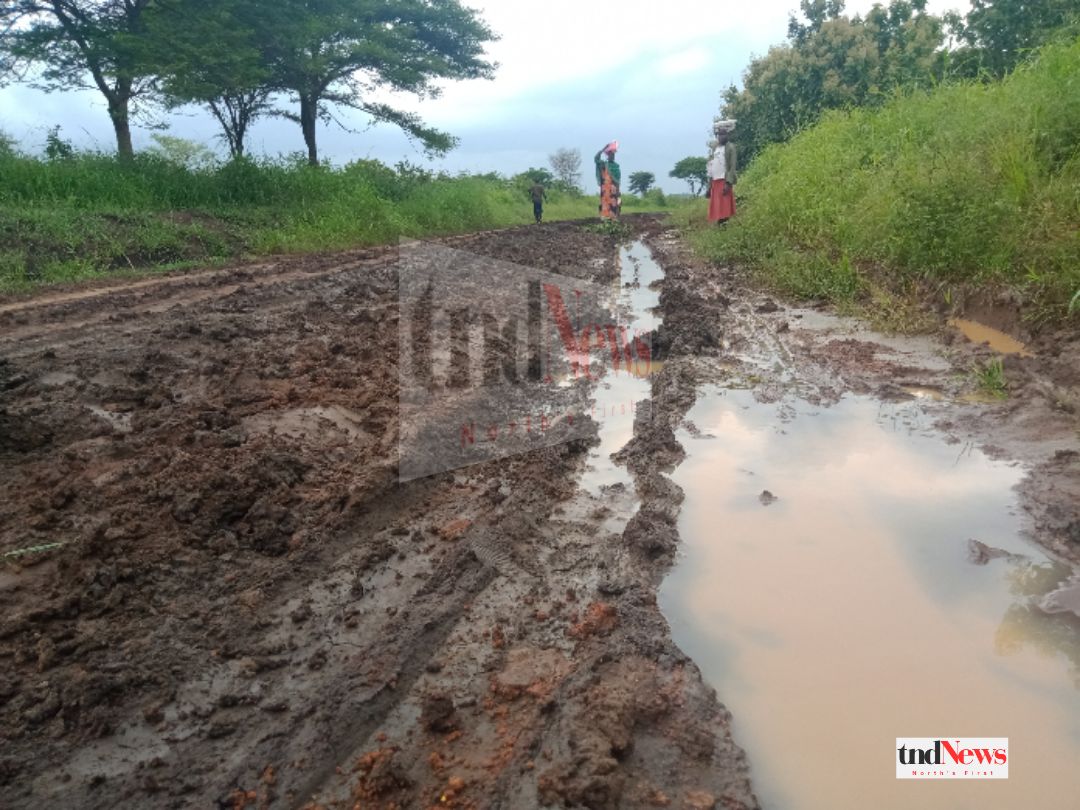
The once-busy route, a vital artery for farmers, traders, and service providers, has been reduced to a rugged stretch marked by deep potholes, seasonal flooding, and overgrown vegetation that squeezes the passage into a narrow trail.
For residents like Adong Mary of Paloga, the situation has driven transport costs to unprecedented levels. She said even boda bodas fear coming to the area during the rainy season forcing farmers to walk long distances or carrying food on our heads.
The poor road conditions have had far-reaching consequences beyond mobility. Gloria Ayaa, a mother of four, recalled a tragic incident where an expectant mother gave birth on the roadside while being carried to Madi Opei Health Centre III.
“It’s heartbreaking during the rainy season every year. We risk lives every time someone needs urgent medical attention,” she said.
Oyet Martin, another farmer from Madi Opei sub-county said as farmers who are the economic backbone of the area, are counting heavy losses.
Oyet said “We grow beans and simsim, but we can’t take them anywhere because no vehicle wants to come here.
Local leaders have made repeated appeals to the district, but with little progress. “This road has been in this state for over five months. It’s affecting trade, service delivery, and even school attendance,” said Patrick Okema of Paloga.
While Lamwo District Works Department recently acknowledged the problem and promised repairs in the next financial year subject to funding, residents fear the delay will deepen poverty and further disconnect the community from regional markets in Kitgum, Lamwo, and even South Sudan.
“We are appealing to both the district and central government to act now,” urged Okema. “If nothing is done, this road will become our biggest barrier to development.”
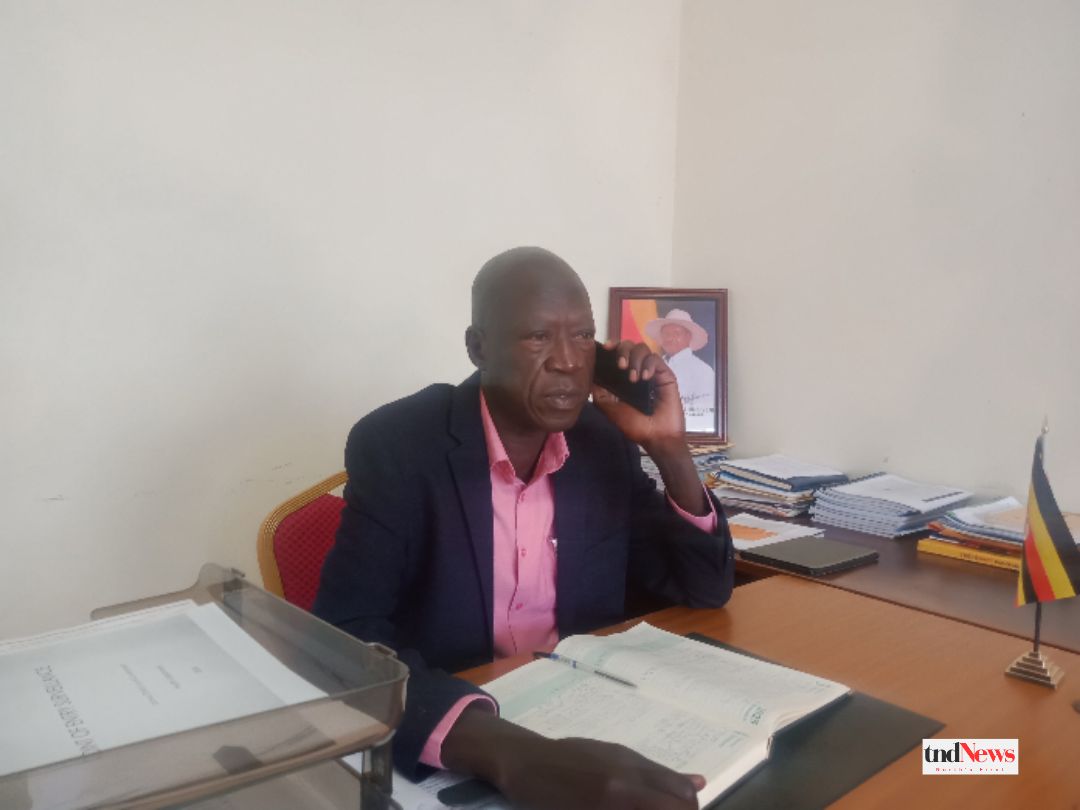
Doris Abalo, the Lamwo district secretary work and technical services said the district has received only one billion shillings and this can not be enough to facilitate all the roads in the district.
She said that roads that were not worked on during the last financial year might be considered in the financial year 2025/2026.
Lamwo district, like much of the Acholi sub-region in northern Uganda, relies heavily on a network of murram (unpaved) roads to connect rural communities to trading centres, health facilities, and schools.
While these roads serve as crucial economic lifelines in the dry season, they become nearly impassable during the rainy months, typically from April to November.
Heavy rains quickly wash away loose murram, leaving behind deep gullies, water-filled potholes, and slippery surfaces. Low-lying sections of roads often flood, cutting off villages for days or even weeks.
Overgrown roadside vegetation rarely trimmed due to limited maintenance budgets further narrows passageways, forcing vehicles and motorcycles to either risk getting stuck or avoid the route entirely.
The challenge is compounded by chronic underfunding of district works departments, which are tasked with maintaining hundreds of kilometres of feeder roads. In many cases, grading and repairs happen only once a year, if at all, and often just before political campaign seasons.
For farming communities, the rainy season coincides with peak harvest times for crops like beans, simsim, maize, and groundnuts. The inability to move produce to market results in post-harvest losses, low farm-gate prices, and a chain reaction of economic setbacks.
Health and education services also suffer, with ambulances, school buses, and teachers struggling to navigate the treacherous routes.
The road crisis is not unique to Lamwo district alone but across the Acholi sub-region, including Kitgum, Pader, and Agago, which face similar challenges every rainy season.
Residents and leaders alike say without urgent, sustained investment in road infrastructure, rural communities will remain trapped in cycles of isolation and poverty.
Discover more from tndNews, Uganda
Subscribe to get the latest posts sent to your email.