The Deposit Protection Fund (DPF) of Uganda is urging all Ugandans to take a more proactive role in understanding and identifying their financial institutions as part of efforts to protect their savings.
According to the Fund, being aware of where and how one’s money is deposited is a critical step toward financial security, especially in the event of a bank failure.
The DPF, a government agency established to insure customer deposits in regulated financial institutions, provides coverage of up to shs10 million per depositor per institution. This protection ensures that in the unlikely event of a bank collapse, depositors can recover their savings up to this insured limit.
Speaking at a recent public sensitization event at Bomah Hotel Gulu, Patrick Onen Ezaga, the Director Communication at PDF noted that many Ugandans remain unaware of which banks are covered under the deposit protection scheme.
Onen said the Fund is therefore encouraging depositors to verify whether their banks are licensed and supervised by the Bank of Uganda, which is a prerequisite for DPF coverage.
“Knowing your bank and understanding how the Deposit Protection Fund works is the first step toward ensuring your money is safe,” said Ezaga. “We are committed to protecting depositors, but the public must also take initiative by staying informed and choosing licensed financial institutions.”
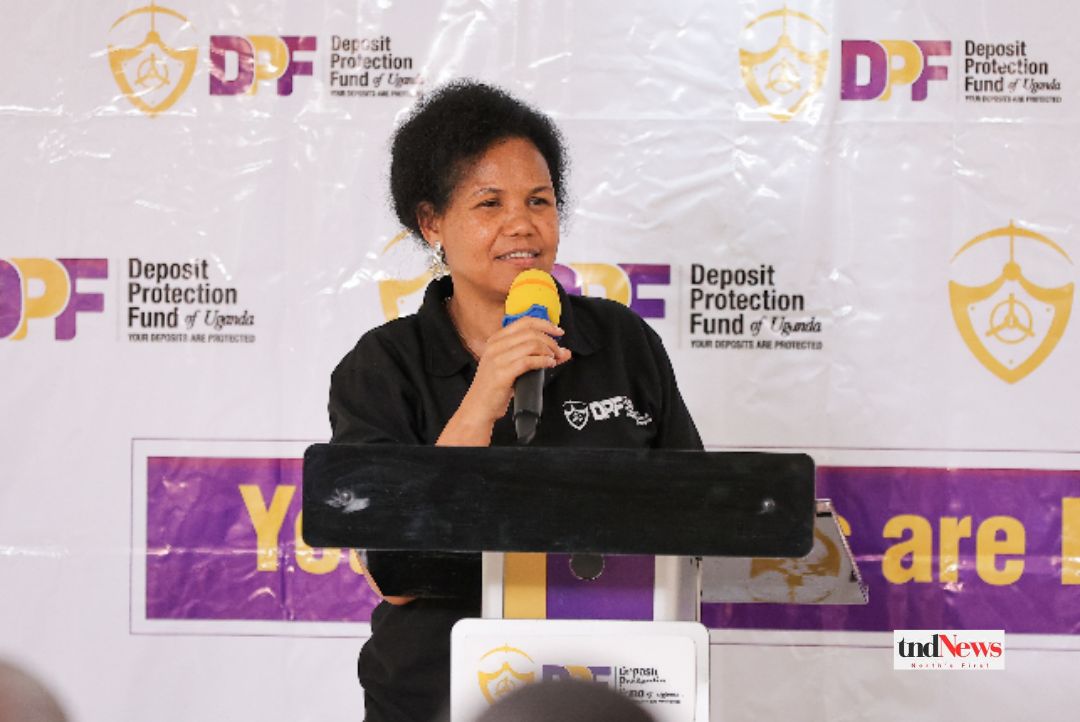
Julia Clare Olima Oyet, the Chief Executive Officer of DPF said the Fund is also stepping up awareness campaigns across the country, using radio, television, and community outreach programs to educate citizens on the importance of banking with insured institutions.
Ugandans are encouraged to visit the official DPF website or consult their banks to confirm coverage status and learn more about how the deposit insurance system works.
Several commercial banks have expressed support for the campaign, noting that an informed customer base ultimately benefits the entire financial ecosystem.
Independent financial analysts agree that public awareness is essential but stress that this is only the beginning.
“It’s not enough to know your bank is insured,” said Brenda Achieng, a Kitgum-based financial educator. “People should also understand how insurance works, what is covered, what isn’t, and how to claim it. This should be part of broader financial literacy.”
She also noted the need for continuous public engagement. “Trust in the banking sector isn’t built overnight. Ongoing education and transparency are critical.”
Depositors share their views
Among ordinary Ugandans, reactions to the campaign have been mixed. Some welcome the information as timely and empowering. “I didn’t know there was such a thing as deposit insurance,” said Jackline Akello, District Education Officer of Gulu District.
“Now I know I need to check if my bank is insured. It’s good information,” she added.
Others, however, remain skeptical. “The government needs to do more,” said Okello Denis, a boda-boda rider in Kitgum. “We hear these things on the radio, but many people don’t trust banks because they don’t understand how they work.”
The DPF continues to emphasize that deposit protection is only one aspect of financial safety. Ugandans are encouraged to maintain good banking practices, such as keeping accurate records, monitoring account activity, and seeking professional advice when needed.
To verify if their bank is covered under the DPF scheme, Ugandans can visit the official DPF website or inquire directly at their bank branches. The DPF also maintains a public registry of insured institutions.
As Uganda’s financial sector grows and diversifies, the Deposit Protection Fund’s message remains clear: Know your bank. Protect your money. Stay informed.
Discover more from tndNews, Uganda
Subscribe to get the latest posts sent to your email.