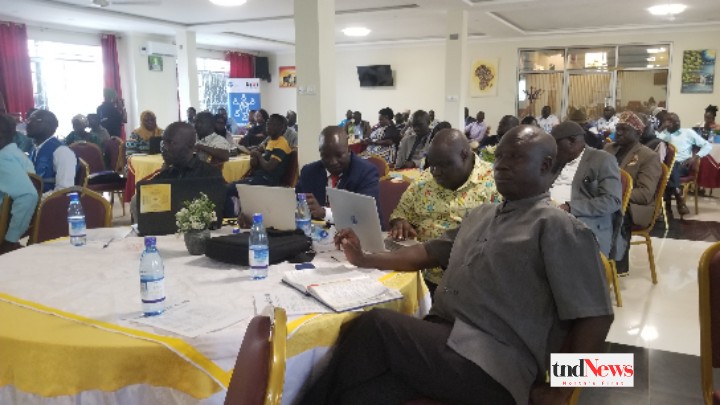
The third regional consultative workshop on the Food and Nutrition Bill was held by the Parliamentary legal team, with support from implementing partners including Action Against Hunger, World Vision (ENOUGH), Cascade, UPA-FNS, CARE, The Lutheran World Federation, and Self Help Africa.
The event took place from March 16 to 19, 2025, at the Aragan Hotel in Adjumani.
The workshop brought together religious, cultural, and district leaders from Adjumani, Gulu, Obongi, Terego, Kumi, Lamwo, Nwoya, Kitgum, Otuke, and Yumbe to discuss the proposed Food and Nutrition Bill.
While Chapter Four of Uganda’s Constitution establishes the Bill of Rights, the right to food is not explicitly stated, necessitating additional legal clarity.
Call for community ownership
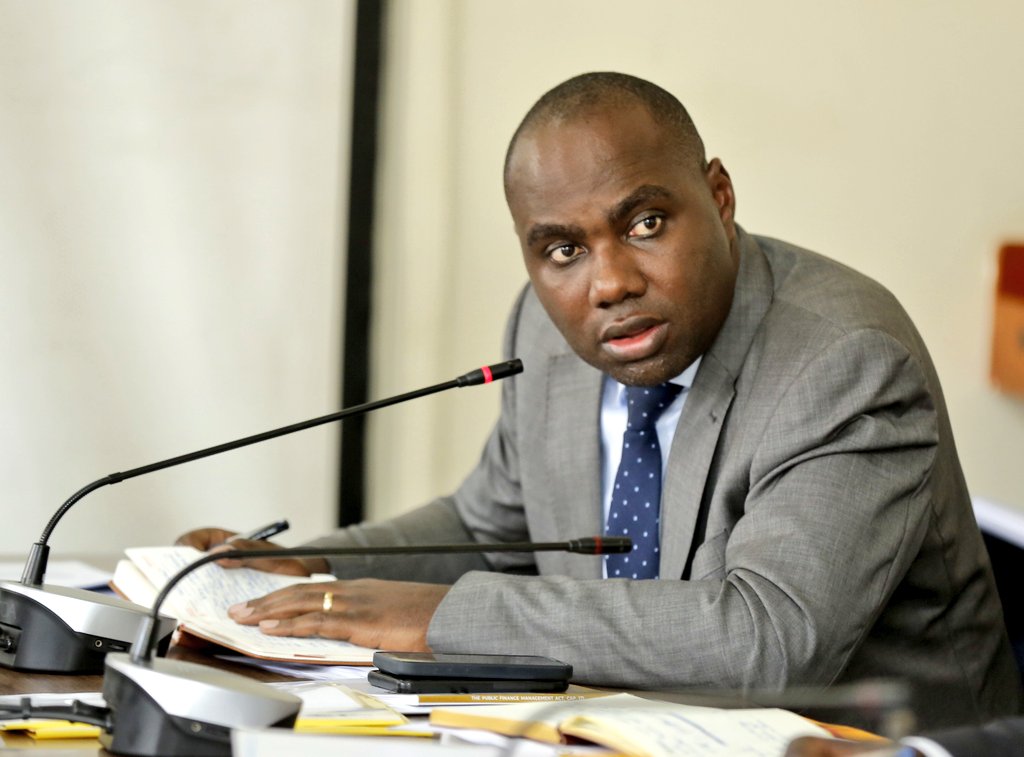
Kizito Elvis, the focal point person for the Uganda Parliamentary Alliance on Food and Nutrition Security, highlighted the workshop’s objectives, emphasizing that the initiative is for the people, not just the government.
He urged participants to take ownership of the Bill to help address malnutrition in their communities.
“The purpose of this workshop is to inform you, the leaders, about the key provisions of the Bill and the importance of addressing malnutrition in our respective districts,” said Elvis.
“This Bill is not just for Parliament or MPs; it is for all of us. That’s why we are engaging with you—to foster a sense of ownership.”
Religious and cultural perspectives on food security
Sudu Swaib Allah Aciga, the district Khadi of Yumbe, referenced the Quran’s teachings on food and nutrition, noting the importance of family planning in ensuring food security.
“The Quran teaches us to consume lawful and nutritious food. This highlights the need for proper family planning. Having too many children without sufficient resources can lead to food insecurity,” he explained.
Opi Suru Simon Baru, the paramount chief of the Madi Chiefdom, stated that Western influences have contributed to Uganda’s declining food production. He encouraged youth to cultivate their own gardens as a means of ensuring food security.
“Our people have become lazy despite having land. In Madi culture, we once had bylaws mandating young people to grow cassava before marriage. I encourage youth from the age of 15 to cultivate their own gardens with crops like millet and cassava,” he stated.
Nutrition challenges and the need for legislative action
Christopher Ernkurikiyinka, a nutritionist with Action Against Hunger, emphasized the importance of the Bill in combating malnutrition, particularly among children under the age of five.
He emphasized that while women play a crucial role in nutrition, many lack land ownership and decision-making power over food choices.
“This Bill is crucial because malnutrition affects young children, yet many mothers, who are the primary caregivers, do not have control over land or food decisions. Additionally, food production is increasing, but most of it is directed to markets rather than household consumption,” Ernkurikiyinka explained.
He further stressed the need for every household to prioritize food security. “As Action Against Hunger, we are committed to working alongside Parliament to ensure this Bill is passed and implemented,” he added.
The need for a stronger food and nutrition policy
Uganda’s Food and Nutrition Policy, established in 2003, aims to ensure food security and adequate nutrition for all citizens to improve their overall well-being and socio-economic development.
However, malnutrition remains a significant challenge, with Uganda recording high rates of undernutrition. Approximately 29% of children under five years suffer from stunting, while 3.5% experience wasting.
The workshop discussions emphasized the importance of enacting the Food and Nutrition Bill to address these pressing issues and strengthen Uganda’s commitment to food security and nutrition for all.
Discover more from tndNews, Uganda
Subscribe to get the latest posts sent to your email.