By Kei Emmanuel Duku
Obongi | Palorinya Refugee Settlement in Obong District, Northern Uganda, is home to approximately 135,676 refugees, the majority of whom are from South Sudan. The influx of refugees has resulted in environmental challenges.
The growing population, combined with ongoing conflict, has put a strain on local land, water, and forest resources.
Climate change makes matters more difficult for the many refugees who depend on small-scale farming and aid. Firewood and charcoal used for cooking and construction are major contributors to deforestation. The continued influx makes addressing the wood fuel crisis difficult.
However, hope emerges from community-led initiatives. Clean cooking stoves, briquettes, apiary projects (beekeeping), reforestation efforts, and sustainable land management practices are all being used to restore degraded areas. These efforts not only benefit the environment, but also provide additional resources to refugees and host communities.
The unity of power towards achieving green future
Amdira Gladys, a 29-year-old University graduate and resident of Itula sub-county, has started making briquettes from locally available materials such as cow dung, maize cobs, and sand. Gladys, inspired by traditional practices and the need for a sustainable fuel source, combines these materials to create a more efficient fuel.
“Growing up, I watched my grandparents use cow dung as firewood. Inspired by their practice, I experimented with mixing it with sand and small stones to create a more efficient fuel source. The stones helped retain heat, while the added paper and starches made it easier to ignite and transport,” said Gladys.
These briquettes made from organic waste burn for more than four hours and save 20-40% on cooking costs. Briquette prices in the district vary according to location, ranging from shs10,000-25,000 in rural areas to shs30,000-45,000 in towns.
Gladys’ innovation has inspired women in both refugee and host communities, with some starting their own briquette production. However, she faces challenges due to the low income of many refugees and residents, resulting in a drop in sales.
“I’m gratified by the positive influence my briquette business has had on women in the community, however still when they lack the cash for buying charcoals and briquettes, they may opt to gather firewood in the forest instead of purchasing briquettes which last longer,” she explained.
The United Nations Climate Change estimates that 0.8 kilograms of briquettes are equivalent to one kilogram of average-quality charcoal. It further noted each briquette used for cooking reduces carbon dioxide emissions by an estimated 4,905 kilograms.

Modong Jeskia, a South Sudanese refugee who fled conflict in 2016, highlights the challenges. Most refugees rely on wood fuel for cooking, construction, and income generation. Limited access to clean cooking stoves, high charcoal prices, and a lack of income alternatives drive deforestation.
Jeskia emphasizes the importance of income generation beyond firewood collection, noting that brewing local alcohol is the major source of income for some of the refugees, but it cannot be done using clean cooking stoves.
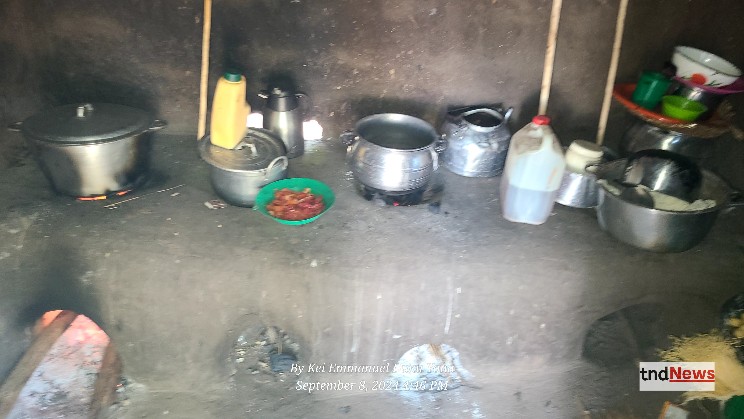
She also highlights the challenges faced with previous clean cooking stove projects, including limited funding, lack of community awareness, and the large refugee population. However, she acknowledges the benefits of stoves like the Rocket Lorena, which reduces firewood use by 50% and improves health by reducing indoor smoke exposure.
“We lack experts who can teach us about alternative clean energy sources like how to use solar or briquette-making for electricity I have not seen it in the camp here or even in the entire district. Only a few families can afford charcoal, which they buy from the local community,” narrated Jeskia.
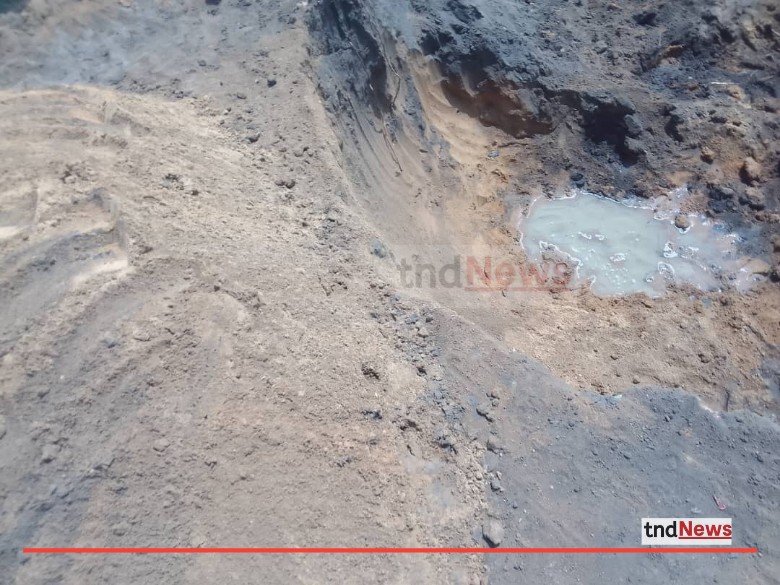
According to data from Global Forest Watch, Obongi district lost 2.5% of its tree cover between 2001 and 2023, with significant carbon emissions something the environmentalists attributed to the increased pressure from the refugees and the host community.
Peter Oyat, Refugee Welfare Committee Chairperson for Zone One, emphasizes the environmental damage caused by the high refugee population. He highlights his training in constructing fire-shielded and Rocket Lorena stoves, both of which use less firewood and are made from local materials.
Oyat acknowledges the challenges faced by refugees in accessing clean energy, including a lack of funding, technology, and capital for solar panels. He notes the failure of a shop selling fire-shielded stoves due to their high cost.
“This stove is highly efficient, consuming minimal firewood. Our women embraced it as a valuable solution to reduce the need for excessive tree cutting. However, we emphasized the importance of careful usage due to the limited number of trees in our settlements.
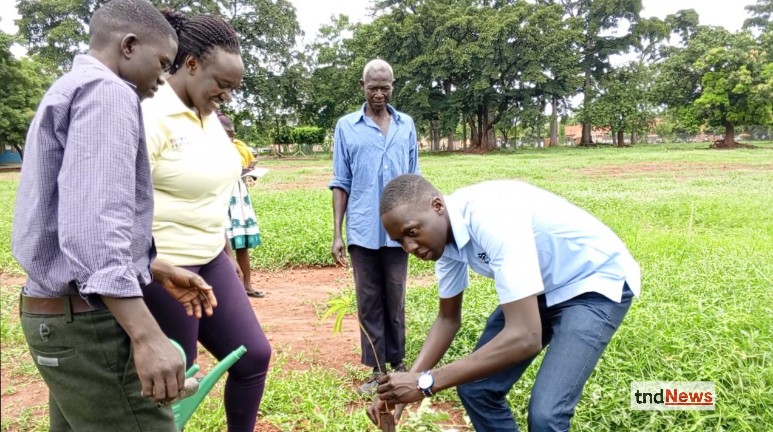
“To ensure sustainability, we encouraged everyone to plant more trees, which offer numerous benefits like wind protection, shade, medicinal herbs, and firewood, and indeed recently the number of trees planted has increased in the area,” said Oyat.
Equally, Wori Daniel, a member of the Refugee Welfare Committee in Palorinya Refugee Settlement, echoes the significant impact of clean cooking stoves on reducing deforestation and conflict in the region.
He further added that the economic costs of traditional cooking methods are significant. Households without clean cooking spend an average of five hours per day collecting fuel and cooking. This time loss affects productivity and can expose women to safety risks during fuel collection.
He recalled that before the introduction of the stoves, women often traveled long distances to gather firewood, leaving their homes and children vulnerable. Many families suffered losses due to fires that occurred in their absence, he recalled.
However, he expressed gratitude to the Lutheran World Federation (LWF) for implementing clean cooking stove programs and tree-planting projects in the camp.
“We used to spend a lot on firewood and charcoal due to the traditional cooking methods,” Daniel explained. “These methods were not efficient in windy conditions and often led to house fires.”

Daniel remains optimistic about the future, emphasizing the success of the Clean Cooking Stove project in reducing deforestation. He appeals for more funding from Non-Governmental Organizations and other government programs to expand training on clean cooking stove construction to families who did not benefit from previous initiatives.
Challenges and way forward towards access of clean energy access in West Nile
A report published by the International Energy Agency estimated that about 2.3 billion people globally, or nearly one-third of the world’s population, continue to rely on open fires or basic stoves for cooking. These practices, prevalent in more than 100 countries, expose individuals to harmful smoke from burning coal, charcoal, firewood, and other fuels.
The reports further state that lack of clean cooking fuels contributes to 3.7 million premature deaths annually, with women and children bearing the brunt of the health risks. Poor indoor air quality is a leading cause of these deaths, leading to respiratory complications and cardiovascular diseases.
In Africa alone, women and children account for 60% of early deaths related to smoke inhalation.
Beyond health hazards, the lack of clean cooking methods hinders women’s empowerment. Limited access to clean solutions prevents many women and girls from pursuing education, employment, and financial independence.
In Uganda, a 2020 assessment by Mercy Corps found that 62% of households in 12 refugee-hosting districts and Kampala rely on firewood, while 36% use charcoal.
In Bidibidi, Adjumani, Palabek, and Palorinya refugee settlements, firewood is the primary cooking fuel for 76-91% of households. Traditional three-stone fires are used by 88-98% of these households, except Bidibidi, where 54% use improved cooking stoves.
The Uganda Energy Policy Review of 2023 aims to promote sustainable biomass energy, increase clean cooking technology use, and expand Liquefied Petroleum and Gas (LPG) access. It also aims to increase the proportion of the population using clean cooking fuels and technologies from 15% to 50% by 2040 however, the impact of these policies on refugees and the general population in Uganda has fallen short as 68% of rural households still rely on firewood for cooking.
The success of clean energy in districts like Obongi and other parts of Uganda is attributed to factors like the adoption of clean cooking technologies and robust government investment.
However, high costs, limited availability of modern solutions, insufficient LPG distribution, and cultural barriers hinder the widespread adoption of clean cooking. Government entities have also been slow in implementing energy policies.
Dr. Didi Bhoka George, Obongi district Member of Parliament, stated on X space ‘show’ organized by Sabir Musa, (a Broadcast Journalist) ahead of West Nile connection to the national grid, that it costs approximately shs15 million to operate a clinic using a generator and shs35 million to establish a Hotel fully powered by a solar system.
According to Dr. Didi Bhoka, the region has been waiting for this connection for over six decades.
The connection aligns with the United Nations Sustainable Development Goal 7, which aims to ensure access to clean and affordable energy. Dr. Bhoka emphasized the importance of this development for agriculture, business, transport, and other sectors.
“We must establish systems to ensure that electricity reaches essential government institutions like health centers and local administrative units in parishes. This will ultimately benefit ordinary citizens and various stakeholders involved in the electricity sector. Additionally, adopting an e-governance approach to managing electricity is crucial,” stated Dr. George.
The World Bank and the Ugandan government financed the Kole-Gulu-Nebbi-Arua 132 Kilovolt Transmission Line and its associated substations for $31.3 million. Dr. Bhoka stressed the need to improve the power evacuation system to ensure reliability and reduce disruptions to the local population.

He also highlighted the importance of creating awareness programs to educate the public about the opportunities associated with the grid connection. Dr. Bhoka further noted that the connection would boost agriculture, fisheries, livestock, and farming sectors through value chain addition projects.
The electricity is expected to benefit more than 10 industrial parks in the region, including Afojio-Moyo Olia-Adjumani, Orbai-Koboko, Greater Nebbi, and Greater Arua Industrial Park in Madi-Okello. Dr. Bhoka called for the development of a West Nile Industrial Development Plan to attract more investors.
However, he also stated that only 5% of the population in the West Nile region currently has access to electricity, which includes 13 local government units with the exception of Obongi district local government.
He attributed this low connectivity to poor housing structures and urged locals to embrace clean energy and improve their housing styles to benefit from the grid connection.
“To effectively utilize electricity in rural areas, we must upgrade our housing designs and construction materials. This will ensure that our homes are suitable for electrification and can support the use of electricity for cooking, lighting, and other domestic purposes.
“To achieve this, we must increase the purchasing power of rural citizens. Otherwise, the availability of electricity may lead to its misuse for activities like hunting or trapping insects, as many rural communities still live in traditional, substandard housing conditions,” he concluded.
According to the Uganda Bureau of Statistics’ most recent population census, which was conducted in May 2024, the West Nile region has an estimated population of 3.89 million, making it Uganda’s third-most populous region after Buganda and Busoga.
The connection to the national grid is expected to have a significant impact on the region’s development and residents’ quality of life.
This story is made possible with funding from Northern Uganda Media Club (NUMEC) with support from the 11th Hour Project.
Discover more from tndNews, Uganda
Subscribe to get the latest posts sent to your email.