By Okello Jesus Ojara & Dramadri Federick
West Nile| Since 2009, community volunteers in Madi Okollo district have developed a conservation mechanism to protect the then-abandoned Ajai Wildlife Reserve after Uganda Wildlife Safaris failed to meet their obligations.
Between 2009 and 2023, community members who have formed groups to promote conservation and community tourism were able to arrest 45 poachers through surveillance and community awareness campaigns aimed at increasing tourism in the wildlife reserve.
Mandu Moses Okondo, chairperson of the community volunteers, stated that they demonstrate the need to protect the reserve because it is the only one in the West Nile Region.

According to Mandu they have a well-coordinated chain of command from all the corners of Ajai wildlife reserve as they patrol and have informers and equally share the information with Uganda Wildlife Authority officials.
“In the whole of West Nile sub region, this is the only Wildlife reserve which is operational here, much as people feel like it is not of use. We felt it should not go into the waste since around 1990’s the people benefited from the reserve through community tourism, local revenue sharing among other benefits.” Mandu Stated
On December 11, 2008, the Arua district local government, in collaboration with the Uganda Wildlife Authority (UWA), signed a memorandum of understanding (MOU) with Uganda Wildlife Safaris, a private developer, to facilitate the sustainable management and utilisation of wild life at the Ajai wildlife reserve through the enhancement of good wild life management practices, ensuring the development of the local community, and improving the livelihood of the people living near the reserve.
According to Mandu, because Uganda Wildlife Safaris failed to conserve animal species in the Game Reserve, they were forced to devise a method of maintaining the reserve’s limited animal population.
Also read: How Ugandan women are helping men fight wildlife crimes
“Since UWA has few staff on ground, they can’t patrol all area, we had to come in since we value our reserve. There are some people who want to profiteer through killing animals, cutting down the trees knowing very well that their actions are against the laws of this country, so what we did was to arrest them and take them to UWA who then take them to court. We arrested a total of 45 people most of these between the age bracket 18 and 48 years who like poaching for meat.
“We have been sensitizing the coming about the relevance of living with wild animals and we have realized the community have gradually changed,” Mandu added
The aforementioned MOU was supposed to run for twenty (20) years until December 10, 2028, but fifteen (15) years later, the Arua district local government and UWA were forced to terminate the MOU due to Uganda Wildlife Safaris’ failure to carry out the activities outlined in the agreement.
As part of the agreement, the memorandum’s performance was to be reviewed every five years, and during the third review on March 32, 2023, there was a call for an immediate termination of the MOU, which went into effect immediately.
Ajai Wildlife Reserve, the only wildlife conservation area, was initially managed by Ajai, the then-Paramount Chief of Madi-Okollo, before the Ugandan government designated it as a wildlife reserve in 1937.
In the 1970s, the reserve was home to a population of 32 northern and southern white rhinos, as well as several other animal species, but many of the white rhinos became extinct due to insecurity during the 1970s and 1980s.
Isaac Mubiru, the operations manager for Uganda Wildlife Safaris noted that they failed to live up to the terms of the MOU, due to challenges in programing and lack of cooperation from other partners in the agreement.
“We chose Ajia Wildlife Reserve because it has a history of Rhinos and for a lot of reasons, they got poached and eventually they were no more. We took it as a potential area because it had ever accommodated wild life with a vision that we should translocate more wildlife. Conservation needs time,” Mubiru reiterated
This prompted the government to rescued the few white Rhino and transfer them to Zziwa Sanctuary in Nakasongola district in 1981. Since then, Ajai wildlife game reserve has been a shadow of its past.
Also read: Floods and elephants: How EACOP project is fueling wildlife conflict, biodiversity loss
For decades now, Ajai wildlife reserve is being managed by Uganda Wildlife Authority under the Murchison Falls Conservation Area. It has been lying idle, as no serious tourism activities have been taking place due to the absence of the white Rhinos rhinos and other animal species.
The local communities see no value in this natural conservation area, and some have begun to demand their land back.
A report on medium-large animal ground counts at Ajai Wildlife Reserve, conducted by the Uganda Wildlife Authority’s monitoring and research unit in May 2010, revealed that the reserve still has a large number of medium-large animals that require protection and conservation.
Ajai was once home to a large population of large mammals, but poaching has drastically reduced their numbers.
Currently, mammals spotted in the reserve include sitatunga, Kob, buffaloes, waterbucks, bushbucks, dik dik duiker, oribi, warthog, bush pig, bohor reedbuck, and hippopotamus.
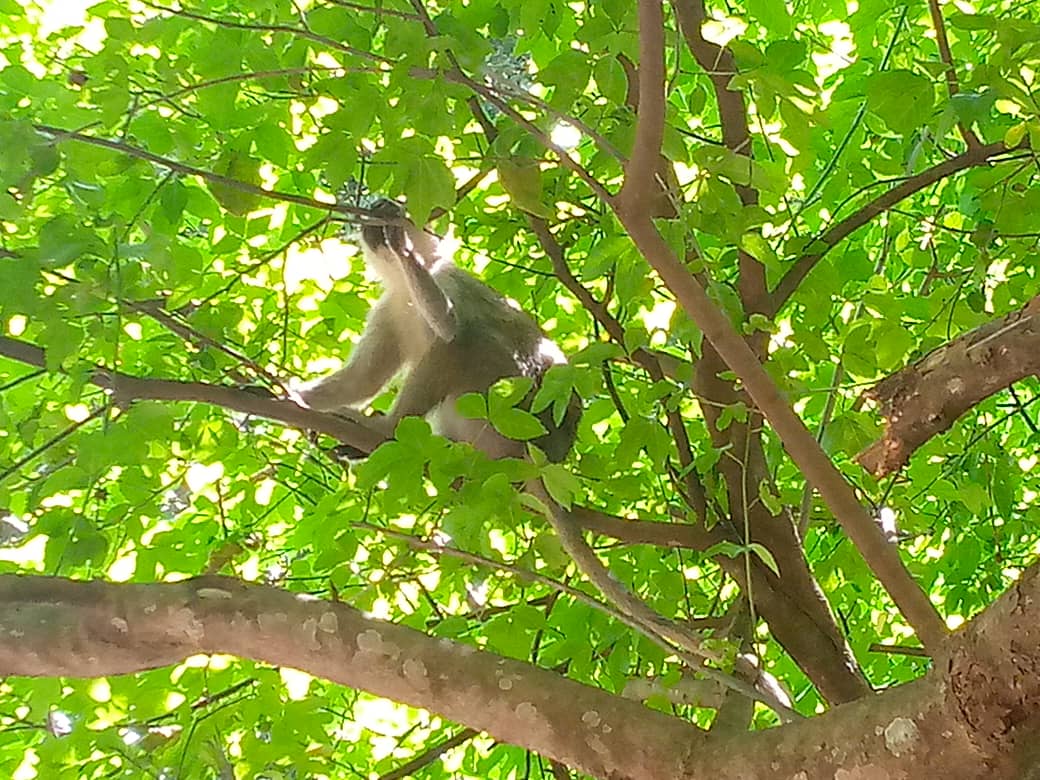
The primates include black and white colobus, vervet monkeys, patas monkeys, and olive baboons, while little is known about the avifauna, with Pel’s fishing owl being a notable species found here. However, the area which is to have about 120 bird species.

Meanwhile, Night Zahara, the district tourism officer, notes that the fewer animal species in the wildlife reserve, as well as the delayed reintroduction of white rhinos, have eroded people’s trust in the facility’s preservation.
Zahara stated that the wildlife reserve has been maintained by community volunteers, and that UWA is currently revamping the activities.
“We acknowledge the tremendous work the community volunteers are doing, at first when they visited the district we thought they would want us to pay for them but they kept their lane and because of what they have been doing, many people have changed their attitudes and it has made our work easier. UWA should now live to their dream of restoring the reserve and bring back the white rhinos.
Similarly, several stakeholders in West Nile region continue to cry to government saying revamping the activities and restoring the game reserve will go a long way in addressing revenue challenges to the local government
However, Andama Richard Ferua, the West Nile tourism ambassador, believes that the restoration of the Ajai wildlife reserve has been long overdue, as it has been the only asset providing international benefits to the region’s people.
According to Ferua, restoring the reserve with the same species will significantly benefit tourism and other related businesses, as well as research.
Fencing off the protected area, construction of accommodation facilities and cultural sites, diversion of the highway road leading from Arua district to Pakwach via Ajai wildlife reserve, and translocation of viable species such as white rhinos are among the key development interventions proposed in the Ajai Wildlife Reserve’s general management plan.

Etuka Isaac Joakino, the Member of Parliament for upper Madi constituency says the delays by UWA to restore the reserve is reducing community trust in the conservation area.
As part of the reintroduction of the white rhinos, the UWA plans to compensate the 11 families and relocate them to new sites outside the demarcated wildlife reserve. Atiku Patrick, the area councilor has appealed to UWA to fast-track the process of compensation of the affected families.
John Makombo the director for conservation in the ministry of wildlife and antiquities says they are taking a stride to ensure the game reserve is restored to revamp tourism activities which have been the major development venture for the region and the country at large.
“We have secured funds to bring 500 animals, most will be the Ugandan Kobs and 50 Buffaloes to prepare the ground for the white rhinos. The community volunteers commonly known as the community conservationists are very important in keeping wildlife reserve relations with the communities.” Makombo stated.
White rhinos are a rare species with an average lifespan of 45 years, although some have lived longer.
An adult white rhino weighs between 1,800 and 2,700 kilogrammes and requires at least 150 kg of food and drink and 60-80 litres of water to survive.
Discover more from tndNews, Uganda
Subscribe to get the latest posts sent to your email.