

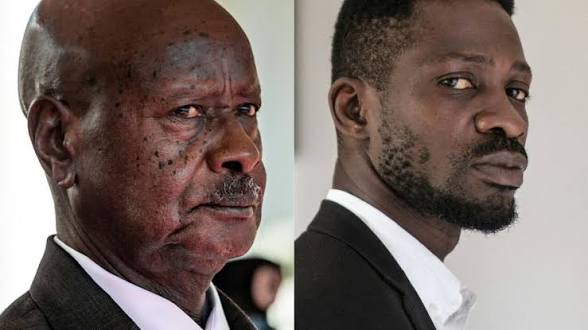
Uganda’s opposition has reportedly boycotted Gen Salim Saleh’s consociational democracy dialogue in Nakaseke, raising fresh questions about efforts to bring opposition groups and government representatives together for discussions about the country’s political future.
According to reports, the boycott is linked to concerns about the neutrality of the venue and whether the planned discussions are following established dialogue protocols. Some opposition actors reportedly believe that the conditions surrounding the meeting do not provide a suitable environment for meaningful engagement.
The development is a setback for the dialogue initiative, which is associated with Gen Saleh and is intended to encourage discussions among different political groups. The absence of opposition representatives could make it difficult to achieve the broad participation needed for such an initiative.
Meanwhile, claims circulating through Ritah Kaggwa Blog suggest that participating political parties could receive substantial financial benefits if they agree with the proposed outcomes of the dialogue. The claims further allege that individual senior party officials could receive Shs500 million or more.

However, the alleged financial arrangements have not been independently verified, and there is no confirmed evidence establishing that political parties or their officials have been promised such payments. The claims remain allegations rather than established facts.
The reports also suggest that President Yoweri Museveni and members of the First Family are concerned about what could happen to the country’s political environment in the event of a sudden leadership change. These claims about their private concerns have not been independently confirmed.
The wider debate surrounding the talks comes amid continued disagreements over political accountability, the future of Uganda’s leadership and how different political groups can participate in shaping the country’s direction.
For now, the reported boycott highlights the difficulties facing efforts to organise an inclusive political dialogue. Whether opposition groups will eventually agree to participate may depend on whether their concerns about neutrality, transparency and the procedures guiding the discussions are addressed.
Discover more from tndNews, Uganda
Subscribe to get the latest posts sent to your email.


