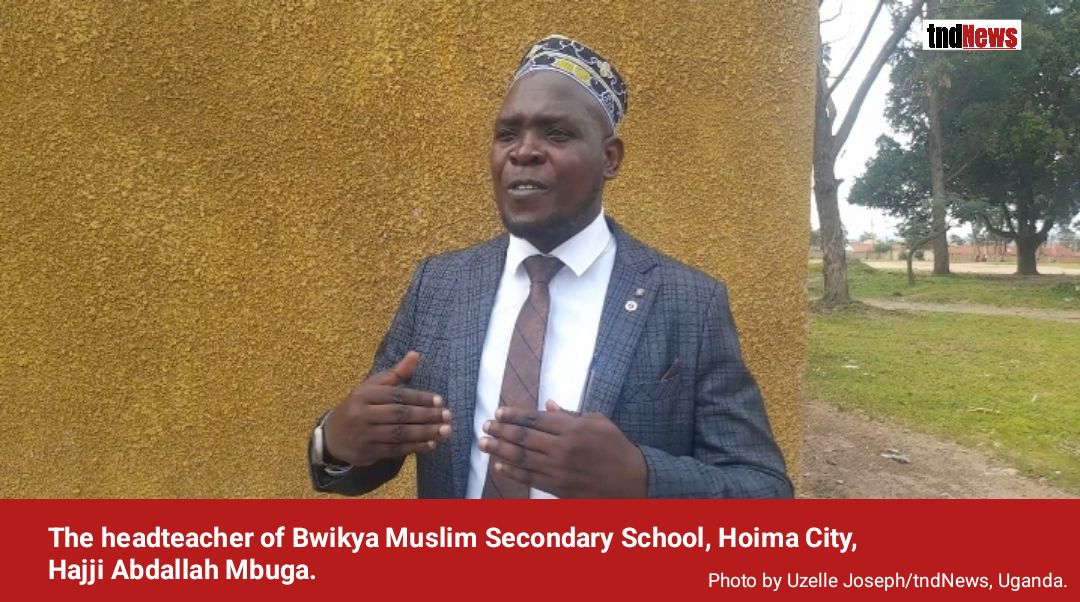
Minister of Local Government Balaam Barugahara’s directive stopping parents from supporting schools “might take us 30 years to move out of the challenging situations we are in as schools,” Hajji Abdallah Mbuga says.
Mbuga is the headteacher of Bwikya Muslim Secondary School, Hoima City, and is among headteachers of government-aided schools in Bunyoro who have expressed concerns about Balaam’s view of PTAs.
While meeting the Parliamentary Committee on Government Assurance last week in Hoima City, different secondary school headteachers revealed challenges they are facing.
The cross-cutting challenges revealed include understaffing, limited wages, lack of learning tools like computers to promote Competence Based Curriculum (CBC), among learners.
Other issues include a lack of qualified teachers to handle the new teaching curriculum for A levels, including Kiswahili, among others.
According to the headteachers, challenges including limited wages and understaffing have been in existence for years.
Some challenges are now peaking as parents withdraw from supporting schools financially, as instructed by Balaam during his nationwide “End Corruption in Local Government” campaign, which has left many civil servants in fear of interdictions.
Mbuga says they currently lack resources to pay some teachers who are not on the government payroll, and yet they were supported by parents.
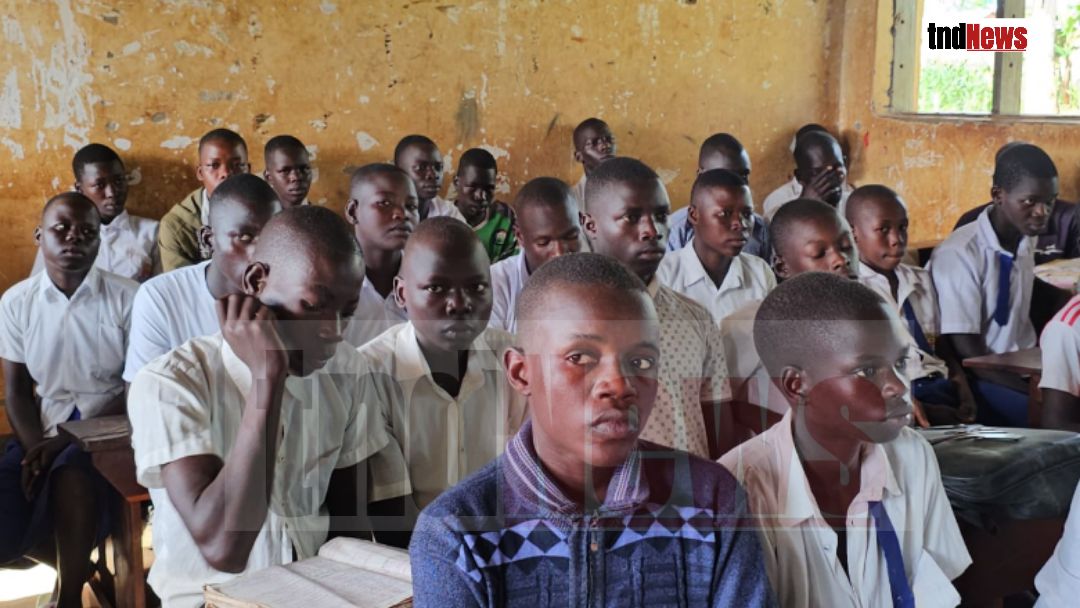
Bwikya Muslim Secondary School is operating with about 40 teachers against 1,269 learners, with 33 teachers paid by the government while more than 7 are paid by parents under a PTA arrangement.
“We received Shs 92 million (capitation grant), and this is not enough to handle the requirements of the school. It’s why we used to have parents financially supporting us,” he added.
“Therefore, we have a lot of issues affecting the education sector, ranging from curriculum that teachers do not understand, salary discrepancies between arts and science teachers, and then Balaam waves of interdicting us, among others.”
Barugahara’s waves of stopping parental financial support to schools, might be an issue which can take us 30 years to move out of the challenging situations as schools, Hajji noted.
“Currently, we have a lot of school developments which are at stand still just because parents withdrew help,” Mbuga noted.
Mansur Nsamba, the headteacher of Buhanika Seed Secondary School, also noted that they lack wages to clear off their teachers. There are 32 teachers with only two on the government payroll.
Before Balaam became a minister, the school had been getting financial support of shs145,000 from parents to, among other things, support teachers who are not on the government payroll.
Schools are also getting increased threats as some people do report school administrators to Balaam, a situation headteachers say affects effective learning.
While addressing the same committee, Sophie Katusabe, the Hoima City Education Officer (HCEO), noted that understaffing remains a bigger challenge cutting across all educational institutions, including five government-aided secondary schools, 33 government-aided primary schools and two tertiary institutions.
In the five secondary schools, they have over 5,000 learners, a number which is bigger than the available number of teachers, Katusabe said.

Speaking on capitation grants, she said that government money is directly sent to designated schools.
Isingoma Edward, Mayor of Hoima City Council, called for heightened support to schools by increasing wages while also bridging staffing gaps.
“Understaffing at some points stands at 31 per cent. We need more staff teachers,” he said.
Katusiime Jovia, Woman MP for Kiryandongo District, but also a member of the committee of government assurance, says they remain concerned about the challenges facing their communities.
She called upon the government to bridge the existing gaps, but also increase teachers’ wages.
Francis Zaake, the chairperson of the committee, said the purpose of the visit was to follow up on about shs46 billion released to schools in 2021 to ensure effective reopening of schools after the pandemic.
In 2021, the Ministry of Education and Sports released part of the capitation grant for all government-aided schools to ready them ahead of reopening in January.
According to Zaake, the shs46 billion was also meant to handle the recruitment of over 3,000 teachers across the lower government-aided secondary schools, a commitment which they realised did not yield fruit in some schools.
He also noted the gaps in retooling teachers to handle the new curriculum, but also inadequate instructional materials for learners, a challenge he said is facing all the schools the committee has visited.
“The government should better come in to help the local entities address some of the solutions, rather than disrupting them from trying to improve systems with little funding from parents,” MP Zaake said.
In a situation where the government cannot fully afford to fund all public schools in the country, there are parents who are willing to do something about it. Schools are lacking a lot of structures, according to Zaake.
“It is high time for us [the committee] to remind the government through parliament of unfulfilled commitments, including the vanished shs46b,” the committee chairperson said.
In Hoima district, the committee visited Buhanika and Kigorobya Seed Schools, St Thomas More SS Kigorobya, while in Hoima City, schools included Duhaga Secondary School, Kitara SS and Bwikya Muslim Secondary School.
From Hoima, the Zaake-led committee proceeded to Kikuube and Kagadi districts.
Discover more from tndNews, Uganda
Subscribe to get the latest posts sent to your email.