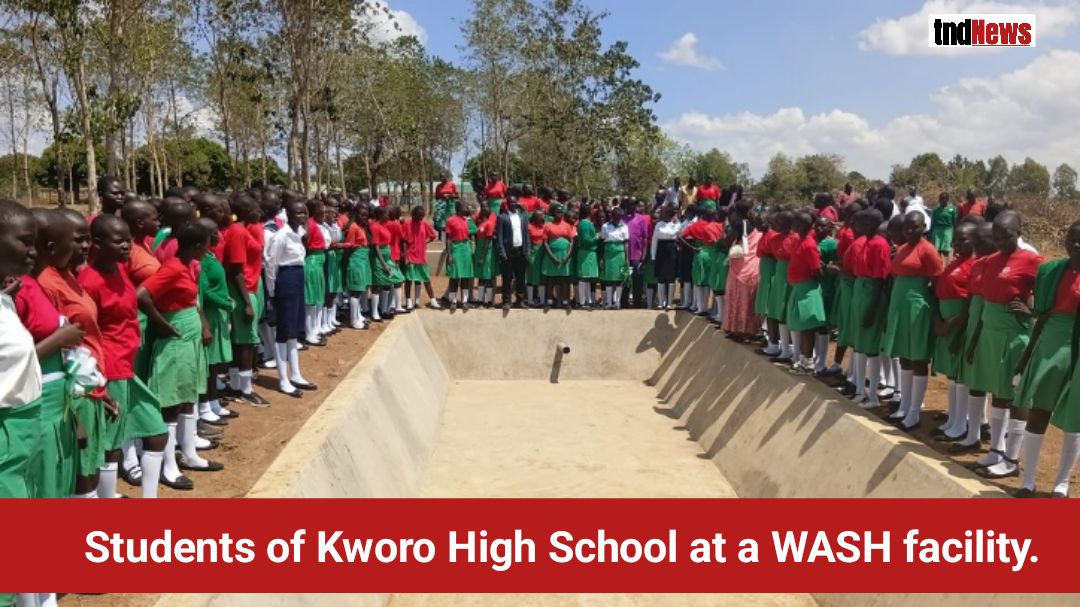
A school in Pader district is set to benefit from an estimated shs800 million water, sanitation and hygiene (WASH) project aimed at improving learners’ welfare, with particular attention to the needs of schoolgirls.
The project, launched by Tekworo Foundation in partnership with Te-Tekworo Federation in Australia, will provide improved water supply, sanitation facilities and waste management systems to support a healthier school environment.
The investment comes as schools face the challenge of providing adequate water and sanitation services for learners, facilities that are essential for personal hygiene, disease prevention and the dignity of pupils, particularly adolescent girls.
Alice Acan, the executive director of Tekworo Foundation, said the project was made possible through collaboration with the Australian partner, whose support she said reflected a shared commitment to the welfare and safety of schoolgirls.
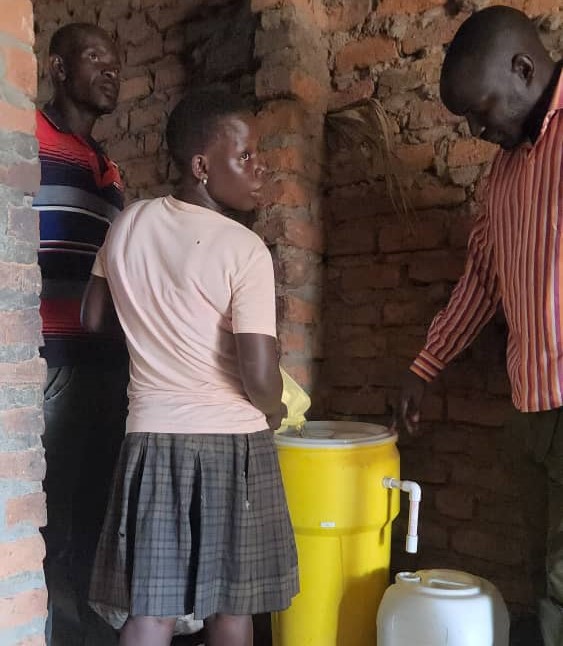
Acan said the school had more than 800 learners and required approximately 40,000 litres of water daily for bathing and other activities, making reliable water access critical to their welfare.
She expressed optimism that the intervention would improve hygiene standards and create a more conducive learning environment.
The project has two major components: improving water access for students’ personal hygiene and domestic use, and strengthening sanitation and solid waste management.
Under the sanitation component, the initiative will provide additional toilet facilities, while the waste management system is expected to support the collection and recycling of solid waste into manure for agricultural use and other productive purposes.
The waste recycling component could also help the school promote environmental awareness among learners by demonstrating how properly managed waste can be converted into useful resources.
Focus on girls’ welfare
For schoolgirls, access to clean water and adequate sanitation is closely linked to dignity, privacy and the ability to participate comfortably in school activities.
Where facilities are inadequate, girls may face additional difficulties managing personal hygiene, particularly during menstruation.
Improved sanitation and reliable water supplies can help schools provide a more supportive environment for adolescent learners.
Acan said the project was intended to improve the welfare of girls and create conditions that support their participation in education.
However, the long-term benefits will depend on whether the facilities are completed to the required standards, maintained properly and supplied with sufficient water throughout the school year.
Education officials’ welcome intervention
Pader District Education Officer Francis Olwoch commended the foundation and its Australian partner for investing in water, sanitation and hygiene services at the school.
Olwoch described the initiative as the first of its kind in the district and pledged support from the district education department for programmes aimed at improving education standards and learners’ welfare.
He said partnerships between development organisations and local authorities were important in addressing infrastructure gaps affecting schools.
Representing the Pader district chairperson, Alfred Akena, councillor Ojok Samule Okwera, who also serves as secretary for social services in Pader District Local Government, thanked Te-Tekworo Foundation in Australia for supporting the district through its partnership with Tekworo Foundation.
Okwera said the initiative demonstrated how cooperation between development partners and local communities could help address essential social service needs, particularly in education and public health.
Sustainability remains key
Beyond the launch, the project’s success will depend on the availability of funds for maintenance, proper management of the water supply and sanitation facilities, and the adoption of effective waste disposal practices.
School authorities and the district education department will have an important role in ensuring that the infrastructure remains functional and that learners understand the importance of maintaining clean surroundings.
The investment is expected to contribute to improved hygiene and a cleaner school environment, while the waste recycling component could support more sustainable environmental practices.
As implementation progresses, the focus will be on translating the investment into lasting improvements in learners’ daily lives, particularly by ensuring that girls have access to safe, clean and dignified sanitation facilities.
For Pader district, the initiative provides an opportunity to demonstrate how investment in school water and sanitation infrastructure can complement efforts to improve education and protect learners’ well-being.
Discover more from tndNews, Uganda
Subscribe to get the latest posts sent to your email.