For farmers who depend on seasonal rainfall, knowing when to plant can be almost as important as knowing what to plant.
But in Kamengo, Mpigi district, farmers say changing, increasingly unpredictable rainfall patterns are making that decision harder, with consequences for harvests, production costs, and household incomes.
Ssekanwagi Lubega Abdallah, who has farmed in the area for about eight years, says rainfall patterns have become less predictable than they were in previous seasons.
He says March and April were traditionally periods when farmers could expect rainfall to support the first planting season. But increasingly, rains can arrive for a short period and then disappear, leaving farmers uncertain about when to plant and whether their crops will receive enough water to mature.
The problem became particularly costly for Abdallah during the first planting season of 2025.
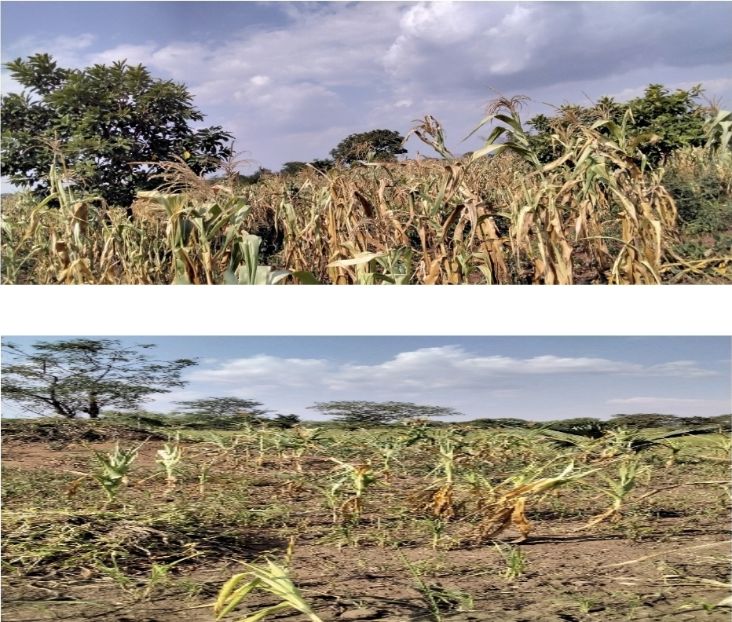
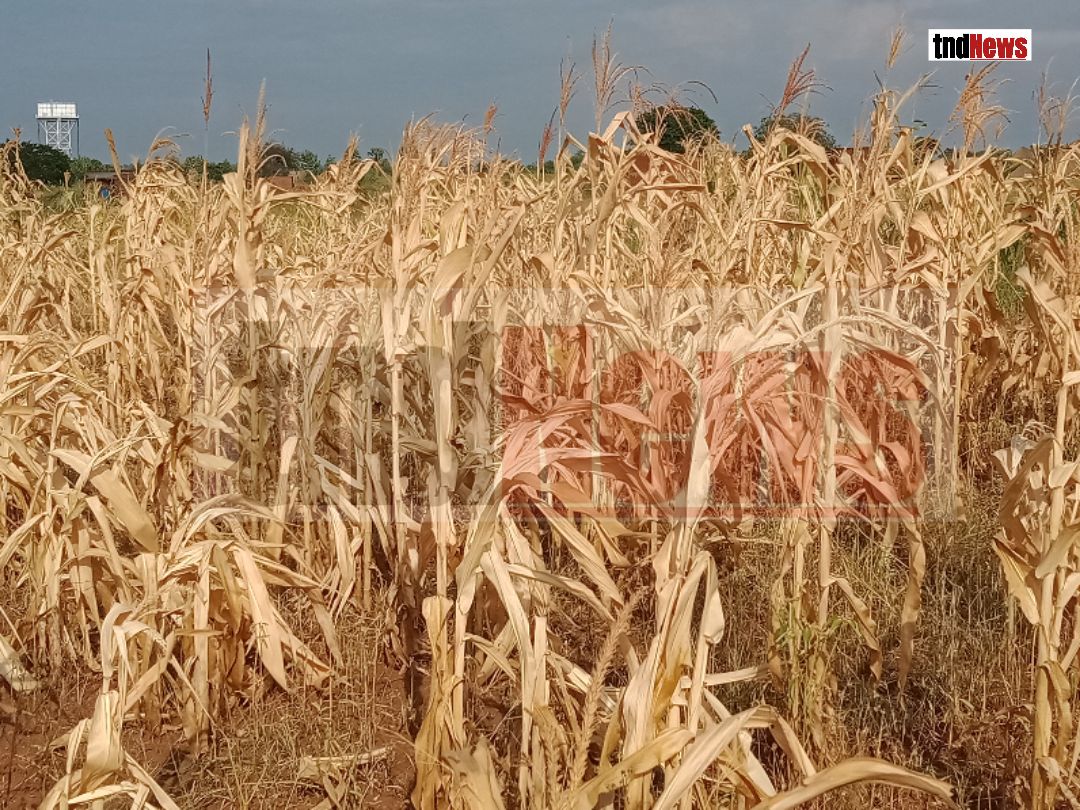
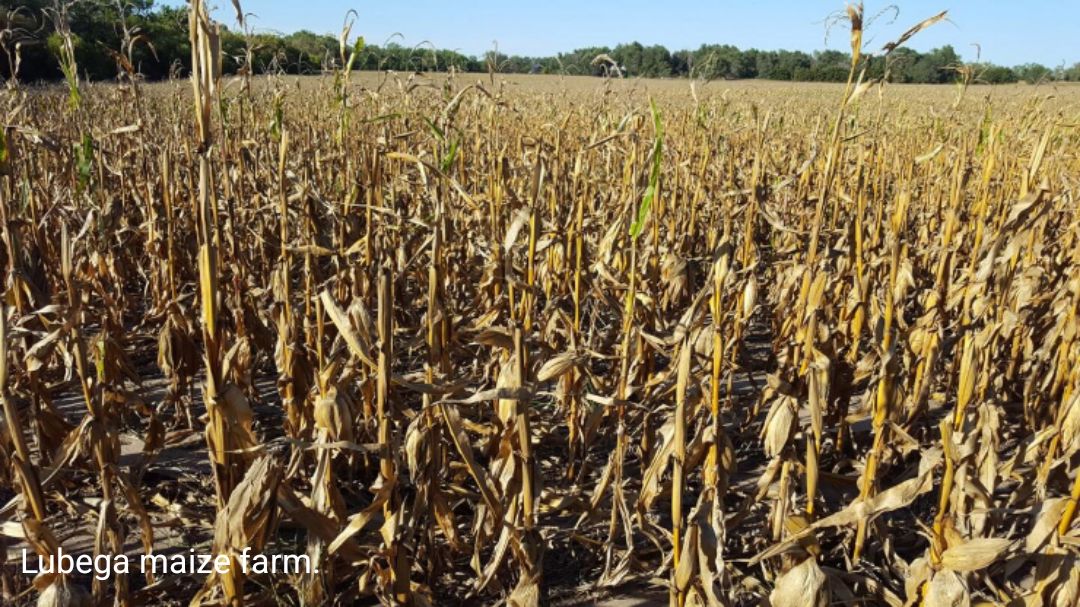
He planted maize on about 20 acres after rainfall began in March, expecting the rains to continue. Instead, he says, the rain lasted for only about three weeks before a prolonged dry spell set in.
Abdallah estimates that he harvested around 25 tonnes of maize from the 20 acres. In previous seasons, he says, he had harvested about three tonnes per acre, which would have amounted to roughly 60 tonnes from the same acreage.

The sharp difference left him with less produce after investing in seed, fertiliser, labour and other costs associated with production.
For Abdallah, the challenge is not simply that rainfall is becoming less dependable. It is the uncertainty surrounding it.
“Farmers have to make decisions before they know what the season will bring,” Abdallah says.
A season farmers can no longer easily predict
Abdallah’s experience is not isolated.
Kayongo Joshua, a maize and bean farmer in Kamengo with 12 years of farming experience, says unreliable rainfall and shifting seasons have also changed the way he plans his farming.
In 2024, Joshua says rainfall began toward the end of February. Based on his experience of previous seasons, he expected the rains to continue for about three months.
Instead, a dry spell followed as March began.
Joshua had planted beans on six acres. He says the crop failed to produce even one tonne.
The experience changed his approach to farming. Rather than depending entirely on rainfall, Joshua invested in a water pump so that he could provide water to his crops when rainfall was insufficient.
For Joshua, irrigation is no longer simply an additional investment. It is a way of reducing the risk created by uncertainty over when the rains will arrive and how long they will last.
The wider climate picture
The experiences of farmers in Kamengo come against a wider climate backdrop.
The World Bank’s Climate Change Knowledge Portal provides historical and projected climate information for Uganda, including data on changes in temperature and precipitation patterns.
The broader climate evidence does not, by itself, establish that climate change caused the individual crop losses reported by Abdallah and Joshua. Their experiences, however, illustrate how rainfall variability can become a practical and financial problem for farmers whose production depends heavily on the timing and duration of seasonal rains.
For farmers, the challenge is not only the amount of rainfall received, but also its timing and reliability. A short period of rain followed by a dry spell can leave crops vulnerable, particularly where farmers do not have access to irrigation.
Farmers adapt but at a cost
With rainfall becoming less dependable, farmers are looking for ways to reduce their exposure to weather-related risks.
Joshua’s decision to buy a water pump is one example. Irrigation gives farmers greater control over water availability, but it also introduces additional costs, including the purchase and maintenance of equipment and the cost of accessing and delivering water to crops.
For farmers already operating with limited capital, these additional expenses can be difficult to absorb.
Abdallah says farmers also face high costs for seed, fertiliser and labour while trying to protect their production from weather-related risks. When yields fall, recovering the money invested in a crop becomes more difficult.
The result is a difficult balance: farmers need to invest more to protect their crops, but poor harvests can leave them with less money to make those investments in the following season.
The cost of uncertainty
The financial pressure does not end when the rains disappear. Farmers have already invested money in seed, fertiliser, labour and other inputs before knowing whether the season will provide enough rainfall for their crops to mature.
When production falls, those investments become harder to recover.
For farmers such as Abdallah, lower harvests mean less produce available for sale and less income from the same land.
At the same time, farmers who want to protect their crops through irrigation must find additional money for equipment, water and maintenance.
This creates a difficult cycle. Farmers need to invest more to reduce the risks posed by unreliable rainfall, yet poor harvests can leave them with fewer resources to make those investments in the following season.
The impact beyond the farm
The effects of poor harvests can extend beyond individual farmers.
When agricultural production declines, farming households have less produce to sell and may have less income available for household expenses. In communities where farming provides seasonal employment, reduced farm activity can also affect workers who depend on agricultural labour.
For Abdallah and Joshua, changing rainfall patterns have therefore become more than a question of weather. They have become a question of how to plan, invest and remain productive when one of the most important inputs to farming is increasingly difficult to predict.
What farmers need
The experiences of the two farmers point to the importance of helping small-scale farmers manage greater uncertainty.
Reliable and accessible weather and climate information can help farmers make better decisions about when to plant.
Affordable irrigation and water-management technologies can provide alternatives when rainfall is insufficient, while access to quality agricultural inputs can help farmers protect their investment.
But adaptation requires resources.
For farmers in Kamengo, investing in a water pump may reduce dependence on rainfall, but not every farmer has the money to make that investment. The ability to adapt therefore depends not only on farmers’ willingness to change, but also on whether practical and affordable options are available to them.
As Uganda’s climate continues to change, helping farmers manage rainfall uncertainty will be increasingly important for protecting agricultural livelihoods and maintaining food production.
When the rains become uncertain
The farmers’ experiences in Kamengo show how a change in the timing and reliability of rainfall can translate into decisions with real financial consequences.
Abdallah is trying to understand how to plan his crops when rainfall no longer behaves as predictably as he remembers. Joshua has responded by investing in irrigation after losing much of his bean crop.
Neither farmer can control when the rains arrive.
But both are learning that they may have to change how they farm if they are to remain productive in an increasingly uncertain climate.
For farmers in Kamengo, the question is no longer simply whether the rains will come.
It is when they will come, how long they will stay, and whether the crops will have enough water to make it to harvest.
By Reagan Walugembe | Kamengo, Mpigi
Interested in supporting our journalism and work? We would love to hear from you or DONATE HERE.
Discover more from tndNews, Uganda
Subscribe to get the latest posts sent to your email.