For years, farmers in Agago, Lamwo and Pader districts have watched truckloads of cassava, simsim, groundnuts and beans struggle through impassable roads, forcing many to sell their produce at low prices or watch it spoil before reaching markets.
Expectant mothers have travelled for hours on rough roads to reach health facilities, while children have walked long distances through muddy paths to attend school.
That reality could soon change following the launch of the €32.1 million Rural Development and Food Security Project (RUDSEC), a major government infrastructure programme aimed at improving rural connectivity, boosting agricultural production and strengthening food security across Northern Uganda.
The project, funded through cooperation between the Government of Uganda and the German Development Bank (KfW), will rehabilitate three key roads: the Kalongo–Lomoi Road in Agago district, the 21.6-kilometre Corner Ogwec–Tenten Road in Lamwo district, valued at shs1,435,360,500, and the Puranga–Ogonyo Acholi Stream Road in Pader district.
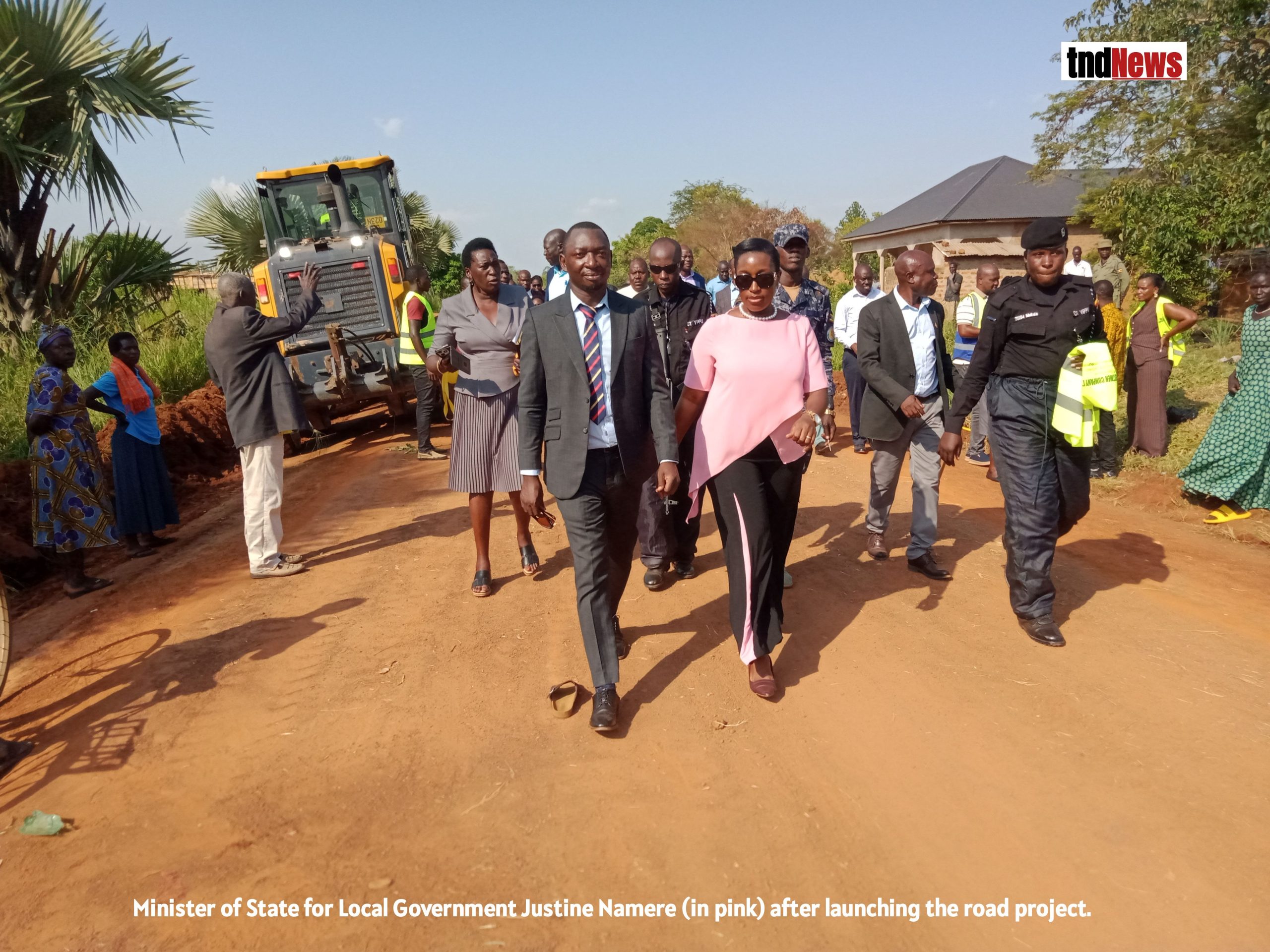
Launching the project in Puranga town council on Thursday, State Minister for Local Government Justine Namere said the investment demonstrates the government’s commitment to improving rural livelihoods by ensuring farmers can access markets, reduce post-harvest losses and benefit from national development programmes.
She cautioned contractors against delivering substandard work, saying the government expects roads built to last and provide value for public investment.
“We are paying for quality roads that should serve our communities for many years. We do not want to see roads destroyed shortly after construction because of poor workmanship. Contractors must deliver according to the required standards,” Namere said.
The minister said the government has strengthened accountability measures and warned that contractors who fail to fulfil contractual obligations risk contract termination, financial penalties and prosecution.
Representing the Ministry of Local Government’s Project Coordination Unit, Eng. Emmanuel Mwebaneze, speaking on behalf of Project Coordinator Eng. Paul Mukasa Kasule, said the project is intended to improve access to agricultural markets, reduce transport costs and stimulate rural economic growth.
He noted that improved road infrastructure will enhance service delivery, facilitate movement of goods and people, and support the government’s efforts to improve food security across the region.
Representing the project’s development partner, KfW Development Bank, Eng. Dr. Milton Edimu, Senior Portfolio Coordinator, described the investment as more than road construction.
He said reliable roads are essential for rural development because they connect farmers to markets, improve access to schools and health facilities, and create opportunities for local businesses to grow.
Lamwo district vhairperson Oyet Sisto Ocen welcomed the project, saying poor road networks have for years slowed economic growth despite the district’s enormous agricultural potential.
“Our farmers produce enough food, but transporting it to markets has remained a challenge. This road will reduce transport costs, increase household incomes and improve the lives of our people,” Ocen said.
Pader district chairperson Alfred Akena described the project as a timely intervention that will strengthen trade between neighbouring districts and improve access to essential social services.
“Road infrastructure is the backbone of development. Better roads will stimulate trade, attract investment and improve service delivery across Northern Uganda,” Akena said.
Pader District Woman Member of Parliament CD Lowila urged communities to protect the infrastructure and work closely with contractors to ensure successful implementation.
She encouraged residents to prepare for the economic opportunities that improved road connectivity will create, particularly in agriculture and small businesses.
Aruu County Member of Parliament Christopher Komakech said the project would unlock the economic potential of rural communities by reducing transport bottlenecks that have hindered farmers for years.
Meanwhile, Lamwo Resident District Commissioner William Komakech pledged strict government supervision throughout implementation to ensure contractors meet agreed standards.
“We shall closely monitor this project because the people deserve quality infrastructure. Every public investment must deliver lasting value to our communities,” he said.
The minister also directed Resident District Commissioners and Assistant Resident District Commissioners in the three districts to conduct regular site inspections and submit weekly progress reports to strengthen accountability during implementation.
For many residents, however, the significance of the project extends far beyond new roads.
It represents the possibility of farmers earning better prices for their produce, children reaching school safely, patients accessing healthcare without unnecessary delays and businesses expanding because transport has become easier.
If successfully implemented, the Rural Development and Food Security Project could become one of the most significant rural infrastructure investments in Northern Uganda, linking thousands of households to new economic opportunities while improving livelihoods for generations to come.
Discover more from tndNews, Uganda
Subscribe to get the latest posts sent to your email.