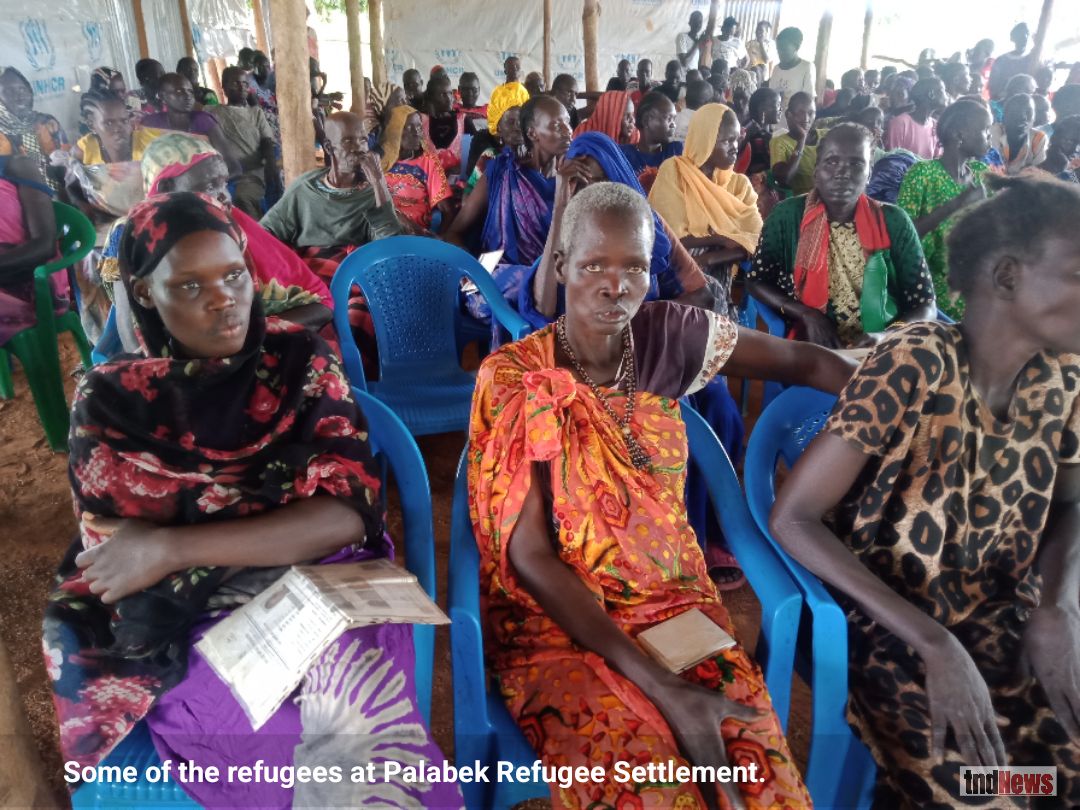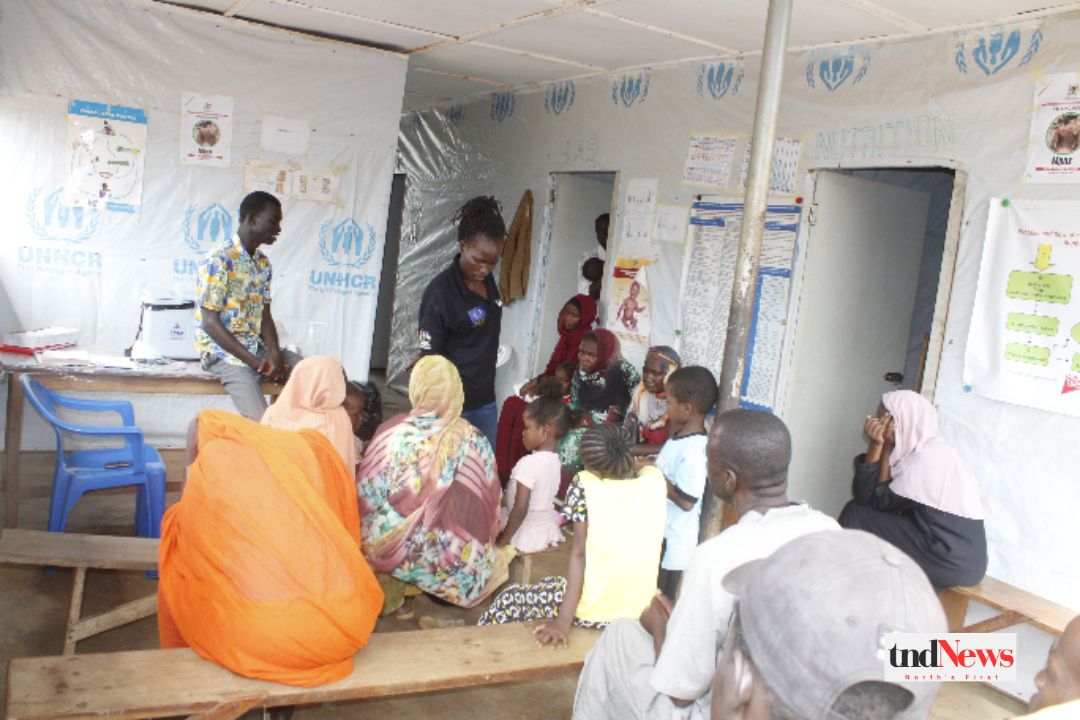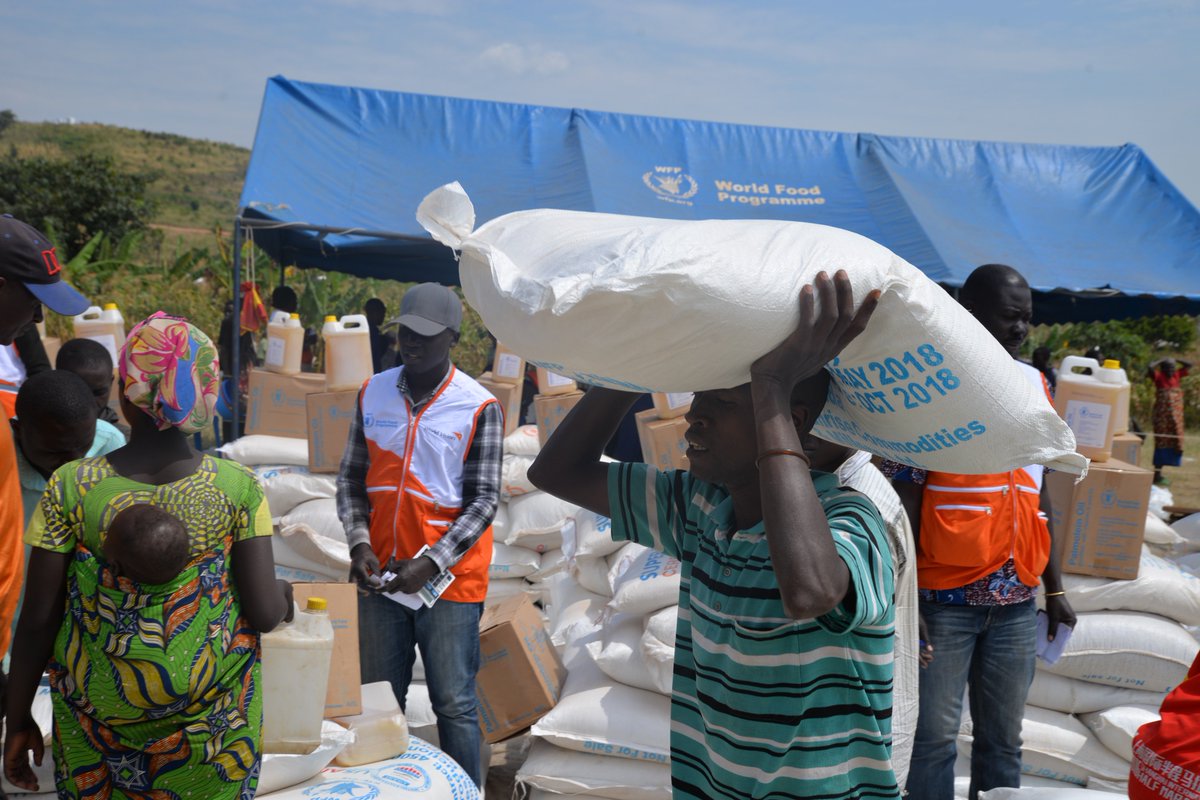
According to Lamwo authorities, approximately 10,000 refugees living in the district are among those requiring urgent food assistance as shrinking harvests reduce the capacity of host communities to share available food resources.
Lamwo hosts one of Uganda’s largest refugee populations through the Palabek Refugee Settlement, where many families depend on humanitarian support alongside assistance from host communities.
Chief Administrative Officer Moses Chuna Kapolon said the district had formally notified the Office of the Prime Minister and appealed for immediate emergency food relief to prevent the situation from deteriorating further.
“The prolonged drought has left thousands of families without food after crops failed across the district. We have officially notified the Office of the Prime Minister and appealed for emergency food assistance to save lives, particularly among vulnerable households, including children, older persons and people with disabilities,” Kapolon said.
CAO Chuna told tndNews, Uganda, that the district authorities continue to assess the situation while coordinating with government ministries and humanitarian agencies to mobilise support.
Lamwo district chairperson Oyet Sisto Ocen described the situation as a humanitarian emergency requiring immediate national attention.
“This is no longer simply a poor harvest. Families have exhausted their food reserves, and many have nothing left to eat. We urgently need emergency food relief, but we must also invest in irrigation, water harvesting and climate-smart agriculture so that our communities become more resilient to future droughts,” Oyet said.
He noted that recurring dry spells have become increasingly common, underscoring the need for long-term adaptation strategies rather than relying solely on emergency interventions.
Resident District Commissioner William Komakech called for a coordinated response involving government agencies, humanitarian organisations and development partners.
“The district leadership is working together to ensure that once support is received, it reaches those most in need. We continue engaging the relevant government authorities and humanitarian partners while encouraging communities to remain calm during this difficult period,” Komakech said.
LC3 chairperson for Katum sub-county, Ocen Edward, said many households had harvested little or nothing during the first harvesting season.
“Many families harvested almost nothing because crops dried before maturity. People are now surviving on wild fruits and borrowing food from relatives and neighbours. Government intervention is urgently needed before the situation becomes worse,” Ocen said.
He warned that prolonged food shortages could lead to increased school dropouts, malnutrition, and poverty if immediate assistance is not provided.
Residents interviewed by this publication described growing hardship as food supplies continue to diminish.
Lajara Nancy, a mother of six from Lokung sub-county, said hunger had become part of daily life. “Our gardens dried before the crops matured. We now eat only one meal a day, and there are days when the children go to bed hungry because there is simply no food,” she said.
She appealed for emergency food assistance, saying many families no longer have seed to replant when the rains return.
In Palabek Gem town council, Thomas Opira said women and children were bearing the greatest burden of the food shortage.
“As mothers, we are struggling to provide food for our families every day. We appeal to the government and humanitarian organisations to support us before the situation becomes even more difficult,” he said.
He added that some households have begun reducing meal sizes and skipping meals altogether in an effort to stretch the little food that remains.
Agriculture remains the primary source of livelihood for the majority of households in Lamwo district, making communities highly vulnerable to prolonged dry spells and unpredictable weather patterns.
District leaders say while emergency food assistance is urgently needed, sustainable investments in irrigation infrastructure, water harvesting systems, drought-resistant crop varieties, climate-smart farming practices and early warning systems will be essential to reducing future vulnerability.
They argue that strengthening agricultural resilience will not only improve food security but also protect household incomes and reduce dependence on emergency relief during periods of climate stress.
Lamwo district, located in Uganda’s Acholi sub-region, relies predominantly on rain-fed agriculture, with households cultivating crops such as maize, beans, sorghum, cassava, groundnuts and simsim.
In recent years, changing weather patterns characterised by prolonged dry spells and erratic rainfall have increasingly disrupted agricultural production across northern Uganda.
A home to the Palabek Refugee Settlement, which hosts thousands of refugees from South Sudan, Lamwo is facing a combination of climate shocks, growing populations and dependence on subsistence farming.
The above dependence has heightened pressure on food systems, making investments in climate adaptation and sustainable agriculture increasingly critical to safeguarding livelihoods and strengthening food security.
Discover more from tndNews, Uganda
Subscribe to get the latest posts sent to your email.