Lamwo | As the World Food Programme (WFP) continues to reduce food rations for refugees in Uganda due to funding shortages, refugee leaders in Lamwo district have made a heartfelt appeal to the host communities to offer land for cultivation to supplement the limited food aid.
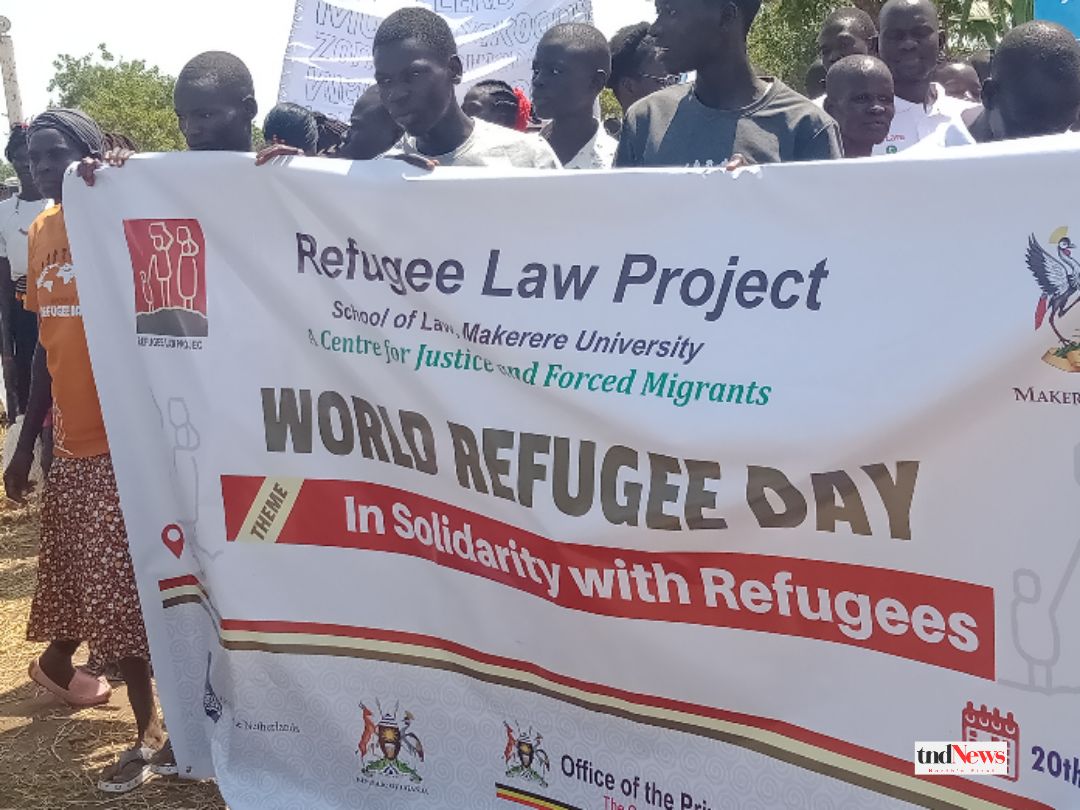
The call was made by members of Refugee Welfare Council III during the World Refugee Day celebrations held on Thursday, June 26, 2025, at Bright Future Primary School in Zone 8, Palabek Refugee Settlement.
This year’s commemoration was held under the global theme “In Solidarity with Refugees.”
Speaking at the event, John Pasquale Udo, the council chairperson emphasized the growing challenges refugees face due to the continuous reduction in food assistance by WFP, and the need for alternative means of survival through agriculture.
“We are no longer receiving enough food. The little we get is not sufficient to feed our families. We therefore appeal to our Ugandan hosts to kindly allow us access to land for farming. This will not only help us supplement the little food rations but also promote peaceful coexistence,” said Udo.
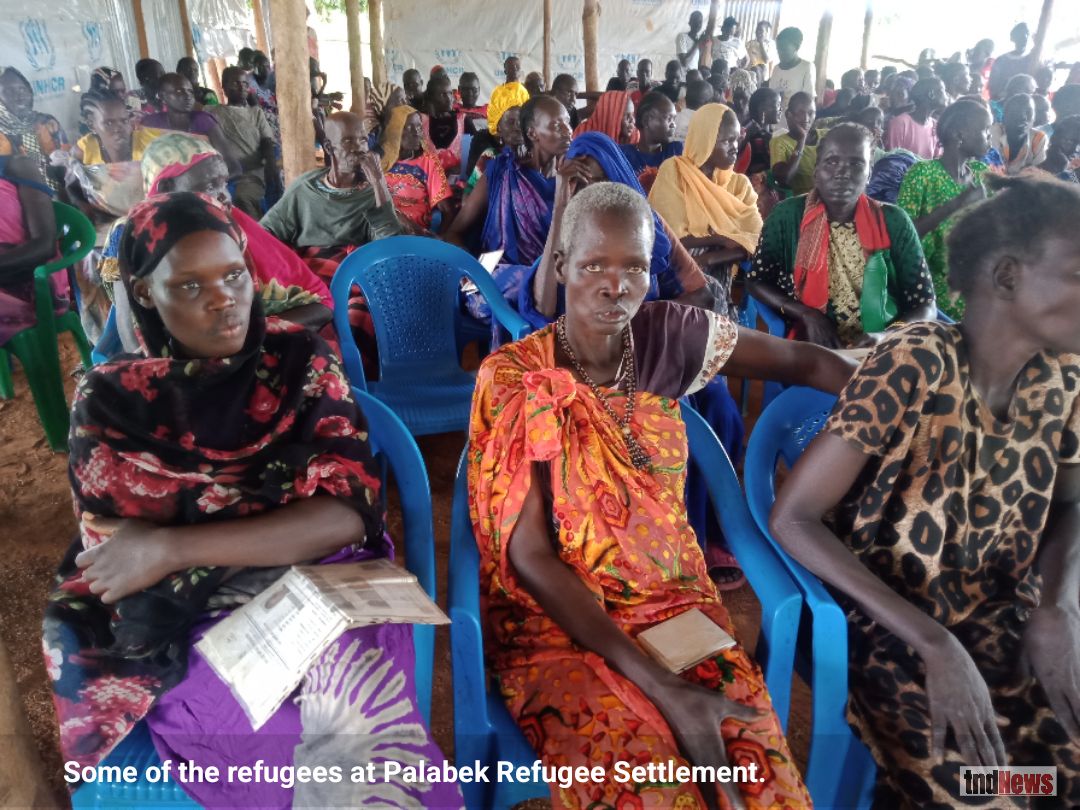
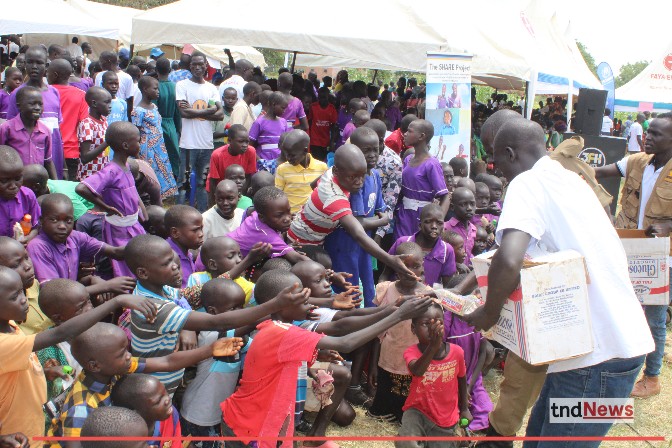
The event brought together thousands of refugees, host community members, government officials, and representatives from humanitarian agencies operating in Palabek. It featured cultural performances, speeches, and messages of resilience and hope.
The Lamwo District Refugee Desk Officer acknowledged the concerns raised and praised the host communities for their long standing generosity. He called on stakeholders to support initiatives that enable refugees to become more self-reliant.
“The burden is heavy, but it is shared. We are working closely with both the Office of the Prime Minister and partners to explore sustainable solutions such as agricultural programs and skills training,” he noted.
World Refugee Day is observed globally on June 20 but was commemorated in Palabek on June 26 to ensure broader community participation. The day honors the strength and courage of people who have been forced to flee their home countries due to conflict, persecution, or natural disasters.
Palabek Refugee Settlement, home to over 93,000 refugees mainly from South Sudan has been at the forefront of Uganda’s inclusive refugee policy, which promotes integration and peaceful coexistence between refugees and host communities.
With continued global economic challenges affecting humanitarian funding, appeals like the one from Palabek’s refugees underscore the urgent need for localized support and sustainable solutions to food insecurity.
District and national leaders, however, emphasized the need for lawful and coordinated procedures when acquiring land, urging both refugees and hosts to avoid informal arrangements that could lead to disputes.
Mugabe Geoffrey, commissioner for refugees in the Office of the Prime Minister, who was chief guest at the event, acknowledged the strain caused by the reduced food rations and reaffirmed government support toward finding sustainable solutions. He advised that any land acquisition for refugee use must be guided by Uganda’s refugee policies and involve proper documentation.
“We are aware of the challenges, and we stand with the refugee community. However, all land transactions must be legal. Refugees cannot own land, but they can access it temporarily through lawful agreements with the host community. These must be formalized through the district land boards and local government structures,” Mugabe explained.
Lamwo district deputy Resident District Commissioner, Sabastian Oswin Oguti, also welcomed the refugee appeal but reminded both parties that land is a sensitive issue and must be handled transparently to maintain peaceful coexistence.
He added that his office is working closely with development partners to roll out more livelihood programs, including agricultural support and climate-smart farming initiatives to improve food security in settlements.
“We encourage our people to be generous, yes, but we must also ensure that all land offered is done so willingly and with clear documentation to protect both parties. We are ready to facilitate this through the area land committees,” Oguti said.
He urged refugee leaders to liaise with local authorities such as LC1s, Parish Chiefs, and the District Land Office for any land-related negotiations, adding that unauthorized occupation or handshake deals can later trigger conflicts.
Palabek sub-county LC3 chairperson, Omal Christopher, also reassured the public that his office remains committed to ensuring that any land access by refugees is done in a coordinated and respectful manner.
Iris Blom, head of service officer UNHCR in charge of Ajumani, Lamwo, Kiryandongo and Moyo refugee settlements, urged humanitarian partners to scale up support in food production technologies such as irrigation, improved seeds, and tools.
A day of solidarity and reflection
The celebration brought together thousands of refugees, members of host communities, humanitarian agencies, and local officials. It featured cultural showcases, testimonies from refugee youth, and solidarity messages from partners.
Palabek Refugee Settlement is currently home to over 93,000 refugees, mostly from neighboring South Sudan. Uganda’s refugee policy, hailed as one of the most progressive globally, allows refugees to move freely, work, and access public services, but still requires structured collaboration with host communities to avoid friction, especially regarding land use.
As global humanitarian funding declines, calls such as those from Palabek spotlight the growing pressure on host nations and communities to find local, durable solutions to long-term displacement.