Amolatar district local government will this week have a two-day capacity-building training for newly elected local leaders.
The training aims to improve service delivery across the district.
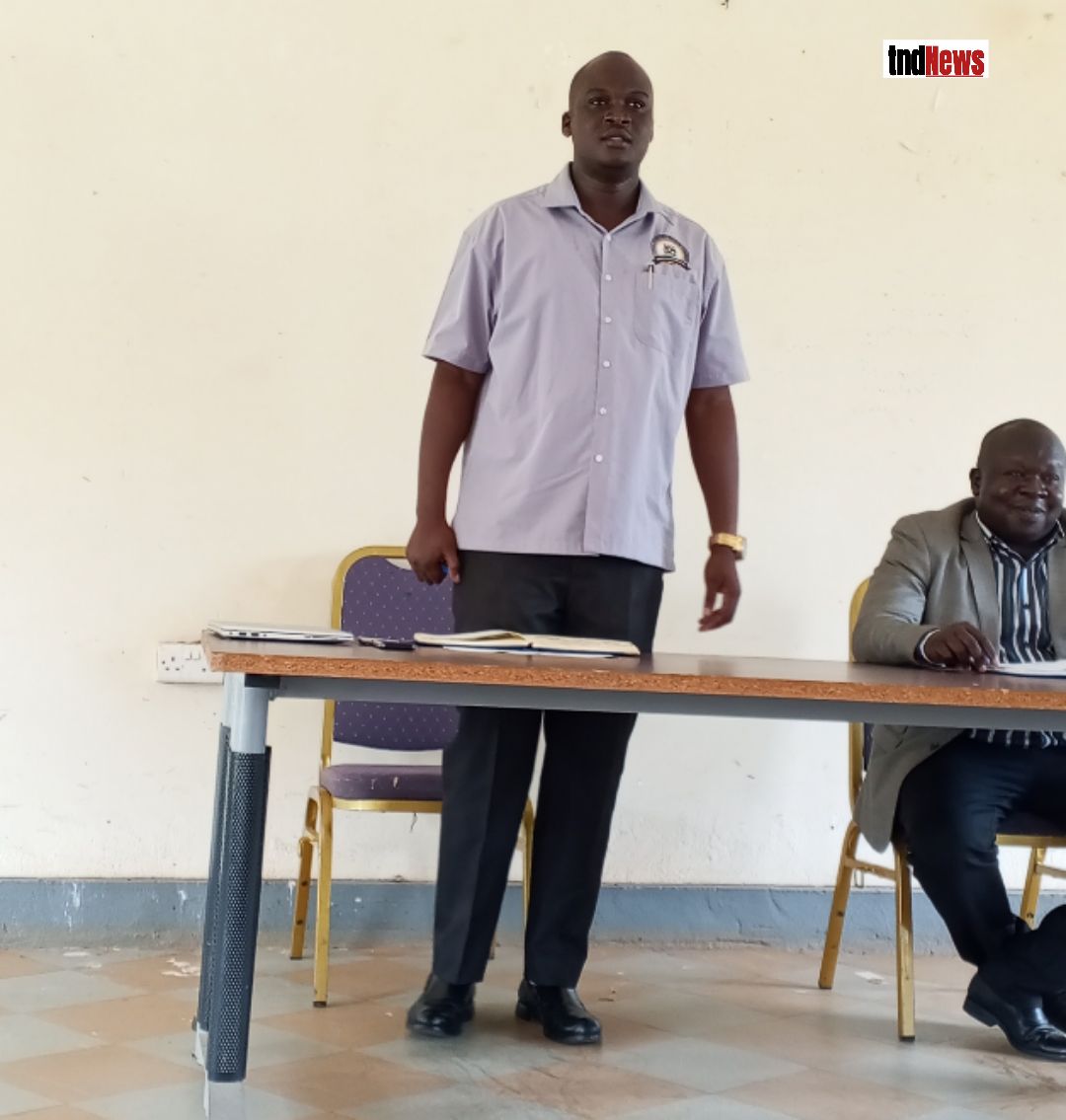
Speaking during a service delivery consultative meeting for Local Council III chairpersons, sub-county chiefs, and sub-county accountants held at the District Education Hall last week, the LC5 chairperson, Morish Ogwal Omara, said the training is intended to equip leaders with a clear understanding of their roles and responsibilities to enhance effective service delivery.
Ogwal expressed optimism that the training would enable local leaders to execute their mandates effectively while reducing the unnecessary conflicts that often arise between elected leaders and technical staff they are mandated to supervise.
He urged sub-county chairpersons to closely monitor government projects within their jurisdictions to ensure value for money and promptly report any cases of substandard work.
The district chairperson also revealed that his administration is developing a strategy to enhance local revenue collection to support the district’s development agenda.
He said that if effectively implemented, the strategy could increase the district’s locally generated revenue from the current approximately shs300 million to between shs1.5 billion and shs2 billion per financial year.
Omara further called upon both political leaders and technical staff to work together in the fight against corruption and promote a people-centered approach to service delivery.
The Deputy Chief Administrative Officer, Vuciri Geoffrey, commended the district chairperson for organising the consultative meeting, saying it had provided an opportunity for local leaders to share challenges affecting their work and jointly identify solutions.
To strengthen the management of lower local governments and improve service delivery, Vuciri announced that the district would undertake a major transfer of sub-county chiefs, community development officers, and sub-county accountants across the district’s 16 administrative units.
The LCIII chairperson of Namasale sub-county and Dean of LCIII chairpersons in the district, Denis Rembo Ongu, welcomed the planned transfers, noting that some sub-county chiefs had overstayed in their duty stations and developed strained working relationships with their supervisors, which had negatively affected service delivery.
Ongu also appealed to the district leadership to engage the National Identification and Registration Authority (NIRA) over persistent congestion at its Amolatar office, where residents seek services such as National ID registration and issuance.
He proposed that these services be decentralized to sub-county and parish levels to improve accessibility and reduce overcrowding.
Discover more from tndNews, Uganda
Subscribe to get the latest posts sent to your email.