Adjumani district local government has raised concern over the increasing number of new HIV infections among women and young people despite a reduction in the overall number of new cases registered in the district.
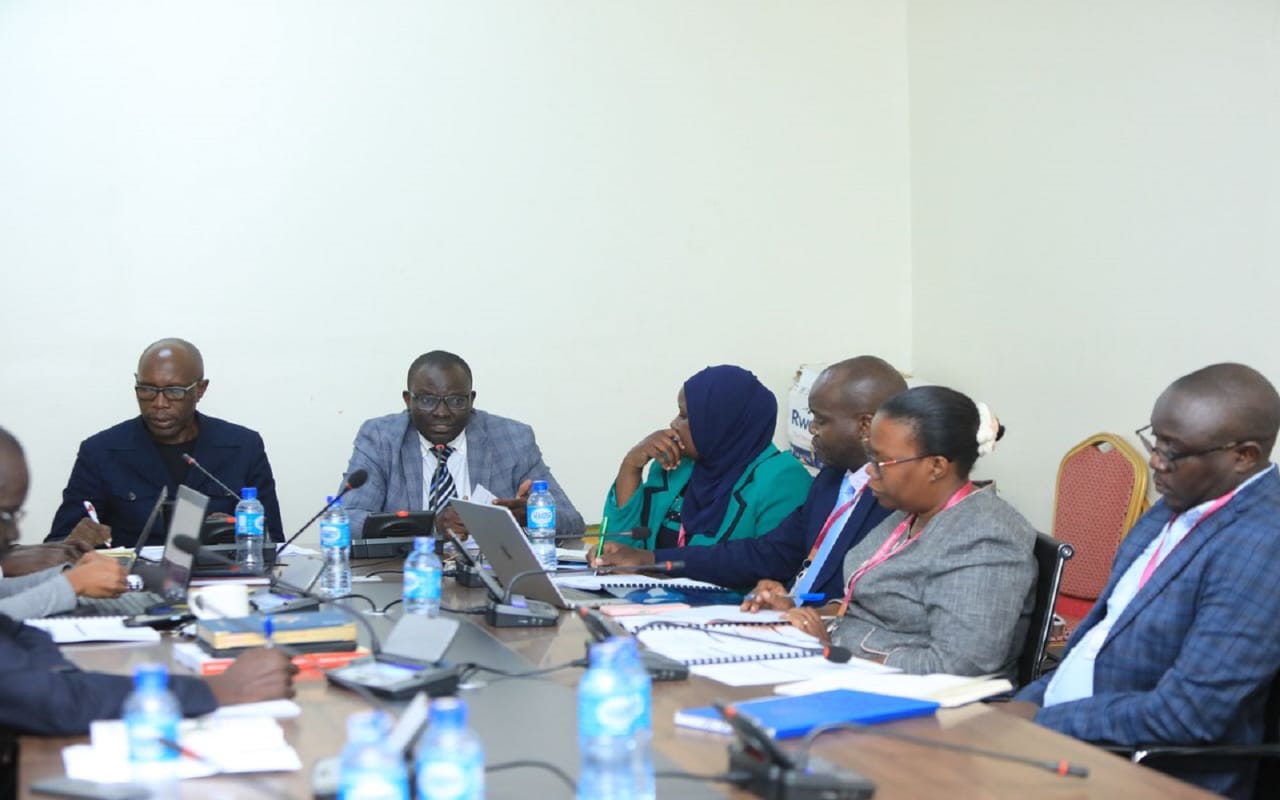
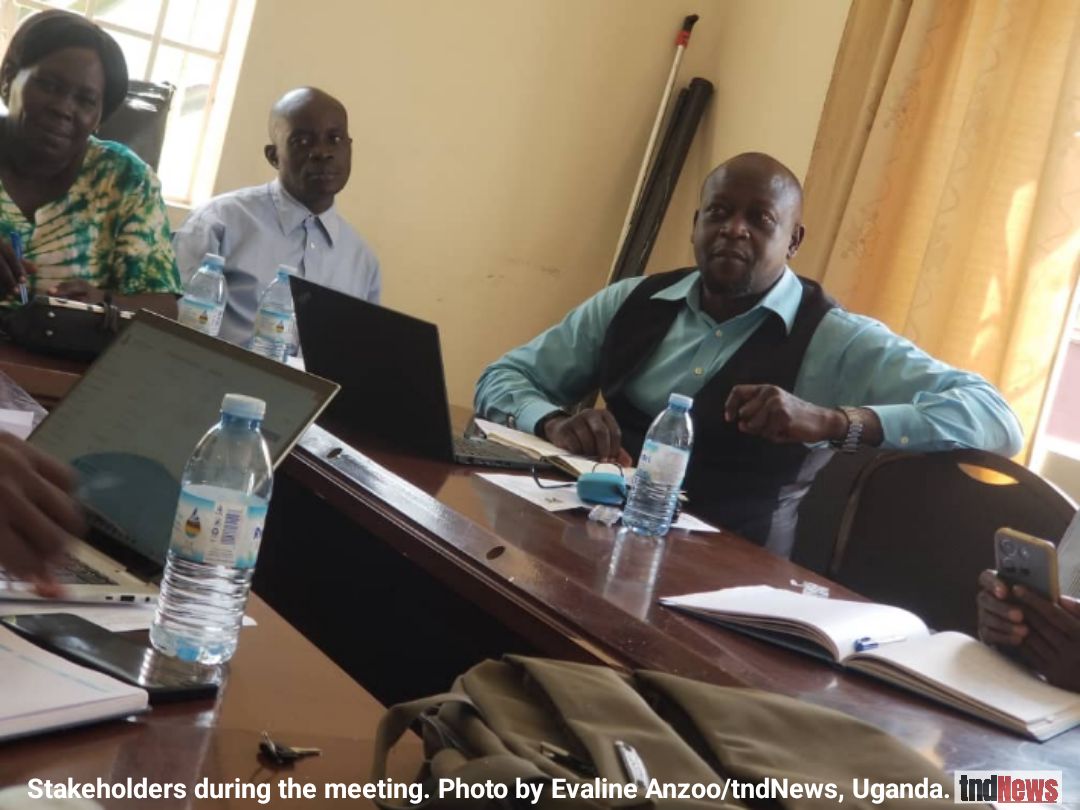
The concern was raised during a stakeholders’ engagement on HIV/AIDS, where district leaders, health workers, and representatives of people living with HIV reviewed the district’s HIV situation and discussed strategies to end new infections.
According to the District HIV/AIDS Focal Person, Inyani Dolorance, the district has made progress in reducing new HIV infections compared to previous years, but the latest figures still present a worrying trend, especially among women and young people.
“We used to have more than 400 new HIV infections, but currently we have 225. And Adjumani Town Council is number one with 67 new cases. The detailed analysis of the 225 shows that 30% of these are people between the ages of 15 and 29.”
And it is very bad that 65% of the total 225 new infections are occurring among the female gender, Inyani said.
The figures indicate that out of the 225 newly registered HIV infections, more than half are women and girls, while nearly a third are young people.
Stakeholders noted that these statistics require urgent interventions.
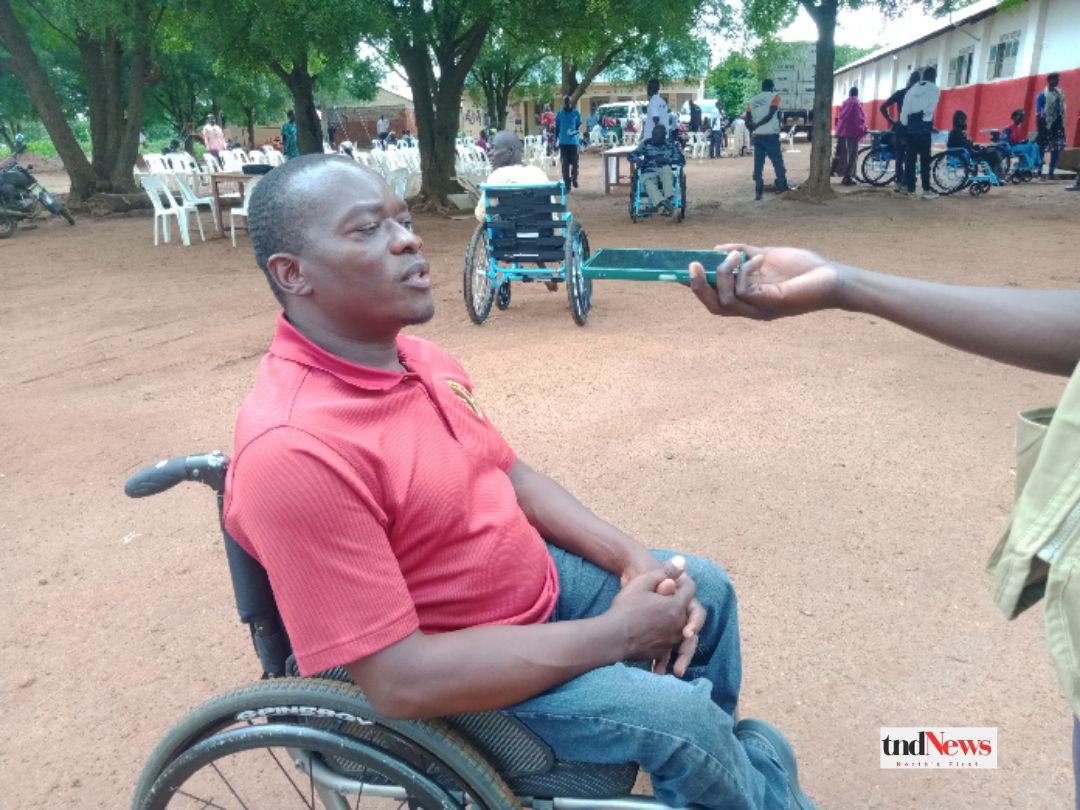
The chairperson of People Living with HIV/AIDS in Adjumani district, Opi Leonard, called for greater efforts in tracking clients who discontinue treatment and disappear from health facilities after testing positive.
“Let us wake up and track our lost clients. Last week, we discovered from our facility that one child was born with HIV. This is a mother who tested positive and was put on ARVs, and she disappeared; went and conceived somewhere, came with a baby. No care….”
The cross-border issue, especially the refugee community, Opi noted, is a big issue. “The moment they are tested, they disappear. They go to South Sudan, others go to Congo. Finding them is not easy, but the ones within we can make it.”
He emphasised that communities have a role to play in ensuring that people diagnosed with HIV remain on treatment and receive the support they need to prevent further transmission of the virus.
Speaking during the discussion, Apio Ruth Sharon Baru expressed concern that many people no longer fear HIV infection as they did in the past, making prevention efforts more challenging.
“Currently, there’s nothing people fear about HIV; that’s why you hear people saying girls/women fear pregnancy more than HIV/AIDS. But why? To me, maybe it’s because the right information they are supposed to be given has not yet sunk in so well. So, I think a lot has to be done in regard to engaging the communities,” she said.
Her remarks highlighted the need for continuous community sensitisation and awareness campaigns, particularly among young people and women who continue to bear the greatest burden of new infections.
Adjumani Resident District Commissioner Toko Swaib urged stakeholders not to lose hope in the fight against HIV/AIDS, noting that sustained sensitisation and collective responsibility remain key to ending the epidemic.
“Let’s not give up. We continue sensitising our community, and it is becoming difficult; actually, the difficulty is going away. We shall reach a point when we want everybody to understand the message.”
The RDC emphasised that the fight should not be left to the health sector alone but should involve every department, institution, community leader, and household.
Stakeholders agreed that while the reduction from over 400 new infections to 225 represents significant progress, the high number of infections among women and youth remains a major challenge.
As Adjumani district continues working towards the national goal of ending HIV/AIDS by 2030, leaders are calling for stronger collaboration among government departments, health facilities, community leaders, families, and development partners to ensure that no one is left behind in the fight against the disease.
The meeting ended with a renewed commitment from stakeholders to strengthen HIV prevention, treatment, and community awareness programs, with particular focus on women and young people who account for the majority of new infections.
Leaders stressed that ending HIV by 2030 remains achievable if every stakeholder takes responsibility and works together to protect communities from new infections.
Discover more from tndNews, Uganda
Subscribe to get the latest posts sent to your email.