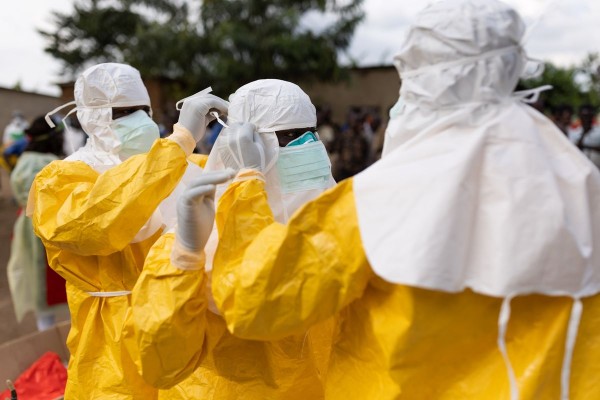
Even when no new Ebola cases are reported, fear does not disappear overnight.
In border communities across Northern Uganda, health workers, local leaders, and residents know that the fight against Ebola does not end when infections decline.
Instead, experts say, the period following an outbreak can be just as critical in preventing a resurgence of the deadly disease.
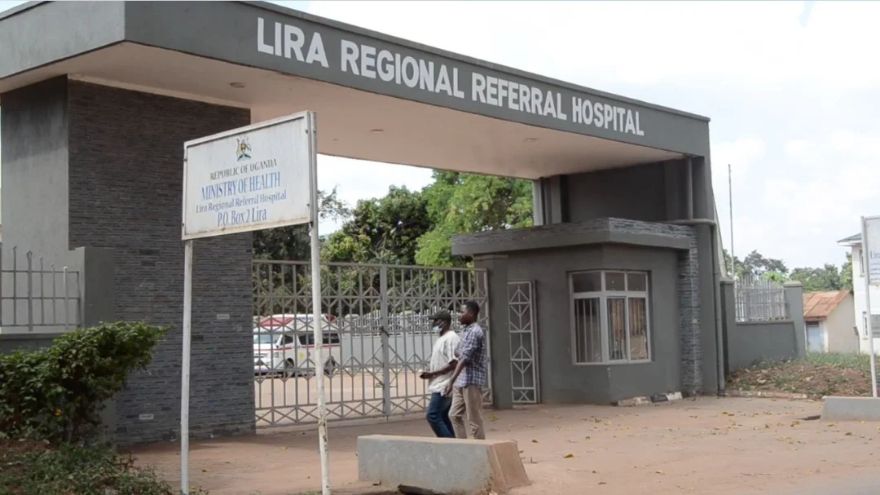
This reality is playing out in Lamwo district, where authorities have maintained preventive restrictions despite Uganda going several days without registering new Ebola cases.
The restrictions, which include limitations on activities that attract large crowds, were introduced following directives from the National Ebola Task Force and the Office of the Prime Minister as part of efforts to minimize the risk of cross-border transmission.
Lamwo Resident District Commissioner William Komakech says the district will continue implementing the measures until official communication is received from national authorities.
“The preventive measures were introduced following guidance from the National Ebola Task Force and the Office of the Prime Minister. Until we receive official communication lifting them, the district will continue to enforce the restrictions,” Komakech said.
According to the RDC, Lamwo’s location along the Uganda-South Sudan border makes the district particularly vulnerable to disease importation because of frequent cross-border movements.
“Although Uganda has gone for days without reporting new cases, vigilance remains necessary. Border districts cannot afford to relax because movement across borders is continuous,” Komakech noted.
Uganda has earned international recognition for its ability to contain Ebola outbreaks through rapid detection, contact tracing, isolation, and community engagement.
However, public health officials warn that a single undetected case can reignite transmission chains.
According to the Ministry of Health, Uganda confirmed a fresh Ebola outbreak in May 2026 involving the Bundibugyo strain of the virus, with most cases linked to cross-border movements from the Democratic Republic of Congo.
As of June 17, 2026, Uganda had registered 19 confirmed cases, including imported infections and secondary transmissions among contacts and health workers.
The outbreak affected mainly Kampala and Wakiso districts, with health authorities intensifying surveillance nationwide.
Prof. Charles Olaro, the Director General of Health Services at the Ministry of Health, has repeatedly emphasized the need for sustained vigilance, especially among health workers and communities in high-risk areas.
“Even when case numbers reduce, surveillance must continue because early detection remains the most effective strategy for preventing widespread transmission,” Prof. Olaro said during recent Ebola response engagements.
Health workers and communities, he noted, should continue observing infection prevention measures and promptly report suspected cases.
The Ministry of Health has continued to urge Ugandans to remain alert, practice proper hygiene, avoid unnecessary contact with suspected patients, and cooperate fully with surveillance teams.
Standard operating procedures for schools, markets, places of worship, and public gatherings remain available to guide communities during periods of heightened alert.
For residents in border districts such as Lamwo, previous outbreaks have underscored the importance of preparedness.
During past Ebola emergencies, restrictions on mass gatherings, livestock markets, and other public activities were introduced to minimise person-to-person contact and reduce opportunities for transmission.
While such measures often affect livelihoods and social activities, many community members acknowledge that they are necessary.
Jackson Opiro, a resident of Agoro sub-county said communities have learned difficult lessons from previous outbreaks of Covid 19.
“When diseases like Ebola occur, prevention becomes everyone’s responsibility. Restrictions may be inconvenient, but they help protect families and communities,” Opiro said.
Health officials say public cooperation remains one of the strongest weapons against Ebola.
The World Health Organisation notes that effective community engagement, rapid reporting of suspected cases, and strict adherence to public health guidelines are essential in stopping outbreaks before they spread widely.
Uganda’s previous successes in controlling Ebola have largely been attributed to these measures.
Lamwo District’s Ebola Task Force is expected to continue reviewing the evolving situation and aligning local interventions with national guidance. For now, authorities insist that caution should prevail over complacency.
Because in public health, experts say, the absence of new cases is encouraging but it is not the same as the end of risk.
And in border communities where people, goods, and livestock move daily across national boundaries, vigilance remains the first line of defence.
Discover more from tndNews, Uganda
Subscribe to get the latest posts sent to your email.