There’s a quiet dignity in the faces of Ugandans who rise each morning with hope that the dusty road in their village will finally be paved, that the health centre will have essential medicines, that their children’s school will have desks, not just the floor.
But that hope is slowly fading. Not because we lack resources or ideas, but because our governance architecture, once full of promise, is now a house built on shifting sands.
In 1993, Uganda made a courageous leap toward democratization and development by introducing the Local Government Act. This reform birthed a decentralization agenda that was nothing short of visionary, meant to empower citizens, strengthen local autonomy, and bring services closer to the people. It worked at first.
A broken promise: The slide into recentralization.
In the early 2000s, decentralization delivered tangible results: UPE schools sprouted in parishes, health centres received basic supplies, and feeder roads were opened. However, the tide began to turn. Core functions were quietly recentralized. Today, local governments, once vibrant engines of development, are reduced to administrative shells, starved of authority and resources.
Uganda’s national budget for FY 2025/2026 stands at over UGX 72.3 trillion. Of that, only UGX 5.73 trillion, just 7.9% is allocated to local governments. This is a stark decline from 23.8% in 2009. And yet, these local entities remain responsible for over 65% of frontline service delivery, including health, education, water, sanitation, and local infrastructure.
Meanwhile, 100% of locally generated revenue, from market dues, licensing, and property tax is funnelled into the central treasury. Only a fraction (often 30–50%) is returned for local development. This fiscal setup betrays the spirit of decentralization and leaves district governments chronically underfunded and institutionally weakened.
Undermined leaders, undermined progress.
At the heart of every district is the District Chairperson, the political and administrative fulcrum of local governance. These leaders oversee planning, budgeting, supervision, and citizen engagement across large territories with multiple sub-counties and parishes.
Yet, their compensation is shockingly inadequate, with monthly salaries often less than UGX 2 million, less than what a Member of Parliament receives for fuel alone. Many operate without technical advisors, personal assistants, or even reliable transport to inspect public works. In contrast, MPs whose constituencies are smaller and legislative in focus earn upwards of UGX 25 million monthly, complete with perks, allowances, and vehicles.
This imbalance has created a perverse incentive structure. Talented individuals shy away from district leadership roles, opting instead for Parliament, where the rewards are greater even if the local impact is less direct. Consequently, local governments attract fewer high-calibre leaders, despite bearing the heaviest service delivery burdens.
Furthermore, District Chairpersons are regularly sidelined at public functions, outranked by centrally appointed officials, despite being the constitutionally recognized heads of district governance. This symbolic erosion of status further discourages capable leadership from engaging in local politics, undermining not just individuals, but the integrity of the entire governance system.
Corruption: A symptom, not a justification.
A common justification for recentralization is the claim that local governments are corrupt. Undoubtedly, corruption exists, but it is not unique to local authorities. Auditor General reports have exposed massive irregularities at both local and central levels, from ghost schools and roads to inflated contracts and outright theft.
One glaring example is the District Service Commissions (DSCs), responsible for hiring local civil servants. In many districts, job applicants are required to pay bribes ranging between UGX 7 million and UGX 15 million, regardless of their qualifications.
Even after paying, there is no guarantee of an appointment. These stories are widely known, yet few speak openly for fear of retaliation.
But let’s be clear: recentralizing recruitment isn’t a magic bullet. The central Public Service Commission is similarly plagued by allegations of favouritism and backdoor dealings. If the goal is integrity, the solution must be systemic.
Why can’t all recruitment processes be conducted under CCTV or recorded video? Let panels sit before cameras. Let every shortlisted candidate receive a copy of their interview. Let there be a visual record. When people feel cheated, they should have recourse. The eyes and ears don’t lie, and transparency is the strongest disinfectant.
Institutionalizing barazas: People must know to demand.
Democracy thrives where citizens are informed and engaged. Yet, most Ugandans remain unaware of the budgets, projects, and responsibilities allocated to their local governments. This ignorance breeds apathy, which in turn enables impunity.
The solution? Institutionalize barazas community accountability forums where local leaders report back to citizens. These barazas should be held quarterly in every sub-county, with structured agendas, published budget information, and mandatory participation by technical officers and elected leaders.
Where barazas have been piloted in districts like Ntungamo, Lira, and Kibuku, citizens have exposed shoddy contractors, blocked fraudulent payments, and even influenced budget reallocations to better serve community needs. Yet, most of these forums are donor-funded and inconsistently executed.
We need a law enshrined in the Local Government Act to mandate and fund barazas. Communities must be told, in local languages, that UGX 500 million was allocated for a maternity ward or a bridge. They must see the procurement details, the contractor names, and the timelines. And they must have the right to speak loudly when things go wrong because informed citizens are the first and last line of accountability.
Learning from others: The African experience.
Uganda is not alone in this journey. Other African nations have faced and overcome similar challenges.
Rwanda allocates 27% of its national budget to local governments, resulting in significant gains in maternal health, education, and civic trust.
Ghana empowers local assemblies to raise and retain revenue, with up to 40% of the national budget allocated to local development. Satisfaction with local service delivery stands at 87%.
South Africa uses participatory budgeting and social audits. Citizens engage directly in planning, and protests have declined where these models are used.
These are not dreams, they are blueprints, and they can work in Uganda too.
A new vision: Local governments that work. Let us imagine a Uganda where:
District Councils receive at least 25% of the national development budget.
All public recruitment is recorded, and job seekers can appeal unfair outcomes using visual evidence.
Barazas are mandatory, funded, and televised on local radio stations.
District leaders are well-compensated, respected, and equipped to deliver real change.
This isn’t an idealistic fantasy. It is the only path forward if we want governance that is fair, effective, and truly people-centred.
Conclusion: The time is now.
The greatness of Uganda will not be built solely in Kampala’s corridors of power. It will be forged in dusty district council halls, in parish barazas, and in the homes of citizens who feel seen and heard.
Let us reawaken the heart of local governance — not tomorrow, not someday, but now.
The promise of decentralization must be restored not as a relic of the past, but as a rallying cry for a better future. For the mother in Kole who walks five kilometres to the nearest clinic. For the child in Bukomansimbi who studies under a mango tree. For the farmer in Amuria, whose road becomes a river every rainy season.
Their voices matter. Their leaders matter, and their future, our future, begins when we believe that local governance is not a burden, but a blessing.
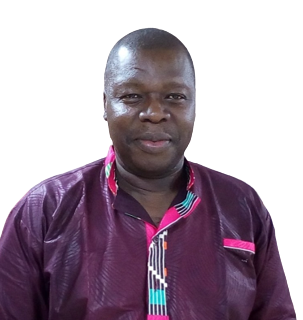
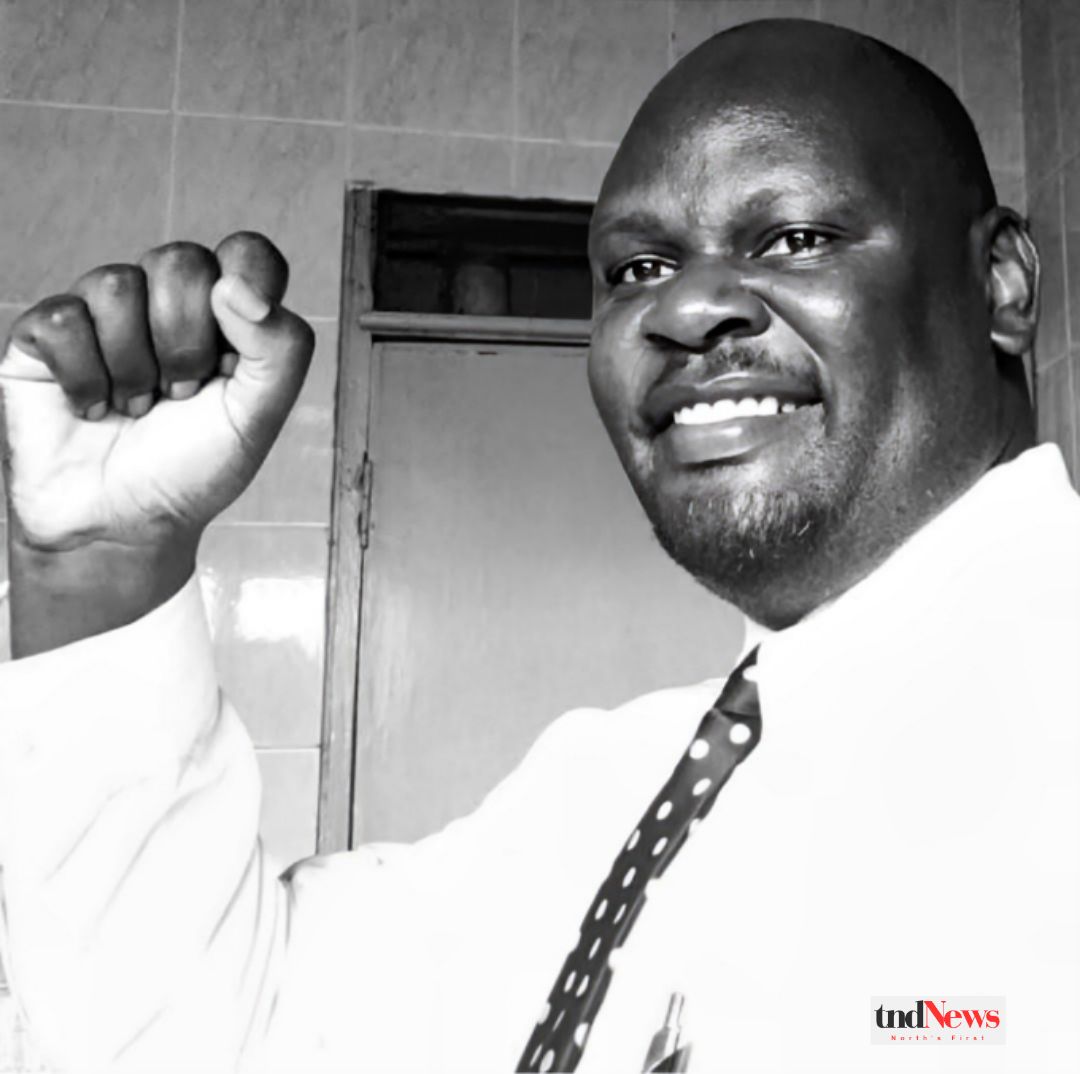
Dr. Bob Marley Achura is a Community-Driven Development Advocate and an expert in governance, equity, and public sector reform across Sub-Saharan Africa.
Discover more from tndNews, Uganda
Subscribe to get the latest posts sent to your email.