

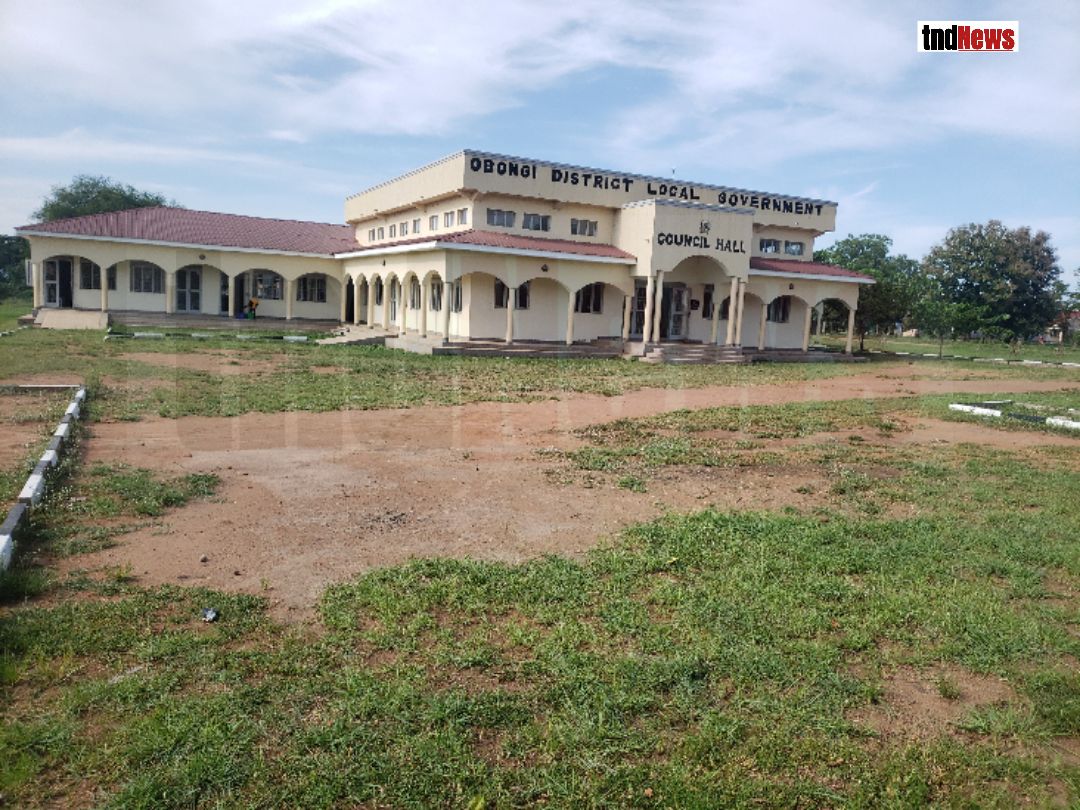
Questions have emerged over the roles of parish chiefs in the management of the Parish Development Model (PDM) in Obongi district following the interdiction of 18 officials over alleged irregularities involving shs163 million.
The interdictions, communicated through letters issued by the Chief Administrative Officer (CAO), Benson Otim Humphrey, on October 30, 2026, followed reports alleging that 163 ghost and ineligible beneficiaries had been included on PDM beneficiary lists.
The affected officers reportedly received their interdiction letters from November 3 as the district administration moved to facilitate investigations into the alleged irregularities.
The interdicted officials include two officers who were serving as acting Senior Assistant Chief Administrative Officers in Itula and Aliba sub-counties.
Three teachers are also reportedly under scrutiny for allegedly benefiting from the programme despite being ineligible.
Otim said the administrative action followed reports from security agencies and his own preliminary inquiries.
Also read: Obongi district: Candidates accused RDC of voter disenfranchisement pre-Jan 15 polls
“I have interdicted 18 parish chiefs, together with three teachers who benefited yet they are not eligible for PDM. I obtained a report from security and also conducted my own interrogation. I have therefore put them aside to allow further investigations,” he said.
He added that the district had introduced a mechanism to encourage community members to verify the allegations, saying the affected officials would be cleared if the claims were found to be false.
“If the allegations are found to be false, the parish chiefs will be exonerated, but if they are proven, they will be punished,” Otim said.
However, the interdictions have generated differing opinions among residents, particularly regarding the alleged involvement of parish chiefs in selecting beneficiaries and handling PDM funds.
Savior Anyama, a resident of Obongi, said concerns about the alleged selection of relatives and other undeserving beneficiaries in government programmes had persisted since the implementation of the Northern Uganda Social Action Fund (NUSAF).
He alleged that some public officials had been favouring members of their families when government poverty alleviation programmes were being implemented, while deserving households were left out.
Anyama questioned the impact of government interventions in the district, arguing that some communities had yet to realise meaningful improvements despite the substantial resources invested in development programmes.
But another resident, Mata Yam, challenged the basis of the interdictions, arguing that parish chiefs are not directly responsible for selecting PDM beneficiaries or handling funds.
Also read: Kole PDM leaders accused of “sex demands” before disbursement of funds to female beneficiaries
He cited the PDM implementation guidelines, which provide for beneficiary identification through community meetings and the Parish Development Committee (PDC), with parish chiefs serving primarily as technical officers responsible for coordination.
Under the programme, funds are transferred through financial institutions and parish SACCO structures to the accounts of individual beneficiaries rather than being distributed in cash by parish chiefs.
Yam argued that the distinction should be considered during the investigations to establish the specific responsibilities of each interdicted officer.
He questioned how parish chiefs could be held accountable for direct cash mismanagement when they do not personally receive or distribute the money.
The differing views have brought into focus the need for investigators to establish whether the alleged irregularities arose from beneficiary identification, approval processes, financial transactions or weaknesses in programme oversight.
Meanwhile, Obongi Resident District Commissioner (RDC) Eva Muwangala Kwesiga said the matter had not yet formally been brought to her attention, although she acknowledged that the CAO was handling it administratively.
“I want to trust the CAO, believing that he will handle this matter professionally up to its logical conclusion,” she said.
Obongi district has so far received shs11.4 billion under the PDM, benefiting 8,571 people, according to the figures provided by the district.
The programme, introduced by the government to move households from subsistence to the money economy, is implemented through parish SACCOs, which provide revolving funds to support income-generating activities.
The investigations are expected to establish how the alleged 163 ineligible beneficiaries were identified and whether public officials breached the programme’s implementation guidelines.

The interdictions are administrative measures pending investigations and do not, in themselves, establish criminal liability.
Discover more from tndNews, Uganda
Subscribe to get the latest posts sent to your email.


