

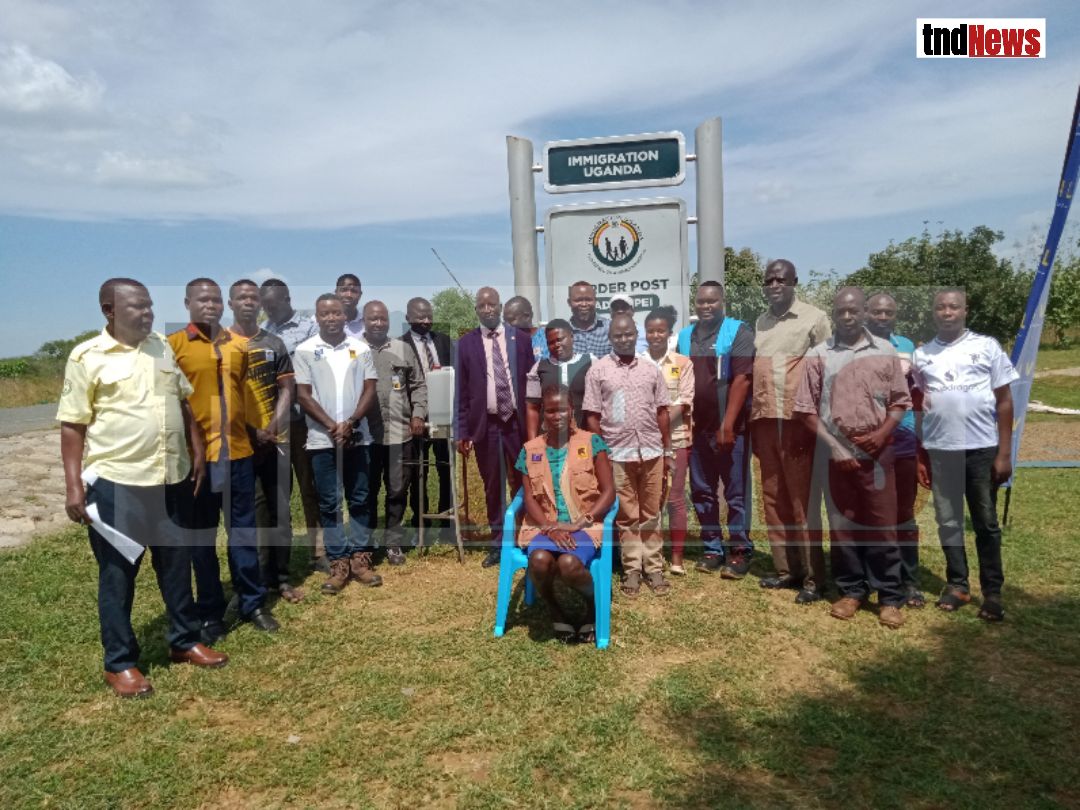
Health authorities in Lamwo district have raised concerns over inadequate disease screening facilities, staffing and access to clean water as Uganda reopens its border with South Sudan to asylum seekers fleeing the neighbouring country.
Lamwo Resident District Commissioner William Komakech said the border had recently been reopened to allow South Sudanese asylum seekers entry into Uganda, following concerns that some people seeking protection had previously been prevented from crossing into the country.
However, Komakech cautioned that the reopening would be conducted under close monitoring to ensure that the increasing movement of people across the border did not compromise security and public health.
He made the remarks during a border monitoring committee meeting on Wednesday at Apiriti Border Post in Madi Opai, Lamwo district, where district officials, security personnel and humanitarian development partners discussed the management of asylum seekers and challenges affecting border communities.
The International Rescue Committee (IRC) welcomed the decision, saying the monitoring meeting had provided an opportunity for stakeholders to understand the situation and identify areas requiring urgent intervention.
Aceba Paul Oran, the IRC technical team lead, said the engagement would help development partners understand the existing gaps and coordinate their interventions to support affected communities.
Dicken Otim, an IRC health project officer in Lamwo, said humanitarian organisations would continue working with district authorities to address service delivery challenges.
He emphasised the importance of coordination among development partners to avoid duplication of interventions and ensure that available resources addressed the most pressing needs.
However, health workers at the border raised concerns about their capacity to screen the increasing number of people entering Uganda.
A nurse attached to Madi Opei Border Post at Apiriti said the facility lacked adequate medical equipment and personnel to effectively screen asylum seekers arriving from South Sudan.
The nurse said she was the only health worker at the facility, making it difficult to manage the screening workload, particularly when several asylum seekers arrived at the same time.
She also cited inadequate water supply as another major challenge, explaining that the available borehole was difficult to operate and could not adequately serve the needs of both health workers and asylum seekers.
According to the nurse, the facility sometimes has to manage with only one jerrycan of water a day, despite the need for people to wash their hands and access drinking water.
She warned that inadequate screening facilities could make it difficult to identify and respond promptly to infectious diseases among people crossing the border.
The concerns come amid reports of suspected measles cases in Awenolwio, Lukung East sub-county, where communities living along the Uganda-South Sudan border have expressed fears about the possible spread of the disease.
Arindo Osbert, the border internal security officer Awenolwio and is operating along the border have also reportedly raised concerns over the situation, prompting calls for urgent health interventions.
Lamwo District Health Officer Patrick Kijomi urged residents and other stakeholders to remain vigilant and immediately report anyone presenting symptoms of suspected Ebola, cholera or other infectious diseases.
Kijomi described Lamwo as a high-risk district because of its geographical proximity to South Sudan and the movement of people across the border.
He also raised concern about the possibility of disease transmission through cross-border movements, including people travelling to access medical services in South Sudan.
The district health department is expected to undertake further investigations into the reported measles cases by collecting samples for laboratory testing in Kampala.
Kijomi said the results would guide the district on the appropriate response and interventions required to contain any confirmed outbreak.
He added that Lamwo had previously registered strong performance during mass measles and rubella vaccination campaigns, reporting coverage of 101 per cent.
The district is expected to continue strengthening disease surveillance and vaccination activities to protect communities, particularly those living near the international border.
As the movement of asylum seekers resumes, stakeholders say adequate screening facilities, reliable water supplies, sufficient health personnel and coordinated humanitarian support will be critical in protecting both the incoming population and host communities.

Discover more from tndNews, Uganda
Subscribe to get the latest posts sent to your email.


