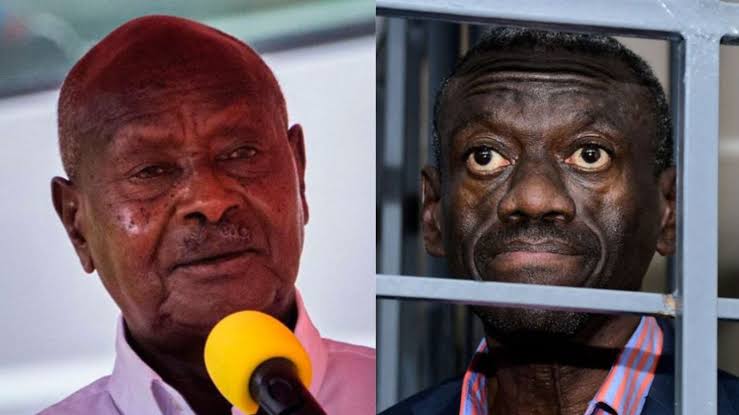
Former Aruu County MP Odonga Otto has questioned the independence of Uganda’s judiciary following the continued denial of bail to opposition figure Dr Kizza Besigye. Otto argues that the repeated rejection of Besigye’s applications raises concerns about whether the law is being applied fairly in politically sensitive cases.
Speaking on NBS Frontline, Otto blamed what he described as excessive centralisation of power in the hands of the President for weakening key institutions, including the judiciary. He argued that constitutional and legal practices over the past four decades had contributed to concentrating too much authority in the Executive.
“I personally think we are paying the ultimate price of centralisation of power in the hands of the President,” Otto said, expressing concern about the effect this could have on the independence of state institutions.
Otto specifically questioned why Besigye had continued to be denied bail despite reportedly making four applications. He said the situation had made him doubt whether Uganda’s judiciary was operating independently, particularly when handling cases involving prominent opposition figures.

“Now it raises a point to me: Do we have an independent judiciary? I would say no,” Otto stated. He also warned that public confidence in the courts could deteriorate further unless judicial leaders took steps to address the concerns being raised.
The former legislator further argued that the law on bail should apply equally to everyone, regardless of political affiliation or status. He also mentioned former Kampala Lord Mayor Erias Lukwago, insisting that his right to seek bail should be respected under the existing legal framework.
“What has happened to the law? What happened to the law? Even Erias Lukwago has a right to bail. We have not yet amended the law,” Otto said. He challenged officials who support tougher bail restrictions to openly pursue legal or constitutional amendments rather than advocate for measures that could conflict with existing provisions.
Otto suggested that if authorities feared Besigye might escape, alternatives such as house arrest could be considered, subject to the law and the court’s decision. He also argued that Besigye was best placed to negotiate for his own release, adding that prolonged detention raised serious questions about individual liberty, bail procedures and public confidence in Uganda’s justice system. His remarks remain his assessment of the situation, rather than a judicial finding that the courts have acted without independence.
Discover more from tndNews, Uganda
Subscribe to get the latest posts sent to your email.