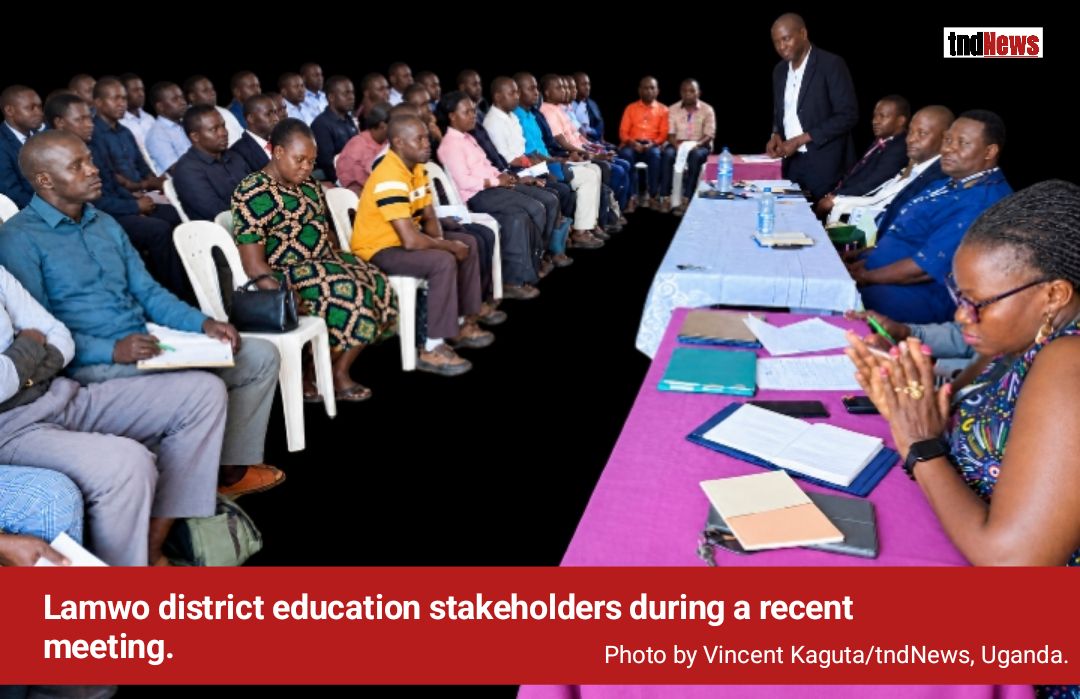
Schools in Lamwo district are struggling to finance some of their activities after parents reportedly stopped paying Parents-Teachers Association (PTA) contributions following social media reports attributed to Local Government Minister Balaam Barugahara, which suggested that parents should not pay the charges.
The development has raised concerns among district education leaders about school financing, learners’ welfare and efforts to improve academic performance, amid a national debate over charges in government-aided schools.
Lamwo District Education Officer Banabas Langoya said the withdrawal of parental contributions was affecting school operations, adding that his office had not received official communication from the Ministry of Education and Sports cancelling PTA contributions.
Langoya appealed to head teachers, PTA chairpersons, School Management Committees (SMCs), local leaders and other education stakeholders to work together to address the challenges and improve education standards.
He said Lamwo needed collective efforts to improve academic performance, noting that the district recorded only 28 first grades last year across more than 100 government and private schools.
Also read: Capitation grants: Figures released for nine Amolatar schools
Atii Florance, the chairperson of the Human Capital Development Committee in Lamwo District, urged teachers and school administrators not to send learners home over unpaid PTA contributions.
Atii said PTA contributions were arrangements between schools and parents and called on administrators to find appropriate ways of collecting the money without interrupting children’s learning.
She said learners should not be made to bear the consequences of disagreements between their parents and school authorities, urging school administrators to engage parents in resolving outstanding payments.
Her appeal comes amid renewed national scrutiny of school charges and the government’s efforts to protect learners enrolled under Universal Primary Education (UPE) and Universal Secondary Education (USE).
In September, the Ministry of Education and Sports Permanent Secretary, Dr Kedrace Turyagyenda, directed head teachers to stop sending learners home over unpaid school fees, warning that the practice traumatises children and affects their concentration in class.
Turyagyenda said schools should not use learners to pressure parents into paying outstanding charges and advised administrators to negotiate payment arrangements with parents where financial demands arise.
The government has also warned schools against imposing unauthorised charges under UPE and USE, while education stakeholders have raised concerns about the effect of restrictions on school operations, particularly where additional teachers and support staff depend on parental contributions for their salaries.
Also read: Lira regional referral hospital achieves international testing milestone
The debate has exposed the funding challenges facing some government-aided schools, which rely on government capitation grants alongside other permitted and agreed arrangements to meet their operational needs.
Lamwo Resident District Commissioner William Komakech said the government had pledged to increase capitation grants, recruit 50,000 teachers and provide free education to Ugandan children.
Komakech, however, said the commitments were still being implemented and urged parents to continue supporting schools through appropriate PTA arrangements as they awaited the fulfilment of the government’s pledges.
He emphasised the need for cooperation between parents, school administrators and government to improve education standards across the district.
PTAs provide a platform for parents and teachers to discuss learners’ welfare, school development and the resources needed to support education.
Depending on the school and applicable guidelines, parents may agree on contributions to address needs that are not adequately covered by government funding.
However, PTA arrangements do not give schools an unrestricted mandate to impose compulsory or unauthorised charges in government-aided institutions.
The government has maintained that learners should not be denied access to education because of unpaid fees or other charges covered by its policies.
For Lamwo, the challenge is to ensure that schools operate effectively while safeguarding learners from interruptions caused by disputes over payments.
Education stakeholders are calling for clear communication about permitted contributions, transparent accountability for money collected and constructive engagement between parents and school administrators.
The district’s education leaders face the task of balancing schools’ operational needs with the responsibility to ensure that financial disagreements do not deprive children of valuable classroom time.
Discover more from tndNews, Uganda
Subscribe to get the latest posts sent to your email.