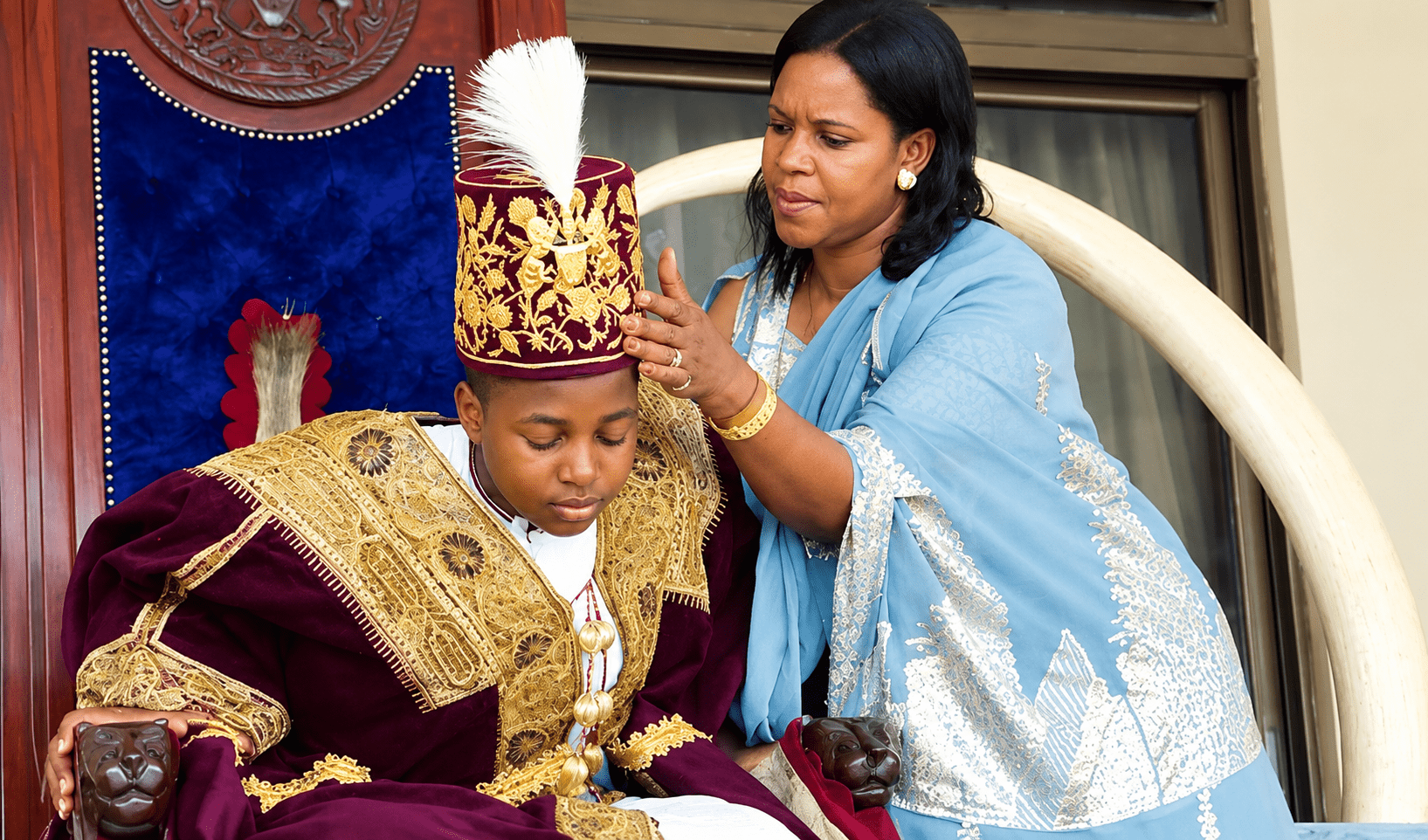
Rev. Fr. Charles Oyo Amooti, a member of the royal Babiito clan, has rejected the argument that the will attributed to the late King Oyo Nyimba Kabamba Iguru Rukidi IV should determine who becomes the next King of Tooro.
Amooti said the will should not be treated as the deciding factor in the selection or enthronement of a Tooro monarch. He argued that the authority to provide a king belongs to the Babiito clan as an institution.
His comments come amid an ongoing dispute over the succession of the late King Oyo, who died on August 27, 2026, after a battle with cancer. The disagreement has involved members of the royal family, Babiito clan leaders and other stakeholders.
The Babiito clan has selected Prince Edward Rukidi Kijanangoma as the successor to Oyo. The announcement has, however, been challenged by some members of the royal family, who have argued that Oyo’s reported will should be respected.
Speaking about the controversy, Amooti said a will represents the wishes of an individual and should not automatically override the authority of the institution responsible for the kingdom’s succession.
“The will, first of all, is not a determinant factor for the enthronement or selection. It is a wish of someone,” Amooti said, according to ChimpReports.
He explained that, in his view, there is a difference between an individual’s personal wishes and the authority of the institution. He maintained that no individual should have exclusive power to determine who inherits the Tooro throne.
Amooti argued that the Babiito clan represents the institution through which the people of Tooro traditionally provide a king. He said the clan had already spoken through its leadership and that its decision should stand.

“The people of Tooro have spoken through Muusuga and the Babiito clan,” Amooti said, insisting that the clan remained firm in its decision.
The priest also dismissed criticism coming from members of the royal family who have rejected the selection of Kijanangoma. He suggested that disagreements were part of the process and that those opposing the decision would eventually accept it.
Amooti said people who disagree with the clan’s decision were free to express themselves but maintained that the Babiito leadership would continue with the choice it had made.
The succession dispute has largely centred on different interpretations of how the next monarch should be selected. Some members of the royal family have argued that Oyo’s reported will should guide the process, while Babiito leaders have emphasised custom and the authority of the clan.
Amooti also rejected the description of the succession process as an ordinary election. He said kingship in Tooro is governed by the kingdom’s customs, traditions and the constitutional framework rather than by a conventional political voting process.
“The kingdom is under culture and guided by the customs and traditions and the constitution of Uganda,” he said, adding that the Babiito have the traditional responsibility of providing a king for Tooro.
The selection of Prince Edward Rukidi Kijanangoma followed the earlier emergence of Prince George Desmond Kamurasi as the preferred candidate of the Royal Succession Committee. Amooti later confirmed that Kamurasi declined the throne, saying he had other responsibilities.
According to Amooti, several names were considered during the succession process, but a person selected for the responsibility had to accept it before the clan could proceed with installation arrangements.
After Kamurasi declined, the Babiito clan proceeded with Prince Edward Rukidi Kijanangoma. His selection was subsequently announced publicly by Prince Charles Akiiki Kamurasi, the head of the Babiito clan, during the send-off of the late King Oyo.
The announcement has nevertheless not ended the disagreement. Members of Oyo’s family have continued to challenge the selection, arguing that the late king’s reported will contains provisions concerning succession.
Amooti, however, maintains that the throne cannot be treated as personal property that can simply be passed from one individual to another according to a personal wish. He said the Babiito elders have the responsibility to make the decision on behalf of the institution.
He further confirmed that Prince Edward Kijanangoma had taken on a new royal name following his selection. Amooti said the prince would now be known by the regnal name Edward Rukidi Nyabwongo II, according to his account.
The dispute therefore remains centred on competing interpretations of the role of the late king’s reported will, Tooro customs and the authority of the Babiito clan. Amooti’s position is that the clan’s decision should take precedence in determining who occupies the throne.
As the succession debate continues, different members of the royal establishment are presenting different interpretations of the process. The disagreement has made the transition following King Oyo’s death one of the most closely watched developments within Tooro Kingdom.
Discover more from tndNews, Uganda
Subscribe to get the latest posts sent to your email.