At seven years old, Atim Sarah did not know what menstruation was. She only knew there were conversations that stopped whenever children came close.
During school breaks, older girls gathered in small groups, lowering their voices as younger pupils walked past. At home, she noticed women discreetly wrapping sanitary pads in black polythene bags before leaving the house. Whenever she asked why, the answer was always the same.
“You will understand when you are older.” No one explained further. Long before Sarah experienced her first menstrual period at the age of 13, she had already learned an unspoken lesson: menstruation was something to hide.
Today, looking back, she believes the silence not the bleeding itself was what frightened her most. “When I finally got my first period, I wasn’t scared because our senior woman teacher had prepared us,” Sarah recalls.
“She explained what menstruation was, why it happens, and how to manage it. If she hadn’t talked to us, I think I would have panicked.”
Sarah’s story illustrates a growing concern among advocates who say the greatest barrier facing girls is not always the absence of sanitary pads but the discrimination surrounding menstruation.
Across Uganda and many countries in the Global South, menstruation continues to be surrounded by silence, stigma, myths, restrictions, shame and exclusion.
According to the Global South Coalition for Dignified Menstruation (GSCDM), these practices together constitute menstrual discrimination an umbrella term that includes silence, taboos, stigma, restrictions, abuse, violence, exclusion, and the denial of resources and services associated with menstruation throughout the life course.
The coalition argues that menstrual discrimination is not simply a cultural habit. It is rooted in unequal power relations that have historically shaped how societies perceive girls’ and women’s bodies.
Across many communities, patriarchal norms have normalised silence around menstruation, leaving decisions about girls’ bodies, education and participation influenced by traditions that often exclude rather than empower them.
These unequal power structures are reinforced in families, schools, workplaces and even public institutions, where menstruation is frequently treated as a private matter instead of a question of equality and human rights.
As a result, girls often grow up believing that managing menstruation quietly is more important than understanding it confidently.
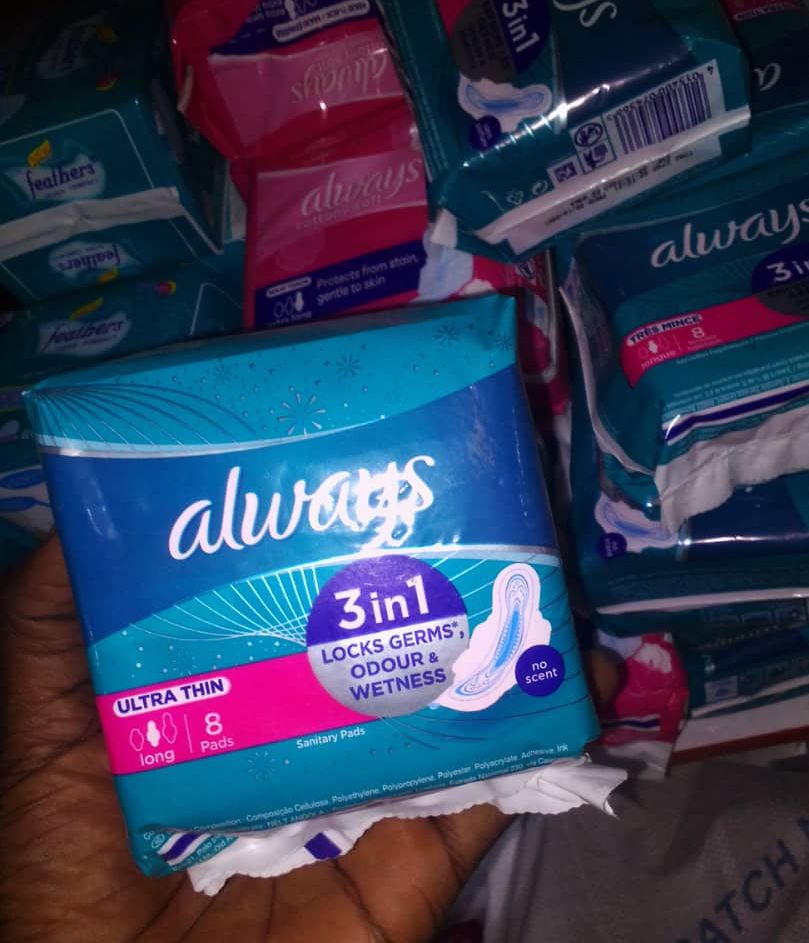
For decades, governments and development partners have invested in menstrual hygiene programs, distributing sanitary pads and improving water and sanitation facilities in schools. Those interventions remain essential. But advocates say they address only part of the problem.
A sanitary pad can absorb blood. It cannot absorb shame. A new toilet block can improve hygiene. It cannot dismantle discrimination. Every month, the consequences of that discrimination become visible in classrooms across Uganda.
Many girls stay home because they fear staining their uniforms or being ridiculed by classmates. Others avoid school because there is nowhere to change menstrual materials privately or dispose of them safely.
Some simply do not know what is happening to their bodies because no one prepared them before their first period.
Education experts estimate that nearly half of Ugandan schoolgirls miss classes during menstruation, while many lose valuable learning time each year because of menstruation-related challenges.
For Awor Brenda, a student at Padibe Girls Comprehensive School in Lamwo district, the memory of her first menstrual period remains vivid.
“I noticed blood on my skirt while I was at school,” she says softly. “I became very afraid because I thought everyone would see me. I tied my sweater around my waist and walked home without telling anyone.”

She remained absent from school for two days. “I had never been properly taught about menstruation,” she says. “I thought something was wrong with me. Looking back, I realise what hurt me most wasn’t the bleeding. It was a shame.”
Her experience reflects a reality shared by many girls in rural communities, where conversations about menstruation often begin only after a girl’s first period. Before then, curiosity is met with silence, leaving children to rely on rumors, myths and misinformation.
According to GSCDM, menstrual discrimination begins long before a girl’s first menstrual period. Children absorb messages that menstruation should remain secret, that girls should hide their bodies, or that menstruating women should avoid certain activities.
Those early lessons shape confidence, participation and self-worth years before adolescence. But menstrual discrimination does not end when girls leave school.
The Dignified Menstruation framework recognizes it as a life-course issue, one that can affect menstruators before menarche, throughout adolescence and the reproductive years, during pregnancy and the postpartum period, and later through perimenopause and menopause.
At every stage, silence, stigma, restrictions and unequal treatment can limit dignity, participation and equality unless actively challenged. For advocates, that is why menstruation should never be viewed simply as a hygiene issue. It is a question of justice.
The production of this story was supported by the Global South Coalition for Dignified Menstruation (GSCDM).
Discover more from tndNews, Uganda
Subscribe to get the latest posts sent to your email.