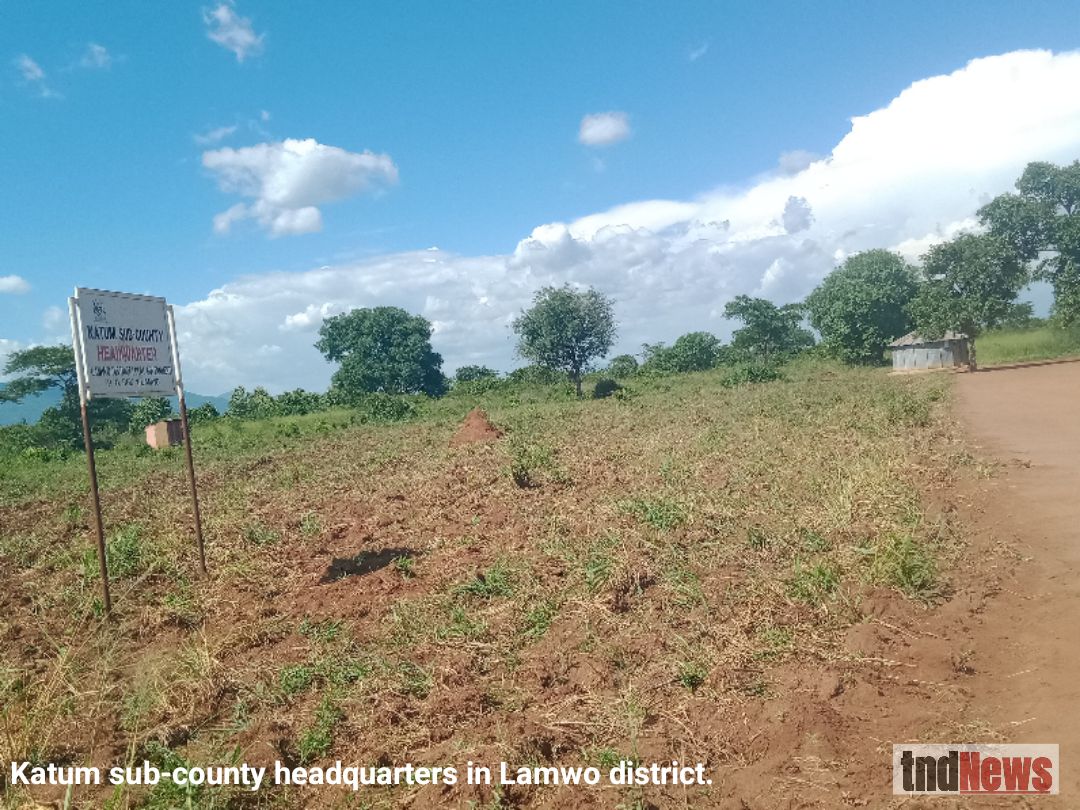
Lamwo | The Resident District Commissioner (RDC) of Lamwo, William Komakech, has dismissed allegations by some residents of Padibe East sub-county claiming that migrant cattle keepers, commonly known as Balaalo, have settled in the area.
The concerns emerged earlier this week after a section of residents reported seeing what they described as a large herd of cattle being grazed in parts of Padibe East, triggering anxiety among community members.
Some residents feared that the cattle belonged to migrant herdsmen, whose presence in several parts of Northern Uganda has previously generated tensions over land use, crop destruction, and grazing rights.
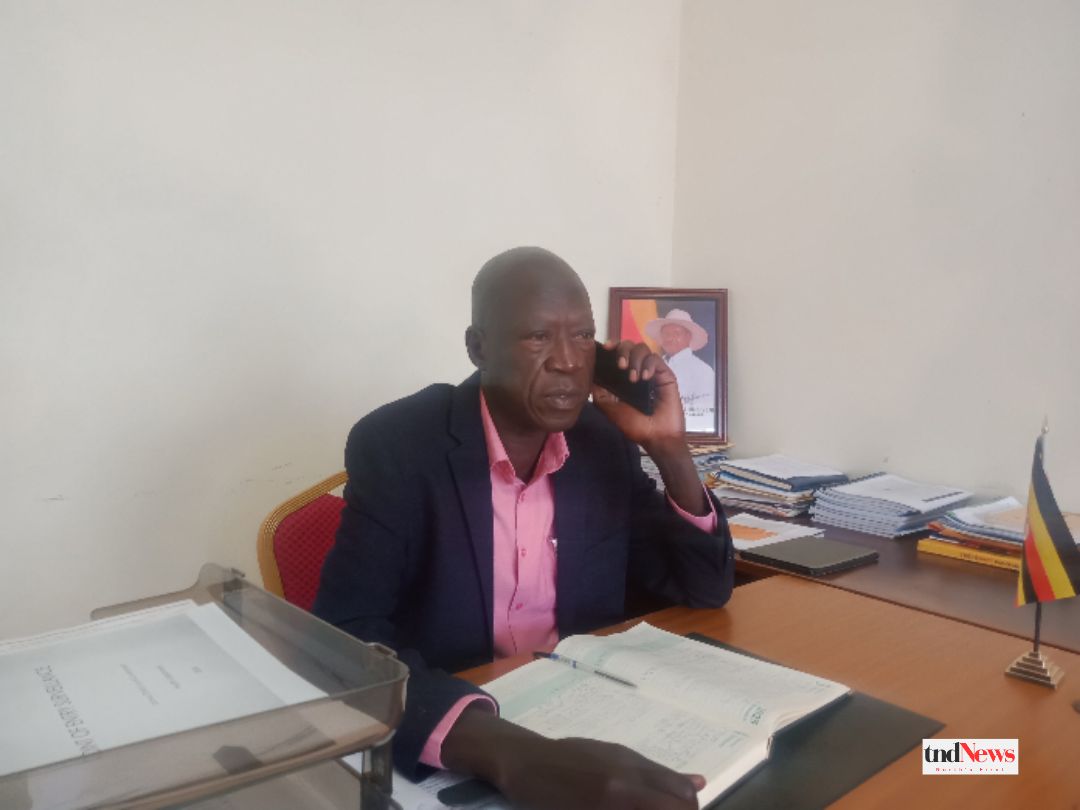
However, speaking to journalists after security investigations, Komakech said findings by district security agencies established that there were no Balaalo settlements in the area.
According to the RDC, the cattle in question belong to local residents from Padibe East and neighboring Padibe West sub-county.
“Security investigations established that the animals being grazed in the area belong to members of the local community. The reported figure of about 100 cattle was exaggerated and there is no evidence showing that Balaalo herdsmen have entered or settled in Padibe East,” Komakech said.
He cautioned residents against spreading unverified information, noting that such reports can create unnecessary panic and undermine community cohesion.
“We encourage residents to always channel their concerns through local leaders and security structures so that investigations can be conducted before conclusions are made,” he added.
Despite the RDC’s assurance, some community members say the reports sparked fear because of previous experiences in other districts across Northern Uganda where conflicts involving migrant cattle keepers have been reported.
Okot Stephen, a resident of Padibe East, said many people became alarmed after noticing unfamiliar cattle grazing in the area.
“People became worried because there has been a lot of discussion about Balaalo in Northern Uganda. When residents saw a large number of cattle, some immediately suspected that migrant cattle keepers had arrived,” Okot said.
Oketa Nelson, another community member, welcomed the clarification by security agencies but called for continued vigilance.
“We appreciate the intervention by the RDC and security teams. However, leaders should continue sensitising communities and monitoring the movement of livestock to avoid misunderstandings,” Oketa noted.
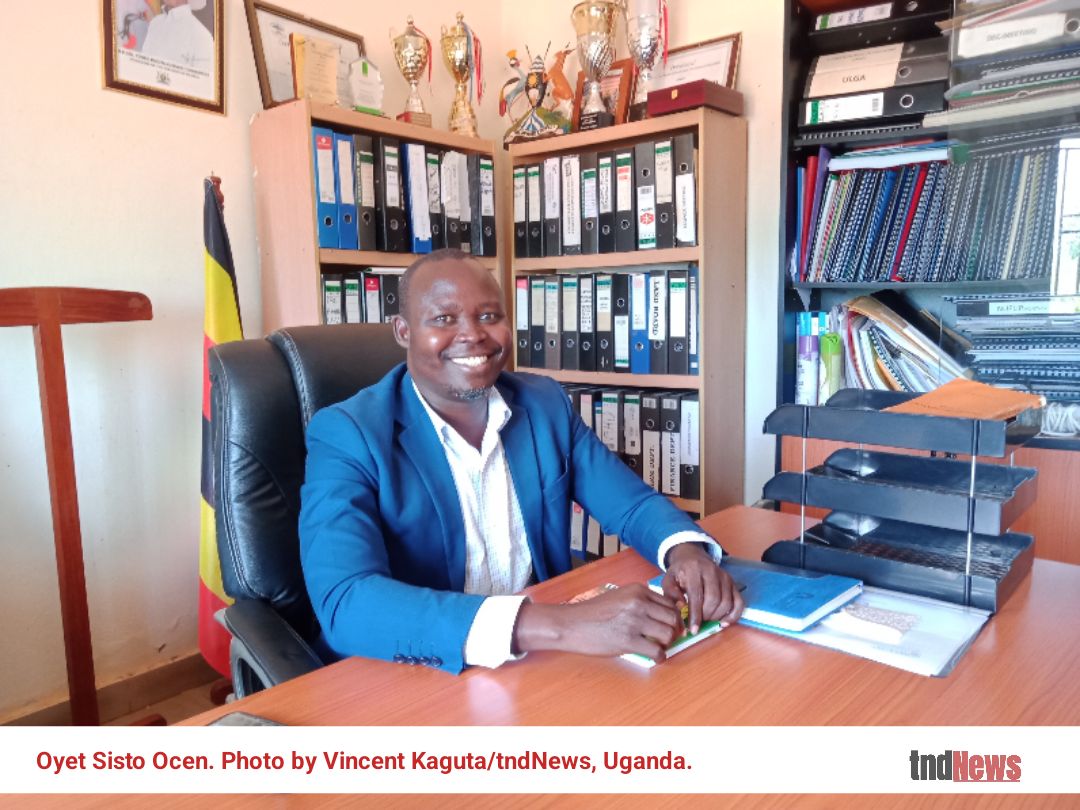
Lamwo district chairperson Oyet Sisto Ocen urged residents to remain calm and work closely with local authorities whenever concerns arise.
“The district leadership has not received any report confirming the presence of Balalo settlers in Lamwo County,” Ocen said. “Residents should avoid rumors and instead use established local government and security channels to report any suspicious activities.”
He emphasised that the district remains committed to protecting community land rights while ensuring that any movement of livestock complies with existing laws and guidelines.
The debate over migrant cattle keepers in Northern Uganda remains sensitive, particularly following Presidential directives issued in recent years regulating cattle movements and settlement.
President Yoweri Museveni previously directed that migrant cattle keepers entering Northern Uganda must fulfill several conditions, including fencing their farms, establishing permanent water sources, preventing free-range grazing, and obtaining proper documentation for land ownership and cattle movement.
The directives were intended to minimise conflicts between host communities and cattle keepers, especially disputes related to land ownership, crop destruction, and environmental degradation.
Komakech noted that security agencies in Lamwo continue to monitor compliance with these directives and would take appropriate action should unauthorised movement of cattle or herdsmen be detected.
“We remain vigilant as security agencies. Any unauthorised settlement or illegal movement of livestock will be handled in accordance with the law and existing government directives,” he said.
As concerns over land use continue to shape public discourse across Northern Uganda, district leaders are appealing to communities to prioritise dialogue, verification of information, and cooperation with security agencies in addressing emerging concerns.
Discover more from tndNews, Uganda
Subscribe to get the latest posts sent to your email.