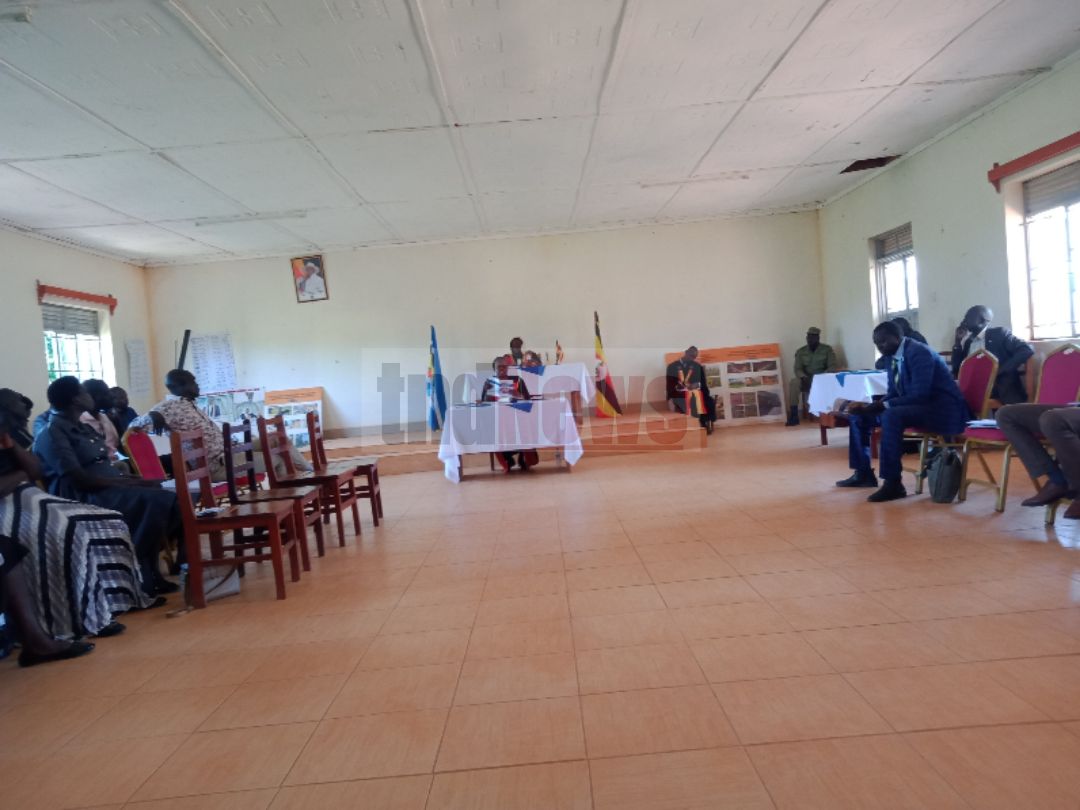
Lamwo | Councillors in Lamwo district have called for the timely payment of their emoluments, warning that delays in facilitation could hamper effective service delivery and weaken the performance of local government institutions.
The concern emerged during discussions on outstanding allowances owed to district councillors for activities conducted during the 2025/2026 financial year.
According to the councillors, the unpaid emoluments relate to key council functions, including budget scrutiny and approval, the formation of district government structures, committee meetings, and emergency council sittings.
Councillors argue that timely facilitation is essential to enable them to effectively perform their oversight, legislative, and representative roles.
Further, they noted that many members travel long distances from remote parts of the district to attend meetings and participate in decision-making processes that directly affect local communities.
Former Lamwo district speaker and Nyimur sub-county Councillor James Ochola said councillors dedicate considerable time to monitoring government programmes, reviewing public expenditure, and engaging citizens on development priorities.
“Councillors are elected to represent the interests of their people and ensure accountability in local government and when facilitation is delayed, it creates challenges that can affect the effectiveness of council operations,” Ochola said.
Across Uganda, councillors receive approved sitting allowances and facilitation to support attendance at council sessions, committee meetings, monitoring visits, budget conferences, and other official engagements.
Governance experts note that while elected leaders are expected to serve the public interest, adequate facilitation remains necessary, particularly in districts with vast geographical coverage and limited transport infrastructure.
In Lamwo, where constituencies are spread across remote rural areas, some leaders say delays in payment can affect participation in council activities and ultimately impact service delivery.
District speaker Doris Abalo emphasised the need for prompt settlement of all legitimate council obligations, saying councillors play a central role in policy formulation, budget approval, and oversight of public resources.
“The district council is an important institution for decision-making and accountability and supporting councillors to perform their duties effectively contributes to better service delivery for citizens,” Abalo said.
District Chief Administrative Officer Moses Chuna Moses acknowledged the importance of timely financial management and assured councillors that approved obligations would be processed in accordance with government procedures.
He explained that local governments often face tight deadlines toward the close of the financial year as departments work to complete accountability requirements, settle outstanding obligations, and prepare for the next budget cycle.
Financial management experts say timely processing of payments promotes transparency, prevents disruptions in council operations, and strengthens trust between political leaders, technical staff, and the communities they serve.
As local governments continue implementing decentralisation policies, observers argue that effective collaboration between political and technical leaders and timely facilitation of elected representatives remains critical to strengthening grassroots governance and improving service delivery.
For many councillors, the debate is about more than allowances. It is about ensuring that local governance institutions are adequately supported to fulfill their mandate of representing citizens, overseeing public resources, and driving development at the community level.
Discover more from tndNews, Uganda
Subscribe to get the latest posts sent to your email.