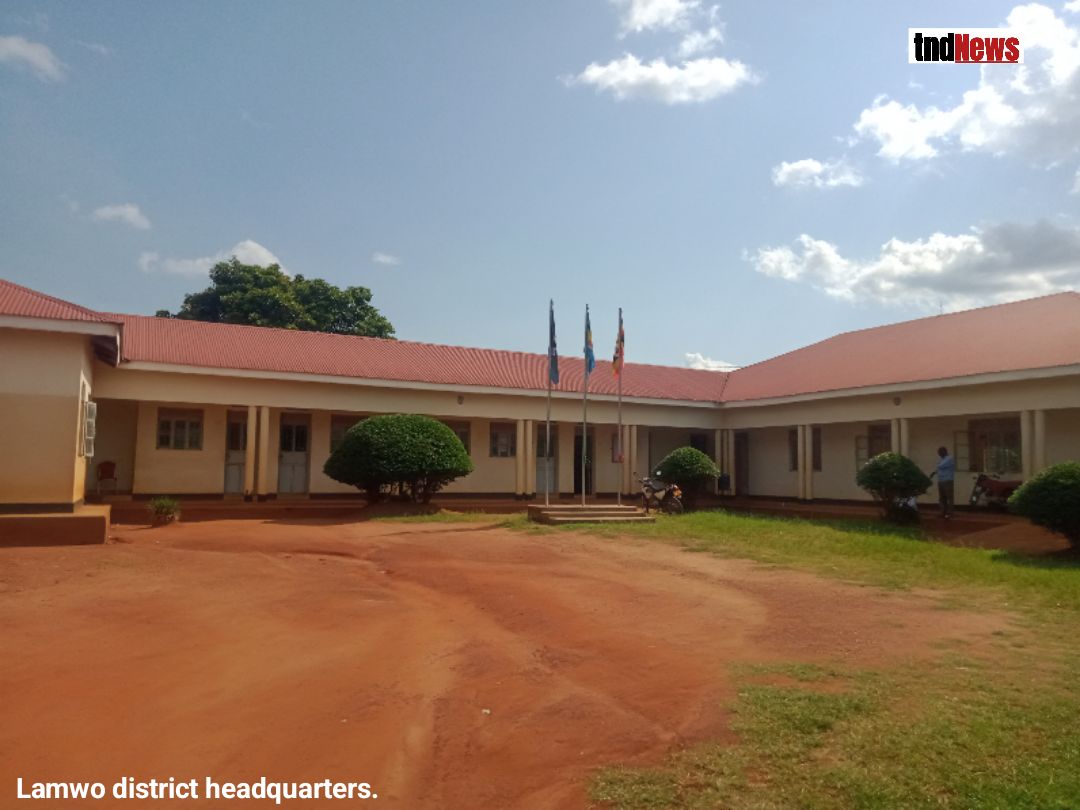
Lamwo | For generations, livestock symbolised wealth, status, and economic security across northern Uganda and families measured prosperity by the number of cattle, goats, and sheep they owned.
Additionally, livestock provided milk, meat, income, school fees, and a financial safety net during difficult times.
The Lord’s Resistance Army (LRA) insurgency, cattle rustling, and prolonged displacement stripped thousands of families of their livestock, leaving many households trapped in poverty long after peace returned.
Today, a government-led livestock restocking programme is helping communities rebuild what was lost, offering vulnerable households an opportunity to restore livelihoods, generate income, and create long-term wealth.
In Lamwo district, local leaders and residents are optimistic as the district prepares to benefit from the latest phase of the programme, which aims to restore livestock ownership and accelerate economic recovery across the Acholi sub-region.
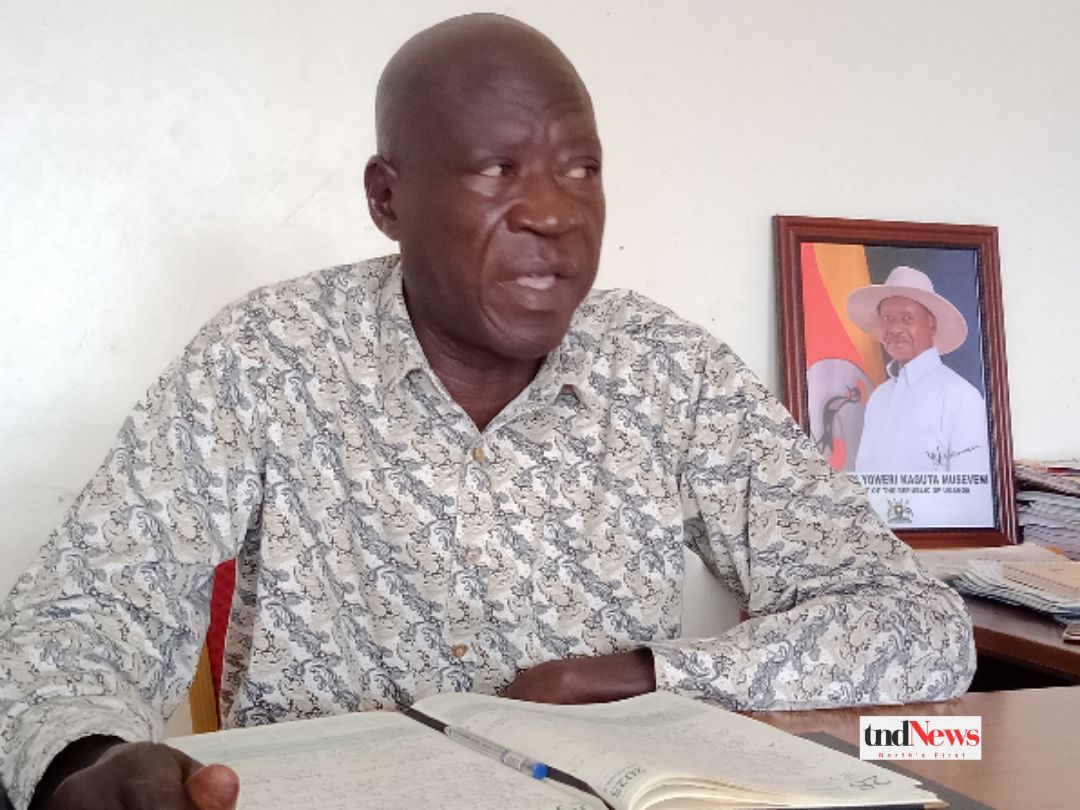
According to Lamwo Resident District Commissioner (RDC) William Komakech, the district has been allocated 516 beneficiaries under the current phase of the programme.
Authorities are currently finalising beneficiary lists for submission to the Office of the Prime Minister before the June 15, 2026 deadline.
For many residents, however, the initiative represents more than the distribution of animals. It is viewed as an investment in household wealth creation and a pathway toward rebuilding economic independence.
Livestock as a tool for wealth creation
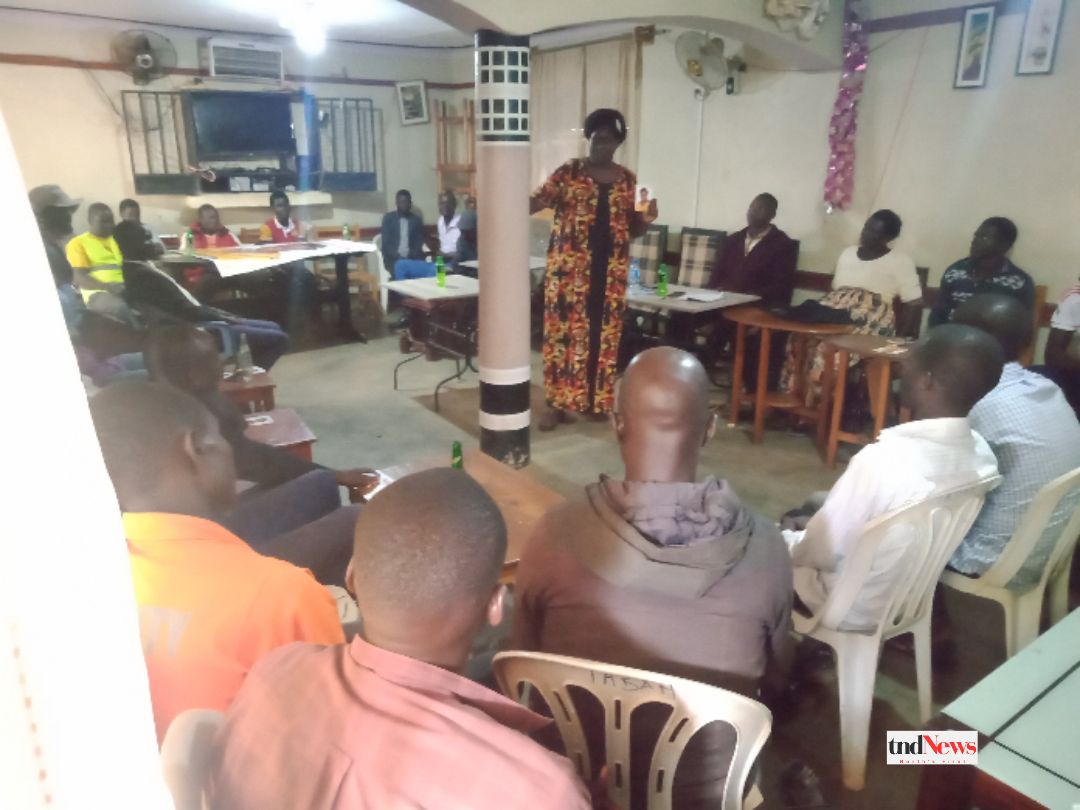
Lamwo district chairperson Oyet Sisto Ocen, says the programme comes at a crucial time when many families are still struggling to recover economically despite years of relative peace.
“Livestock has always been part of our way of life in Acholi and before the insurgency; many households depended on cattle, goats and sheep for survival. The conflict destroyed those opportunities, and some families have never fully recovered,” Oyet said.
He said the programme aligns with broader government efforts to promote household income generation and wealth creation at the grassroots level.
“If implemented properly, this programme can help families establish sustainable sources of income and livestock reproduces over time, creating assets that can be passed from one generation to another while supporting education, healthcare and household needs,” he explained.
Oyet stressed the importance of transparency during beneficiary selection to ensure the intervention reaches the most vulnerable households.
“We want communities to trust the process and the programme must benefit those who genuinely need support, thus, that is how we achieve meaningful economic transformation,” he added.
The history of livestock ownership in northern Uganda is closely tied to the region’s experience of conflict.
During the LRA insurgency, thousands of families were forced into internally displaced persons (IDP) camps. Many lost their animals through theft, disease, distress sales, or abandonment as they fled violence.
When families eventually returned home, many found themselves without the productive assets that had previously sustained their livelihoods.
Although crop farming remained a source of income, the absence of livestock reduced household resilience and limited opportunities for wealth accumulation.
The government’s restocking programme seeks to reverse that trend by helping families rebuild productive assets capable of generating long-term economic benefits.
More than animals, a financial investment
In Agoro sub-county, farmer Okello Patrick, 54, believes the programme could transform livelihoods if beneficiaries manage the animals responsibly.
“When we were displaced during the war, we lost everything and my father owned cattle, goats and sheep, but by the time we returned home, all of them were gone,” he recalled.
Okello says many households continue to rely heavily on subsistence farming, which has become increasingly vulnerable to climate change and unpredictable weather patterns.
“If a family receives cattle and manages them well, they gain access to milk, manure for crop production and calves that can later be sold for income and it creates another source of livelihood,” he said.
He urged beneficiaries to view the programme as a long-term investment rather than an opportunity for immediate financial gain.
“Some people may be tempted to sell the animals immediately, but that defeats the purpose and the goal should be to grow the herd and build household wealth over time,” he added.
Economic empowerment for women
Akello Docus, a mother of six from Potika sub-county, says livestock ownership has the potential to improve household welfare while increasing women’s economic participation.
“In many homes, women struggle to meet basic family needs because income sources are limited,” she said.
“Livestock can help us pay school fees, buy household necessities and improve nutrition through milk production,” she added.
Akello noted that women often shoulder the burden of supporting families during economic hardships and should therefore have equitable access to government livelihood programmes.
“I hope women, widows and other vulnerable households are given a fair opportunity to benefit and when a woman becomes economically empowered, the entire family benefits,” she said.
District leaders say the programme’s success will depend on proper monitoring and beneficiary commitment.
Authorities are considering measures requiring beneficiaries to retain livestock for a specified period before selling them, ensuring the animals contribute to long-term household development rather than short-term financial needs.
Veterinary officers are also expected to play a central role by providing disease control services, technical support and training in modern livestock management.
Agricultural experts argue that livestock alone cannot eliminate poverty. However, when combined with proper animal husbandry, veterinary support and access to markets, livestock can become a powerful engine for rural economic growth.
A symbol of recovery
Beyond the economic benefits, the restocking programme carries significant symbolic value for communities that endured years of conflict and displacement.
For many families in Lamwo, the sight of cattle grazing once again on community lands represents more than livestock ownership. It signals a return to stability, self-reliance and hope.
As the district prepares to implement the latest phase of the programme, expectations remain high among residents eager to rebuild livelihoods and restore lost opportunities.
In a region where memories of conflict remain vivid, the restocking initiative is increasingly being viewed as more than a government intervention.
It is a chance to rebuild household wealth, strengthen local economies and help families reclaim the economic independence that war once took away.
If implemented transparently and supported by strong community participation, local leaders believe the programme could become one of the most significant drivers of rural wealth creation and post-war economic recovery in Lamwo and across northern Uganda.
Discover more from tndNews, Uganda
Subscribe to get the latest posts sent to your email.