The leadership at Lira Regional Referral Hospital has strongly condemned certain cultural practices within the community that compromise health – specifically highlighting the dangerous practice of (cull/kwanyo gi dwon) in children.
“Kwanyo gi dwon” was condemned at a press briefing organized by the hospital management last week on Friday where health officials denounced cultural beliefs that still persist among the public, preventing many from seeking professional medical help.
Alongside false teeth extraction, the use of traditional herbs by mothers in rural homes have been discouraged.
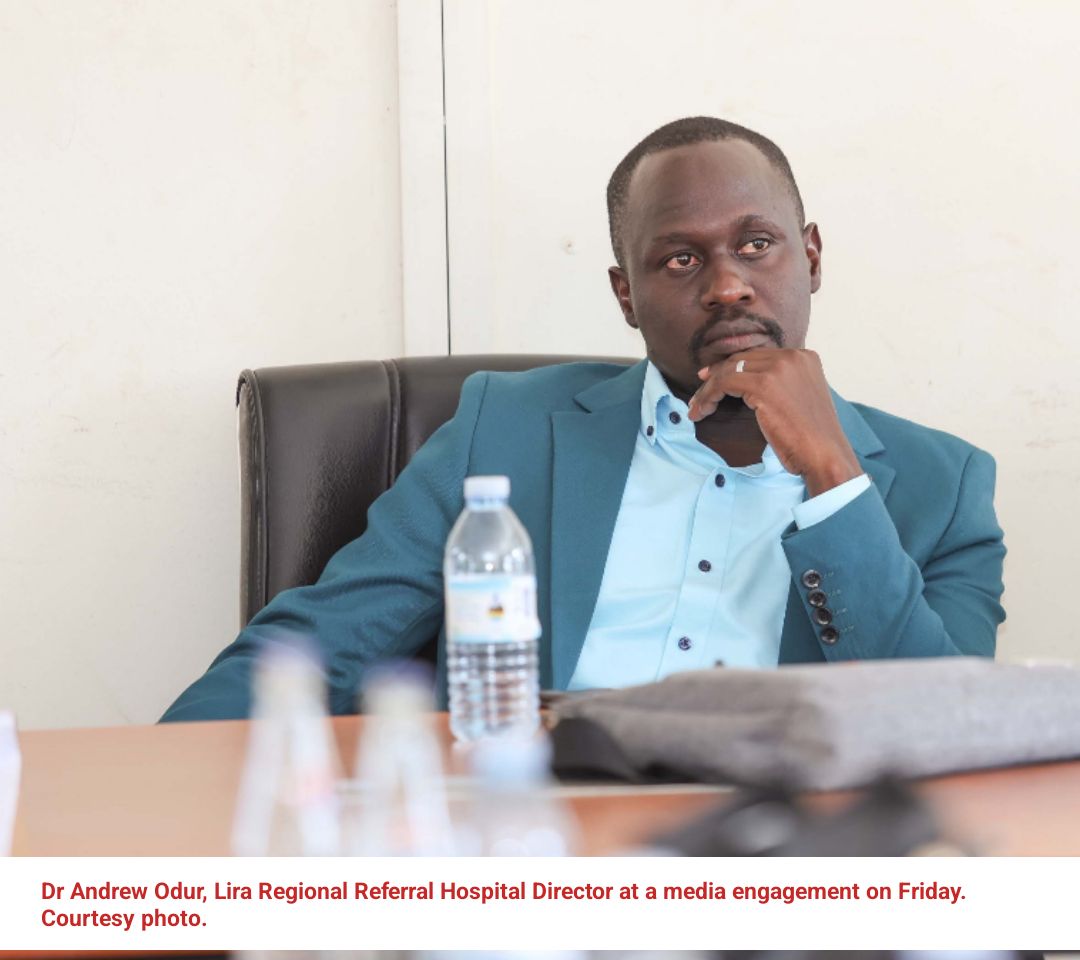
Dr. Andrew Odur, the Director of Lira Regional Referral Hospital, informed the press about the hospital’s status and the health department’s struggle against non-communicable diseases.
He noted that such practices put lives at risk and contribute to complications like malnutrition and cancers, among others.
Dr. Odur also informed the media that the hospital has successfully secured its land, measuring 10.4 acres, which has now been fully titled under the hospital’s name.
The hospital’s principal administrator, Peter Okello Odeke, stated that as leaders of the hospital, they are working hard to ensure they maintain cleanliness, provide adequate care to patients, and offer specialised services.
Their goal is to elevate the facility to the level of a national referral hospital to serve the people of Uganda better.
Dr. Ronald Misinde, a Consultant in Public Health, observed that there is still a gap in health literacy among the people of Lango regarding the advanced services the hospital offers, noting that many specialists are available to treat various conditions.
He specifically condemned the practice of extracting children’s teeth. He revealed that out of 50 children brought to the hospital after having their “false teeth” extracted by traditionalists, 33 of them passed away.
He urged the public to stop this practice immediately.
Bernard Ongora, the Head of the Clinical Department, stated that the diagnostic laboratory at Lira regional referral hospital is now at a very high standard, receiving samples for testing from across Northern Uganda.
He encouraged the journalists present to lead by example by undergoing “wellness checkups” to confirm the quality of the new medical equipment.
The Resident City Commissioner (RCC) of Lira City, Lawrence Egole, condemned individuals who use the internet to spread false information and propaganda, specifically those tarnishing the reputation of the hospital.
 Lira hospital began as a small dispensary in 1920. However, it has grown significantly under the leadership of Dr. Andrew Odur.
It now employs 320 staff members, including 35 doctors, and features a world-class laboratory built at a cost of shs2.6 billion, among other modern health facilities.
Discover more from tndNews, Uganda
Subscribe to get the latest posts sent to your email.