In the forgotten plains of rural communities of Northern Uganda, a region that has endured decades of conflict and poverty is now striving to rebuild but this time on a foundation of justice, gender equality and human rights.
Northern Uganda is no stranger to resilience after enduring over 20 years of brutal conflict with the Lord’s Resistance Army (LRA) and has faced the mammoth task of rebuilding lives and livelihoods.
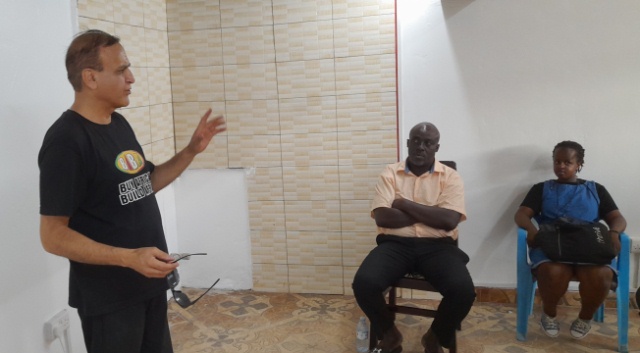
Stella Lanam, the Director War Victims and Children Networking Organization in Gulu revealed that the aftermath of the conflict has left scars deeper than physical wounds particularly among women and girls.
During the war, gender based violence was rampant; many women and girls were abducted, raped or forced into marriage with rebel commanders,” Lanam said.
Adding that, “even now in peace, we are still fighting but this time, it is a battle for our rights, dignity and inclusion in development.”
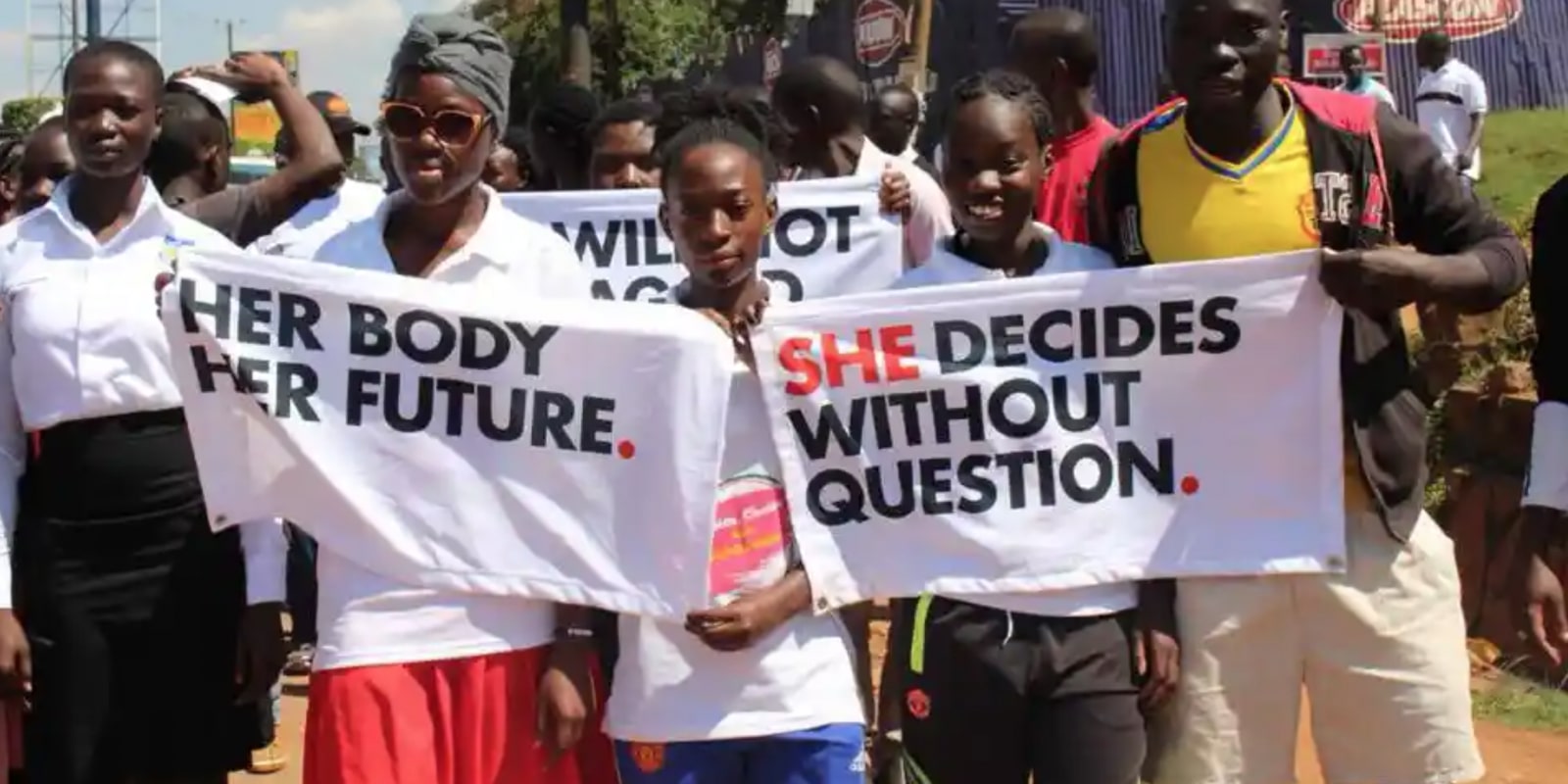
Post conflict Northern Uganda is marked by persistent gender disparities with access to healthcare, education and employment for women still lagging behind national averages coupled with high rates of adolescent pregnancy and gender-based violence becoming endemic.
According to the Uganda Bureau of Statistics (UBOS), nearly 56 percent of women in the region have experienced intimate partner violence, a figure significantly higher than the national average.
Anti-right pushes: A global trend harming local progress
Dr Angelique Nixon, Director of Sex & Gender Justice (CAISO), Trinidad & Tobago revealed that the resurgence of anti-gender and anti-rights movements are always exacerbated by a troubling global trend.
“These ideologies often promoted by conservative political, religious and international actors frame gender equality and LGBTQIA+ rights as threats to tradition, morality and national sovereignty,” Dr Nixon explained.
Adding that “anti-rights and anti-gender pushes are driven by conservative bodies that see equality as dangerous and these forces are sustaining patriarchal global orders through fear, misinformation, and control and countries in the Global South like Uganda are feeling the impact.”
Dr Nixon’s concerns are echoed across borders and in northern Uganda’s growing evangelical influence has aligned with anti-gender narratives imported from international conservative organizations.
In Uganda, the 2014 Anti-Homosexuality Act which originally sought the death penalty for same sex relationships was heavily influenced by foreign actors though struck down and its legacy still fuels homophobia and discrimination today.
In many parts of the world, in Uganda, gender inequality is a major barrier to health and wellbeing and northern Uganda’s maternal mortality rates remain among the highest in the country exacerbated by poor access to reproductive health services, cultural taboos and underfunded healthcare systems.
According to Shobha Shukla, Lead Discussant for SDG-3 at the UN HLPF 2025, the world cannot realize health targets like SDG-3 without achieving SDG-5 on gender equality and the right to health is inseparable from gender justice.
She, however, echoed that the need for a gender transformative and rights based health system like in vulnerable regions like Northern Uganda is critical and programs that focus only on service delivery without addressing underlying discrimination will continue to fall short.
In the region, community health workers report a recurring issue with young women and girls avoiding clinics due to fear of judgement or abuse especially when seeking contraception or abortion services.
HIV and health crisis: The need for inclusion and investment
While East and Southern Africa have made significant strides in fighting HIV with a 57 percent drop in new infections since 2010 progress remains fragile and Uganda’s HIV prevalence has declined but adolescent girls and young women remain disproportionately affected.
“HIV is not just a virus, it is a mirror reflecting our social and gender inequalities; criminalizing same sex relations, sex work and drug use pushes people underground making it harder to control the epidemic,” said Letlhogonolo Mokgoroane of Our Equity in South Africa.
Additionally, in northern Uganda, the fight against HIV is further complicated by rising donor fatigue and global funding cuts with clinics struggling to keep antiretroviral in stock and peer educators and grassroots organizations facing closure due to lack of funds.
The debate around sex work in Uganda remains controversial though it is criminalized, economic hardship especially in post conflict northern Uganda drives many women and queer individuals into the profession.
“Criminalization puts sex workers at risk of violence, extortion and rape often by police and full decriminalization is about human rights and it would allow sex workers to report crimes, access healthcare and live with dignity,” Pam Nsthehula of SWEAT in South Africa.
As Uganda and the world approach the 2030 deadline for the Sustainable Development Goals (SDGs), progress is dangerously off track particularly SDG 3 (health) and SDG (gender equality) are not just stalling but they are regressing.
Development justice demands more than just access but redistribution of power, recognition of rights and accountability from institutions and also ensuring that transgender persons, LGBTQIA+ individuals, sex workers, persons with disabilities, young people and indigenous communities like the Acholi people of Northern Uganda are not just included but empowered.
Discover more from tndNews, Uganda
Subscribe to get the latest posts sent to your email.