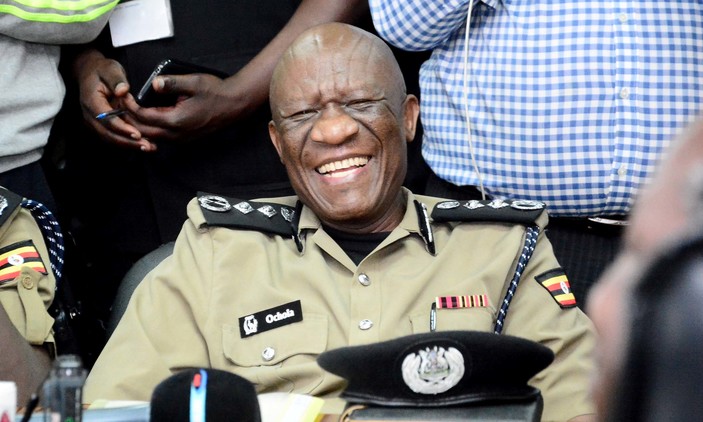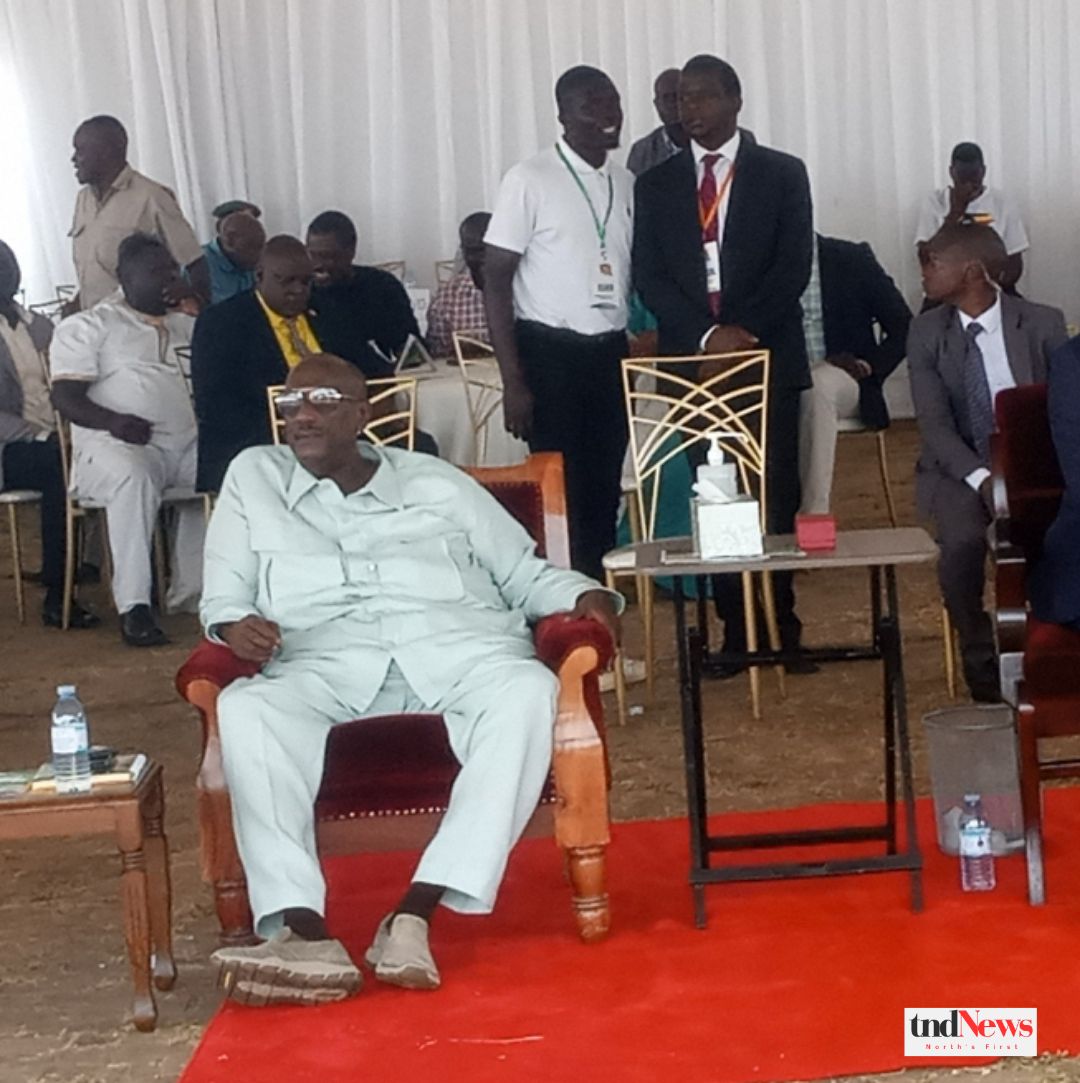
The Government of Uganda has secured a fresh financial injection of US$276 million from the World Bank to implement Phase IV of the Northern Uganda Social Action Fund (NUSAF IV).
Of this, US$250 million will be disbursed as loans while US$26 million comes as grant funding. The new phase promises to address persistent poverty in the Acholi sub-region and other parts of Northern Uganda through strategic investment in mechanized farming, agro-processing, and youth employment.
However, as the program rolls out, questions remain whether this multi billion-shilling project will make a tangible difference in the lives of communities that have endured poverty for decades, despite numerous similar initiatives.
For over 25 years, the government, in partnership with the World Bank and other donors, has injected trillions of shillings into northern Uganda under different recovery programs including previous phases of NUSAF yet, the Acholi sub-region remains plagued by high poverty levels, unemployment, and food insecurity.
The first NUSAF phase, launched in 2003 with US$133 million, prioritized infrastructure development building 2,693 classrooms, 40 dormitories, 63 science labs, nine libraries, 20 nursery schools, 19 vocational training centers, and 1,221 teacher houses. However, it paid limited attention to building household livelihoods.
Phase II, launched in 2010 with a reduced budget of US$100 million, shifted focus to peace recovery and development across 40 conflict-affected districts including Acholi, Lango, Teso, Karamoja, West Nile, Elgon, Bunyoro, and Bukedi.
The third phase (NUSAF III), implemented with US$130 million, reportedly supported 1,470 groups in 425 villages with an estimated 3,460 direct beneficiaries. Despite these interventions, critics say the impact on poverty levels remains minimal.
NUSAF IV, approved by Cabinet and slated for rollout within the 2025/2026 financial year, aims to support 667,000 households in 4,064 parishes reaching an estimated 31 million people. The project is also expected to create 21,000 youth-led self-employment enterprises across the region.
Prime Minister Robinah Nabbanja has assured the public that NUSAF IV will prioritize household income improvement over infrastructure.
“This phase will not construct schools or health centers but will inject money directly into households, targeting intensive agriculture,” she said during a regional address in Gulu last year.
Dr. Kenneth Omona, State Minister for Northern Uganda, confirmed that extensive consultations have been underway since 2022.
“Cabinet has approved the US$276 million funds from the World Bank. The focus now is on stimulating local production by funding community micro-projects and supporting value-added ventures to grow local economies,” he said.

Despite the promising goals, concerns persist regarding the effectiveness of government programs in the north. Many projects have been criticized for poor implementation, lack of community ownership, and widespread corruption.
Odong Geoffrey Ojibo, a political and governance analyst, noted that up to 50% of funds from previous phases may have benefited the people, but the remainder was marred by the creation of ghost beneficiaries and funds diverted for personal gain.
“The cost of administration and coordination should not exceed 25% of the total budget,” he cautioned.
Odong further warned against expanding NUSAF IV to regions like Bugisu and Bunyoro that were not directly affected by the northern conflict.
“Such expansion dilutes the core purpose of the fund,” he said. He emphasized that meaningful change will only come when communities are involved in project identification and implementation.
In 2024, a high-level closed-door meeting was held at Bomah Hotel in Gulu City, organized by Gen. Caleb Akandwanaho (also known as Gen. Salim Saleh), Chief Coordinator of Operation Wealth Creation (OWC).
The meeting brought together leaders from the Greater North and sought to set new priorities for the upcoming NUSAF phase. Discussions centered on promoting mechanized farming, agro-processing, and the establishment of mini-factories in every sub-county.
Kilak North MP Anthony Akol, who chaired the meeting, emphasized the need for local production. “We must embrace mechanization and partner with companies to process our products locally and eliminate exploitation by middlemen,” he said.
Akol revealed that continued insecurity, land disputes, cattle rustling, and street children (locally known as Aguu) still hinder the sub-region’s development.
In a candid moment during the meeting, Gen. Saleh asked leaders if the war in Northern Uganda had truly ended.
“The war is still going on, not in guns, but in land wrangles, poverty, and youth disempowerment,” Akol recounted.
MP Martin Ojara Mapenduzi, who coordinated the meeting, pointed out delays in fund disbursement caused by the Ministry of Finance’s failure to submit a request to the National Planning Authority.
He assured the public that follow-up meetings, including one in Kampala with OPM officials and World Bank representatives, had resolved the bottlenecks.
“We’ve finalized financial resolutions, and the next step is to sign agreements with the Office of the Prime Minister, OWC, and World Bank to begin implementation,” Ojara said.
Gen. Saleh reiterated that the core mission of OWC is to transition poor households into commercial agriculture and large-scale enterprises.
However, he expressed disappointment over the underutilization of NUSAF-funded infrastructure. For instance, a large store built in Pabbo, Amuru District, has been leased cheaply to a soda company instead of serving as a produce storage hub.
“The problem is poor monitoring and oversight from Resident District Commissioners (RDCs) and other officials. Government funds are being wasted while some officials sleep on duty,” Saleh lamented.
He called on security agencies to actively monitor projects and warned against allowing opposition voices to derail government efforts.
Prime Minister Nabbanja expressed optimism that the renewed focus on household-level interventions would make a difference.
“This phase is about livelihoods. We want to transform northern Uganda from subsistence living to a money economy,” she said.
Dr. Omona also noted that the next phase would prioritize productive investments, especially in agriculture and small-scale enterprise development.
“The goal is to empower communities with capital inputs and value additional technologies that can reduce poverty at the village level,” he said.
The government estimates that more than three million people in the Greater North will benefit from the project, which will include access to agricultural inputs, equipment, and start-up capital for small enterprises.
Justine Lumumba, Minister in Charge of General Duties in the Office of the Prime Minister, confirmed that the US$276 million has already been included in the national budget for 2025/2026, signaling a green light for implementation.
Despite past challenges, the government and development partners appear committed to making NUSAF IV a turning point for the Acholi sub-region and other parts of Northern Uganda. However, the success of the project will depend largely on transparency, community involvement, efficient coordination, and strong political will.
As the project moves into its implementation phase, the people of northern Uganda remain cautiously hopeful. Many agree that this could be the last chance for meaningful change after decades of broken promises and missed opportunities.
Whether or not NUSAF IV will finally break the cycle of poverty in Acholi will depend not just on the size of the funding, but on how honestly and effectively it is spent.
Discover more from tndNews, Uganda
Subscribe to get the latest posts sent to your email.