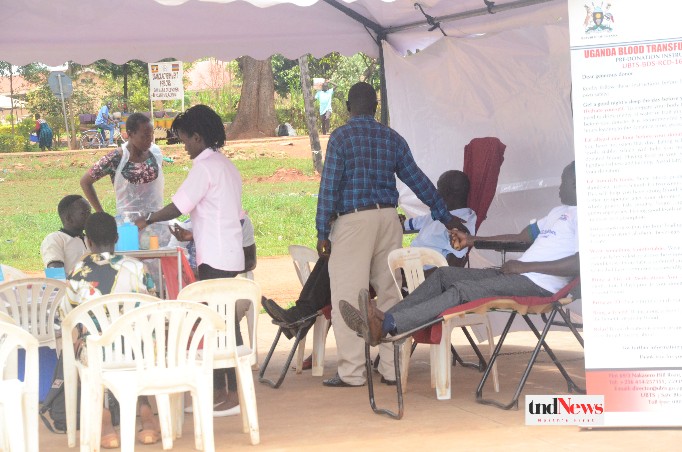
Gulu Regional Blood Bank has issued a passionate appeal to residents of Gulu City to make blood donation a regular part of their lives to help save lives and address the region’s ongoing blood shortages.
In an interview with tndNews, Ochedi Mike, the Blood Donor Recruitment Officer in Gulu, revealed that the response to blood donation within the city remains alarmingly low, despite Gulu being one of the biggest consumers of blood in the region.
“Surprisingly, most of the blood we collect comes from outside the city, yet we are the ones who use it the most. This should be a wake-up call—none of us knows who will need blood next,” said Ochedi.
He noted that his team works tirelessly to ensure there is no shortage, but the demand for blood remains high, especially across hospitals in the Acholi sub-region.
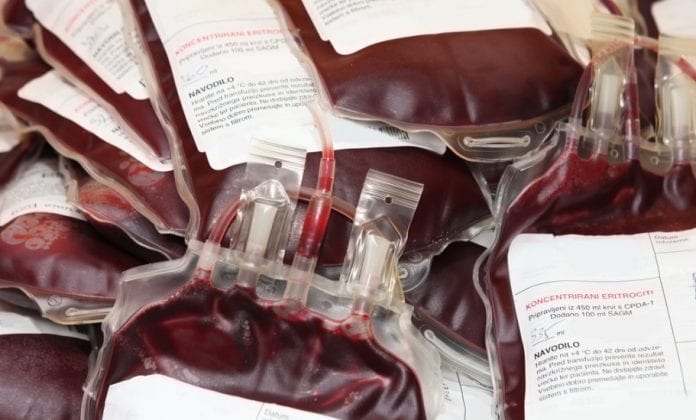
The blood bank currently requires about 2,800 units of blood per month, yet on average, they collect only 2,400 units, particularly during school holidays when regular student donors are unavailable.
“We supply blood to the entire Acholi sub-region, as well as parts of Kiryandongo, Adjumani, and the Lango sub-region. Lacor Hospital is currently the largest consumer, collecting blood up to three or four times a week, depending on patient demand,” he added.
Ochedi emphasized that if every city resident donated blood at least once a year, Gulu could achieve a self-sustaining blood supply, reducing reliance on emergency donations and saving countless lives.
Peter Oketa, a laboratory technician at the blood bank, explained that around 11% of collected blood is discarded due to infections, contamination, or insufficient volume.
He highlighted that secondary school students and community women have been the most reliable donors, but their absence during holidays significantly reduces collection numbers.
He also pointed out that the dry season poses a unique challenge: “High temperatures increase mosquito breeding, leading to more malaria cases and therefore higher demand for blood.”
Blood donation has multiple benefits, including screening for transmissible diseases such as HIV, syphilis, and hepatitis, and helping donors learn their blood type and health status.
Anena Cynthia Treasure, Public Relations Officer at Lacor Hospital, reaffirmed the facility’s partnership with the blood bank. “Children under 12 with severe anemia, malaria, leukemia, C-section mothers, accident victims, and surgical patients are among the highest consumers of blood,” she said.
She noted that during emergencies, eligible attendants, students, and even doctors are screened and encouraged to donate. “Students meet up to 95% of the demand when in session, but this drops to around 65% during holidays,” she added.
Lacor Hospital continues public sensitization through radio talk shows and community engagements, urging more people to donate.
Witness Odongo, a blood bank official, reminded the public that donation is voluntary. “Unlike medicine, blood can’t be manufactured—it must be donated. We are the only source,” he said.
Mike Ocen, a regular donor, shared his motivation: “I donate every three months. I’ve felt the pain of losing a loved one due to blood shortage. Donating not only saves lives—it also keeps me healthy and informed about my own status.”
According to health experts, blood transfusion is a costly service, with each safe unit costing about $45 USD to prepare and deliver.
The Uganda Blood Transfusion Service (UBTS), under the Ministry of Health, regulates and ensures safe blood availability across the country, especially in rural Health Centre IVs, where the need is often greatest.
Discover more from tndNews, Uganda
Subscribe to get the latest posts sent to your email.