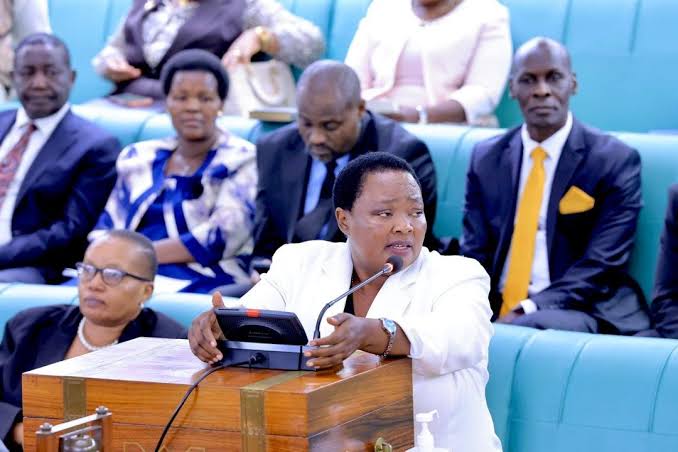
Prime Minister Robinah Nabbanja has raised concerns over the way Uganda Revenue Authority (URA) enforcement teams handle imported goods, revealing that some traders are being subjected to repeated inspections even after their consignments have been cleared. Addressing Parliament on November 19, 2026, she said goods approved by one URA team are sometimes intercepted again by another team at subsequent roadblocks, creating frustration and extra costs for businesses.
Nabbanja said the Government had taken note of complaints from traders and directed URA to review how its enforcement teams are deployed and coordinated. She wants the authority to eliminate unnecessary duplication and ensure that businesses that have fulfilled their tax obligations can transport their goods without facing repeated interruptions.
The Prime Minister’s remarks come after Kampala traders closed their shops on November 17 in protest against what they described as excessive taxes on imported textiles and garments, lengthy customs clearance procedures and aggressive enforcement. The business community has argued that these challenges make it increasingly difficult and expensive to import and sell merchandise.
However, Nabbanja also explained that tax evasion has contributed to the increased enforcement operations. She told MPs that some traders reportedly import goods through neighbouring Kenya, pay taxes there and later transport the merchandise into Uganda in smaller quantities using buses, boda bodas and three-wheeled tuk-tuks. According to her, this practice has caused Uganda to lose revenue that would otherwise have been collected.

She acknowledged that URA needs to prevent tax evasion but stressed that enforcement must not become a burden to compliant traders. Businesses that have already completed customs procedures should not be made to pay the price for the actions of people attempting to avoid taxes. Repeated inspections can lead to delays, transport expenses, storage charges and losses, particularly for small traders who depend on selling their stock quickly.
President Yoweri Museveni is expected to meet URA officials and other enforcement agencies on November 23 to discuss the concerns. Government is also considering a review of taxes on imported textiles and garments to bring Uganda’s tax framework closer to that of other East African Community countries. Nabbanja told Parliament that the President had asked traders to suspend their strike as Government prepares to address the matter through Cabinet.
The controversy has also raised questions about the implementation of regional customs arrangements designed to make trade easier across East Africa. Under the Single Customs Territory framework, goods can be cleared at the first point of entry, with the relevant destination-country taxes handled before the cargo proceeds under regional tracking arrangements. Traders say repeated checks after clearance undermine the purpose of such systems, although URA maintains that verification is necessary to detect under-declaration and other customs offences.
Deputy Speaker Thomas Tayebwa asked Nabbanja to return to Parliament with an update after Cabinet discussions and further engagement with traders. Government now faces the challenge of balancing revenue collection with the need to protect legitimate businesses from unnecessary delays. Whether the planned meetings will produce meaningful changes to taxation and customs enforcement could determine whether traders return to business with confidence or face the same frustrations again.
Discover more from tndNews, Uganda
Subscribe to get the latest posts sent to your email.