To meet tribal needs and revive eroding culture and traditions, the Chope tribe is now working to form its own cultural chiefdom.
As part of the effort, the tribe has embarked on mobilising its different subjects, including clan heads, to push efforts towards the cause.
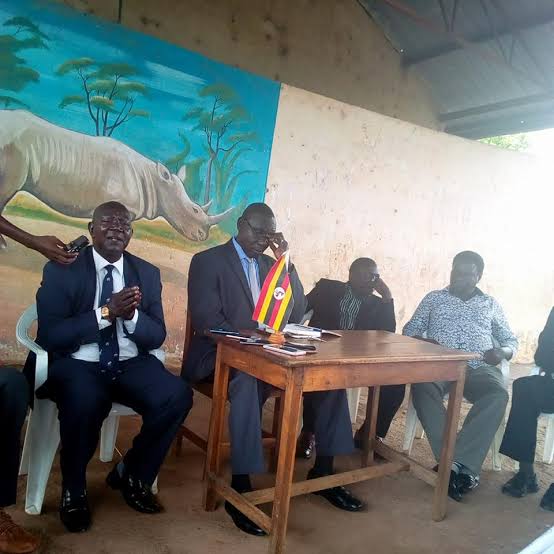
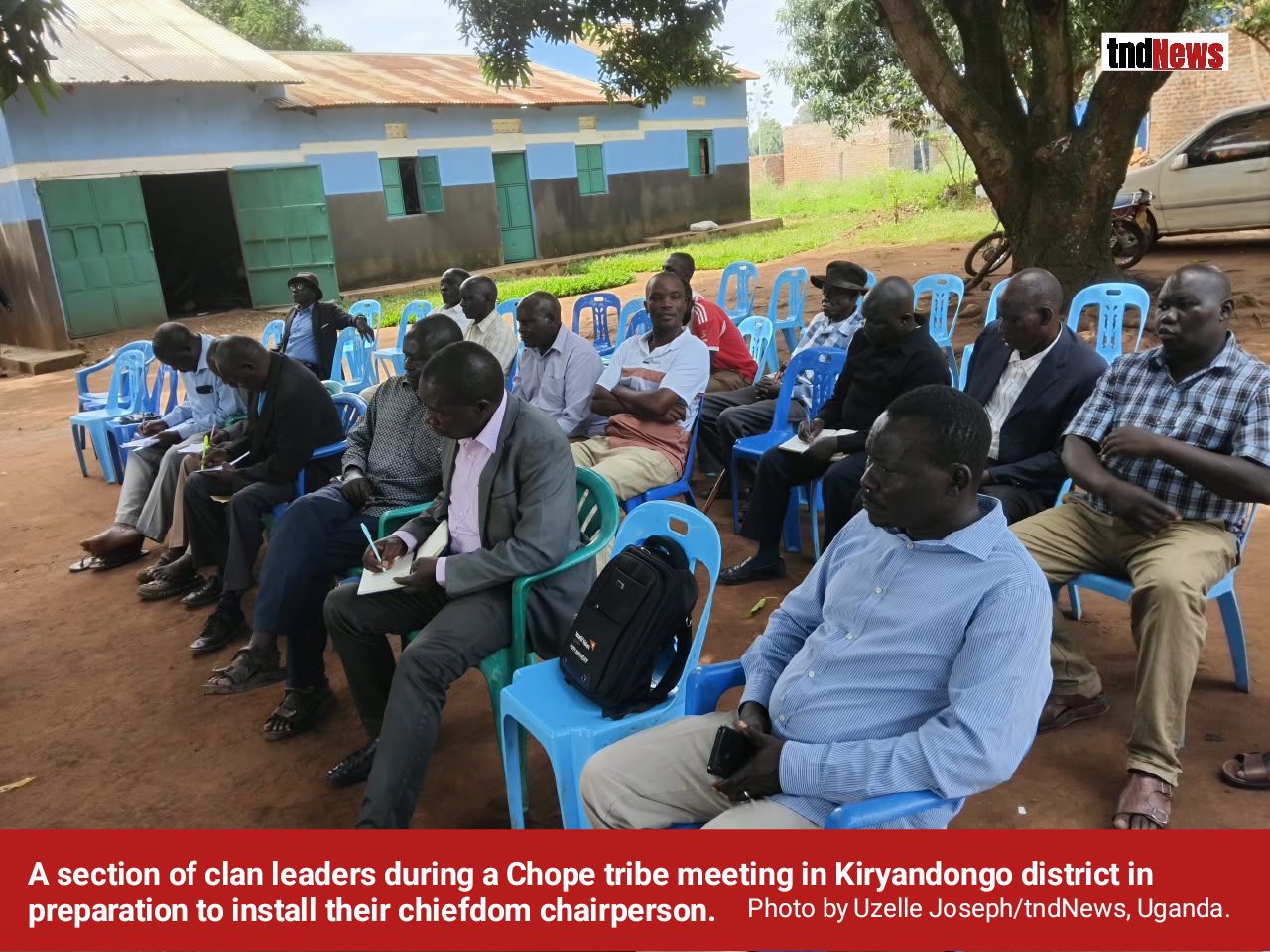
On Tuesday evening, a total of 65 clan leaders in Kiryandongo district met to prepare to elect their chairperson who shall head all the clans of Chope Chiefdom.
Some of the 65 clans include Chubu, Biito, Basingo, Baziira, Bakonya, Dubup, Dukot, Kwonga, Dupalabek, Dulyemu, among others.
Chope tribe which is also called Paluo, is ethnically part of the larger Nilotic (Luo) group, with its origin from Bahr el Ghazal in South Sudan.
Currently, they are geographically located in Kiryandongo district, historically Greater Kibanda, along the Victoria Nile in mid-western Uganda.
Tuesday’s clan leaders’ meeting cited an urgent need to have a supreme clan head (chairperson) under a well-formed chiefdom, citing that their culture and traditions are eroding, but also threatened with extinction.
According to them, culture and traditions are on the verge of permanent disappearance if not addressed due to the influx of migrant communities and intermarriage among Choape indigenous communities with other tribes.
“Having our chiefdom boosted will help us also to revive our indigenous foods and seeds, but also promote culture and continue to promote traditional dances, games and music,” clan heads, including Bishop Oner Robert Atwooki of Chubu and Kabuji Santo Akiiki of Biito, said
“We can continuously preserve our traditional dances like the Bwera-a courtship dance, Opere-a harvest celebration, Unde-a meditation dance and Ntogoro-a ceremonial royal dance,” they said.
During the same meeting, clan heads said that the chiefdom is currently at the centre of a prominent cultural sovereignty movement, wanting to have an independent chiefdom with an enthroned leader like in Acholi, Lango, Alur, Teso, Bugisu, Kumam, and Buruli.
They cited Article 246 of the 1995 Constitution of Uganda, which permits communities to self-govern their cultural destiny.
The Chope chiefdom is engaging the Ministry of Gender, Labour, and Social Development to secure independent recognition as a distinct cultural institution from the central government.
It is out of this background that the clan heads resolved to return next week on Saturday, December 5, 2026, for the general meeting and election of the supreme clan heads to be called “chairperson.”
Brief about Chope/Paluo
The Chope chiefdom, historically also referred to as the Kibanda Chope Chiefdom or Paluo Tekwaro) is a traditional, semi-autonomous cultural entity of the Bachope (Paluo) people.
Currently, they are centered in the Kiryandongo district, historically Greater Kibanda along the Victoria Nile in mid-western Uganda, with unique historical and cultural intersection between Nilotic and Bantu identities.
Origins and the Babiito dynasty link
Ethnically, Chope is part of the Larger Nilotic Luo migration that originated from Bahr el Ghazal in South Sudan in the 11th Century but settled near the Victoria Nile, currently in northern Bunyoro, during their Southward movement due to a major faction split.
The name Chope derived from the local lore, which suggested that when early Luo settlers arrived, they found mostly women left behind after the mysterious exit of the Bachwezi rulers.
They remarked in Luo, “coope kany”, meaning “there are no men here”; thus “, Chope” evolved.
Foundational kinship
According to oral history, a Luo woman named Nyatworo (associated with the Paluo) married Prince Kyomya of the Bachwezi dynasty.
Her children, including Isingoma Mpuuga Rukidi I, went on to establish the Babiito Dynasty of Bunyoro Kitara, as well as the royal lineages of neighbouring Buganda and Busoga.
Linguistic and cultural historians credit the Paluo with introducing the practice of praise names (nying paak or paako).

This was later adopted across western Uganda as the famous Empaako naming tradition, like Ateenyi, Abwooli, Amooti and Abooki, especially among the “ntu” speakers.
Discover more from tndNews, Uganda
Subscribe to get the latest posts sent to your email.