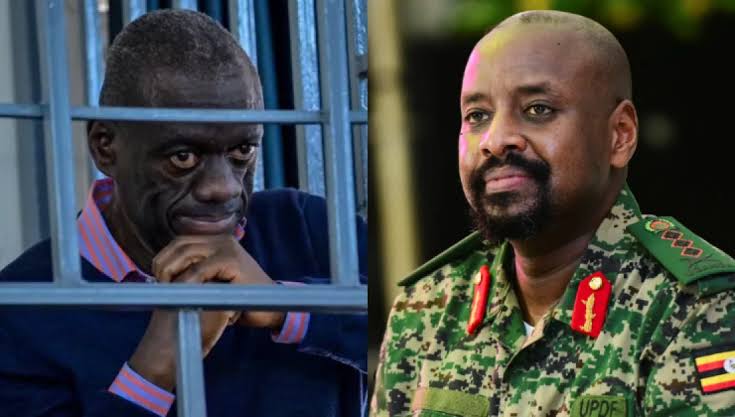
The proposed talks involving Gen. Salim Saleh, jailed opposition figure Dr Kizza Besigye and other political actors have sparked fresh debate, with political commentator and writer Kakwenza? No—writer and academic [Serunkuma] arguing that the government must first address Besigye’s case before discussing power-sharing arrangements.
In an opinion article published by The Observer, Serunkuma questioned the timing of Gen. Saleh’s reported efforts to promote dialogue and consociational democracy, a system in which different political groups share power. He argued that the government cannot meaningfully discuss political inclusion while prominent opposition figures remain excluded from the political process.
Serunkuma pointed out that Besigye is in prison while National Unity Platform leader Robert Kyagulanyi, also known as Bobi Wine, is in exile. He questioned who would participate in a proposed power-sharing arrangement when some of the opposition’s most influential figures are unable to freely engage in politics.
The writer also challenged the reported decision to use religious leaders as intermediaries in efforts to reach Besigye. He acknowledged Crispin Kaheru’s argument that dialogue often begins through intermediaries who establish contact and build confidence before formal negotiations. However, Serunkuma maintained that Besigye’s family could be approached directly, particularly because his wife, Winnie Byanyima, had publicly questioned whether any negotiations were taking place.

Another major concern raised in the article was the credibility of the case against Besigye and his co-accused, Hajji Obeid Lutale. Serunkuma referred to allegations involving intelligence officers, claims of fabricated evidence, the alleged abduction of lawyers and contradictions in evidence presented by prosecution witnesses.
He argued that these controversies have weakened public confidence in the prosecution’s case and that the government should make a clear decision on whether to continue with the trial or abandon it and address the grievances surrounding Besigye’s arrest and detention. He insisted that if the government chooses to make amends, an apology would be more appropriate than presenting the matter as negotiations.
The article also responded to Crispin Kaheru, a Uganda Human Rights Commission member and associate of Gen. Saleh, who had defended the use of intermediaries in dialogue processes. While acknowledging that intelligence misconduct allegations require independent scrutiny, Serunkuma argued that the wider question of credibility and accountability cannot be ignored when discussing reconciliation.
Serunkuma ultimately proposed that the government first resolve the Besigye matter and address the concerns of political actors in exile before moving to broader power-sharing discussions. In his view, an honest apology, accountability for any proven wrongdoing and efforts to restore political trust should come before negotiations on consociational democracy.
Discover more from tndNews, Uganda
Subscribe to get the latest posts sent to your email.