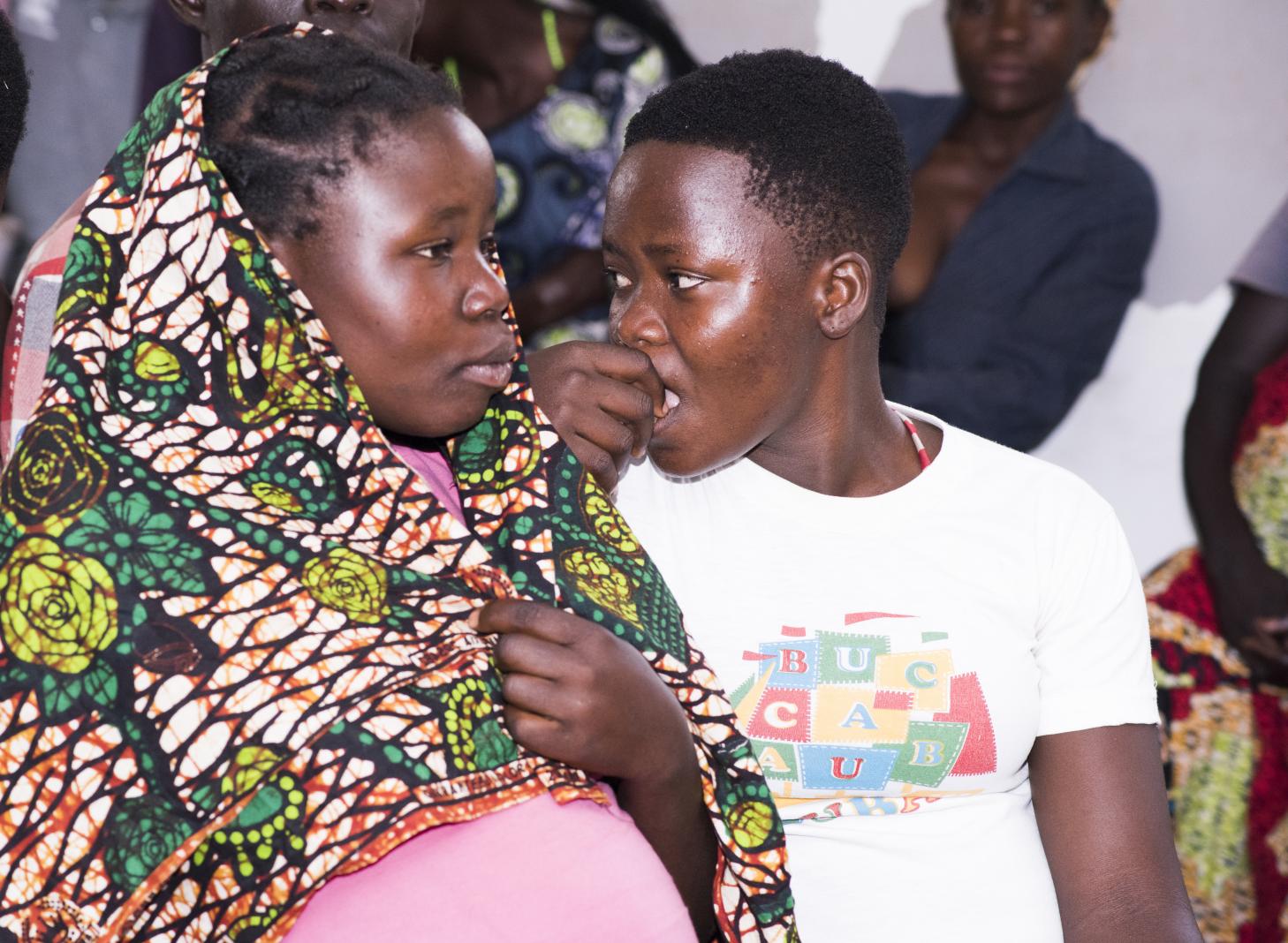
Mirriam Mutesi, a social worker and human rights advocate with Women’s Probono Initiative, has attributed teenage marriage in parts of Acholi to poverty, harmful cultural beliefs and inadequate awareness of the consequences of the practices.
Mutesi said some families continue to view girls as a source of wealth through marriage payments, potentially encouraging early marriages and interrupting girls’ education.
She urged parents and guardians to prioritise their daughters’ welfare and education instead of treating them as an economic resource.
Tracy Nabale, the legal officer at the same organisation, called for increased community sensitisation to challenge practices that expose girls to early marriage and pregnancy.
Nabale said parents, cultural leaders and other community members needed to work together to protect girls’ rights, promote gender equality and ensure that girls had the same opportunities as boys to complete their education.
Also read: Modern PACE bicycles to fight teenage pregnancy in Acholi
The organisation has raised concern over reports indicating that teenage pregnancy and early marriage affect between 30% and 50% of adolescent girls in parts of the Acholi sub-region.
However, the precise geographical coverage, timeframe and methodology behind these estimates require further verification before they can be treated as representative regional statistics.
Tolit Tony Blair, Lamwo LC5 chairperson, also raised concern about girls dropping out of school and young mothers facing difficulties in raising children, particularly where family relationships break down.
He said some children were left in the care of their grandmothers after their mothers entered marriages that later failed, highlighting the wider family responsibilities that can follow early relationships and parenthood.
Tolit calls for stronger parental guidance and responsible adult role models, warning against sexual relationships involving children.
He said adults and community leaders must guide young people and protect them from circumstances that could jeopardise their education and wellbeing.
Stakeholders say keeping girls in school requires more than urging them to avoid early pregnancy and marriage.
Families must provide guidance and support, schools must remain accessible, and communities must challenge beliefs and practices that place girls at a disadvantage.
LC5 chairperson Blair said parents who could afford to support school development should continue making voluntary contributions, while insisting that children should not be excluded from learning because their families could not pay.
Discover more from tndNews, Uganda
Subscribe to get the latest posts sent to your email.