A decline in foreign aid is posing a threat to Kenya’s gains against combating HIV/AIDs. While a UN report lists Kenya among the top seven Countries close to ending the HIV scourge, freezes in foreign funding threaten to derail progress.
Latest reports indicate that Kenya records atleast 54 new HIV infections each day. Strained resources and a high cost of alternative care threatens to further water down milestones achieved in the fight against HIV/AIDS.
While the Kenya’s Ministry of Health announced a raft of mitigation measures including boosting commodity stocks like basic testing kits and primary Anti-retroviral drugs (TLD), shortage of specialised reagents is still a major drawback.
The supply of HIV commodities in Kenya is adversely affected by the US Government’s withdrawal of funding for HIV programs in 2025.
This has not only impacted negatively on access to HIV care but also triggered treatment rationing, affected Viral load tests, routine monitoring such as CD4 counts ,treatment delays and shortage of free public sector Condoms.
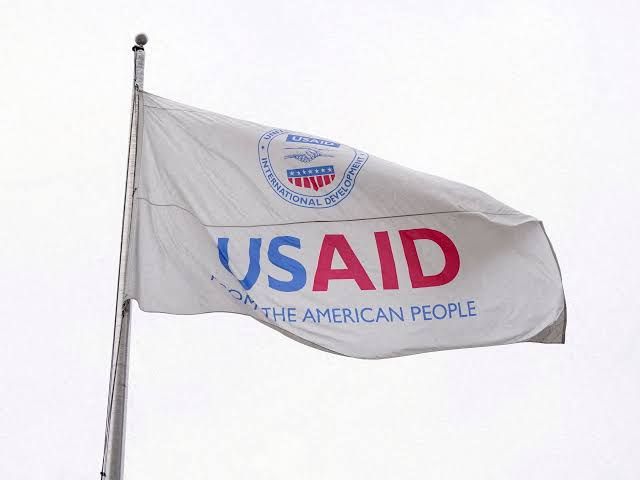
A UNAIDS report indicate that an 18% decline in Global HIV funding may trigger 3 millon more infections by 2030. Defunding of community led programs following the halting of USAID funding saw several HIV outreach programs disrupted leading to closure of critical HIV and Aids programs.
The United States Agency for International Development (USAID) funding cut resulted to the loss of $2.5 Billion in foreign funding. The foreign assistance played a significant role in Kenya’s HIV/Aids treatment and mitigation measures.
While the UNAids report indicate that Kenya is drawing closer to 90% in combating new HIV infections, 18% drop in Global HIV funding may reverse gains achieved in the fight against HIV/AIDS.
The report released in the ongoing 26th International AIDS Conference in Rio de Janeiro, Brazil, Kenya was recognised for its efforts in increasing domestic funding towards HIV programs.
The NSDCC report highlighted that mother to Child HIV transmission account for 22 % of all new HIV infections in 2025.
This signals the importance of channeling more resources towards HIV mitigation measures especially domestically to bridge the gaps left due to Global HIV funding cuts.
The surging numbers are attributed to strained resources that has resulted to crowded access to care Acute shortage of commodities aimed at combating. Besides disruptions in combating the spread of HIV /AIDS, viral load testing is the hardest hit with patients having to fork out upto Kshs 3000.
By Nyawalo Orony George
Discover more from tndNews, Uganda
Subscribe to get the latest posts sent to your email.