Fresh concerns over human-wildlife conflict have emerged in northern Uganda after an elephant on Tuesday, October 20, 2026, injured a resident in Kitgum district, days after a series of fatal attacks in neighbouring Agago district left three people dead and two others injured.
The incidents have renewed calls for urgent intervention by wildlife authorities to protect communities, safeguard livelihoods and prevent further loss of life in areas where people and elephants increasingly come into contact.
In the latest incident, Kal Okwera, 31, was injured at about 4:00am on Tuesday in Lulia West village, Lunganyura parish, Orom sub-county, Kitgum district.
The Resident District Commissioner, Segawa Jimmy Ebil, said Kal Okwera was attempting to scare away elephants by beating jerrycans when one of the animals approached him from behind and attacked him.
Okwera was rushed to Namokora Health Centre IV, where he was receiving treatment. A report from the facility indicated that his condition was stable.
Segawa urged residents to avoid confronting elephants without assistance from wildlife authorities, warning that the animals can be extremely dangerous when provoked.
The Kitgum incident comes against the backdrop of a deadly series of elephant attacks in Agago district, where communities have reported deaths, injuries and extensive destruction of crops.
Reports from Agago indicate that three people were killed and two others seriously injured in separate elephant attacks within five days, intensifying fears among residents who depend on farming for their livelihoods.
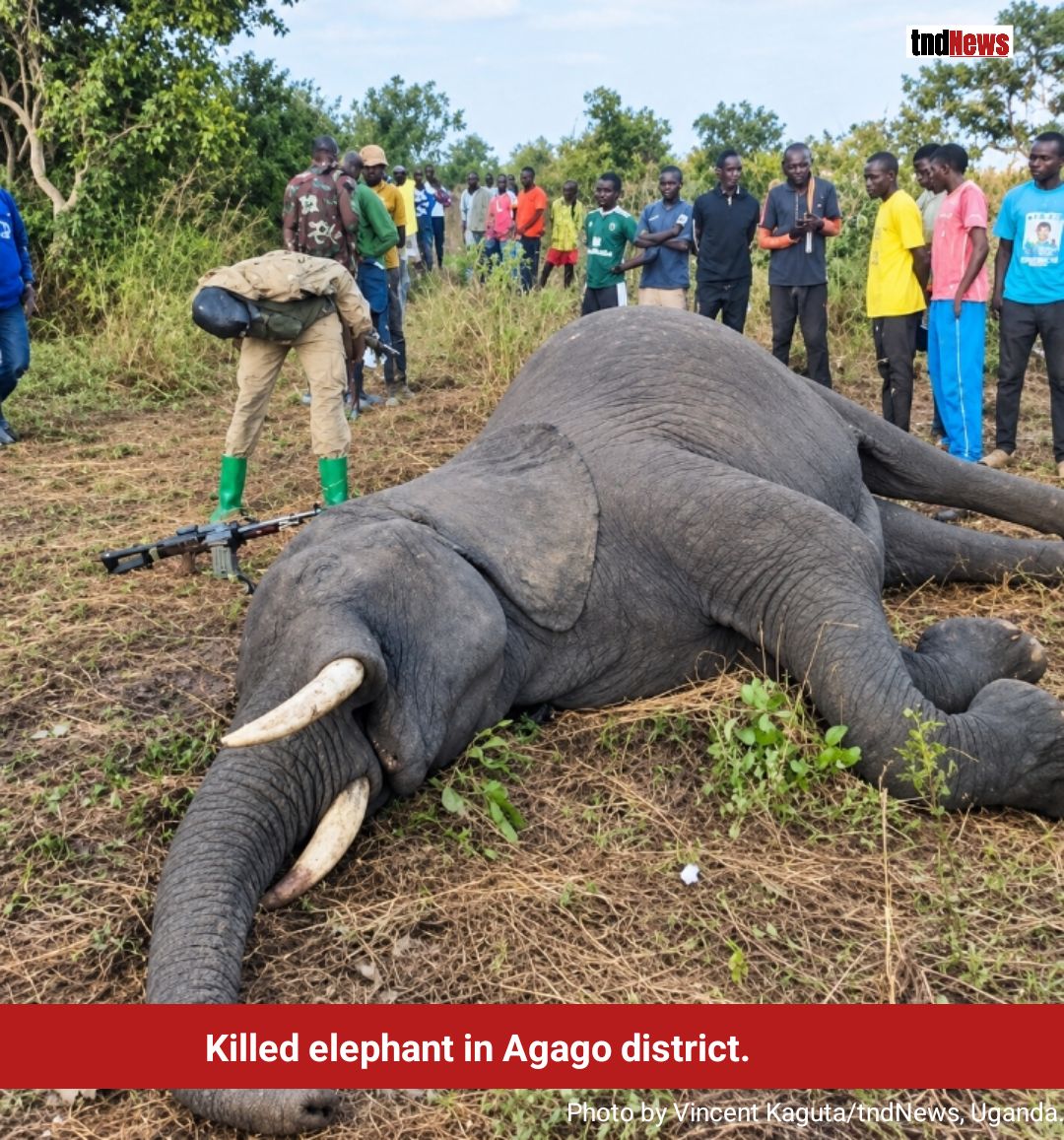
On October 14, two elephants were reportedly found dead in Bwol village in Lukole sub-county and Te-Obiya village in Lapono sub-county following renewed attacks on communities.
The deaths of the animals prompted investigations by the Uganda Wildlife Authority (UWA) into the circumstances surrounding the incident.
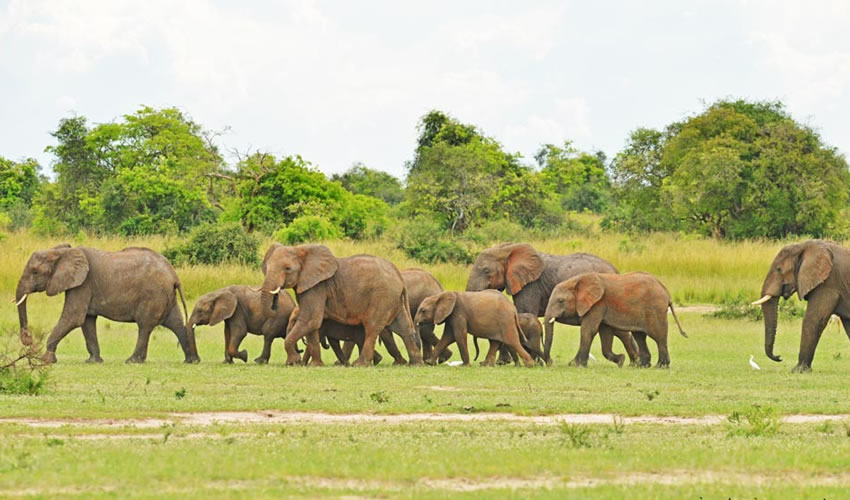
According to reports from the area, a herd of more than 70 elephants believed to have strayed from Kidepo Valley National Park entered residents’ gardens on October 13, killing 32-year-old James Erin and 15-year-old Palex Oyo.
Two other residents, 60-year-old Rose Awor and 16-year-old Robert Mwaka, sustained serious injuries during the attacks. The latest deaths followed another reported fatal elephant attack on October 12, in which 16-year-old Oyoo Marachiliano was killed.
Agago district LC5 chairperson Wilson Otto has called for urgent government intervention, including the installation of an electric fence to reduce encounters between elephants and communities.
Residents have also reported extensive destruction of gardens, with more than 180 acres of cassava, maize, sorghum, pigeon peas and sunflower reportedly affected. More than 203 families are said to have suffered losses.
The destruction threatens household food supplies and income in communities where agriculture remains a major source of livelihood.
The Kidepo conservation manager, Dr Eric Enyel, confirmed the incident involving the dead elephants and said investigations had started.
Enyel urged residents to report sightings of wild animals to the relevant authorities and work with UWA and the Uganda People’s Defence Forces rather than taking matters into their own hands.
Enyel said: “The killing of protected wildlife is an offence under Uganda’s wildlife conservation laws, and authorities are investigating the circumstances surrounding the deaths of the two elephants.”
The incidents in Kitgum and Agago illustrate the difficult balance between protecting human lives and conserving wildlife. While residents face the immediate danger of attacks and crop destruction, retaliatory actions against elephants also raise conservation and legal concerns.
Tony Ogwal, a resident of Orom sub-county, called for practical measures that go beyond warnings against confronting wildlife.
These could include timely responses to reports of elephants approaching homes and gardens, improved communication between communities and wildlife authorities, and assessment of suitable barriers in high-risk areas.
Residents also need clear guidance on how to respond when elephants enter settlements or farmland, particularly at night or in the early morning, when visibility is limited, and encounters can become dangerous.
The recent incidents have placed renewed attention on the need for coordinated action by UWA, district leaders and security agencies to identify recurring elephant movement routes and develop appropriate responses.
For families in Kitgum and Agago, the immediate concern is preventing another attack. Without effective measures to manage encounters between people and elephants, residents fear that further injuries, deaths and destruction of crops could deepen tensions between communities and wildlife authorities.
The challenge facing authorities is to ensure that communities can live and farm safely while protected wildlife is conserved.
Discover more from tndNews, Uganda
Subscribe to get the latest posts sent to your email.