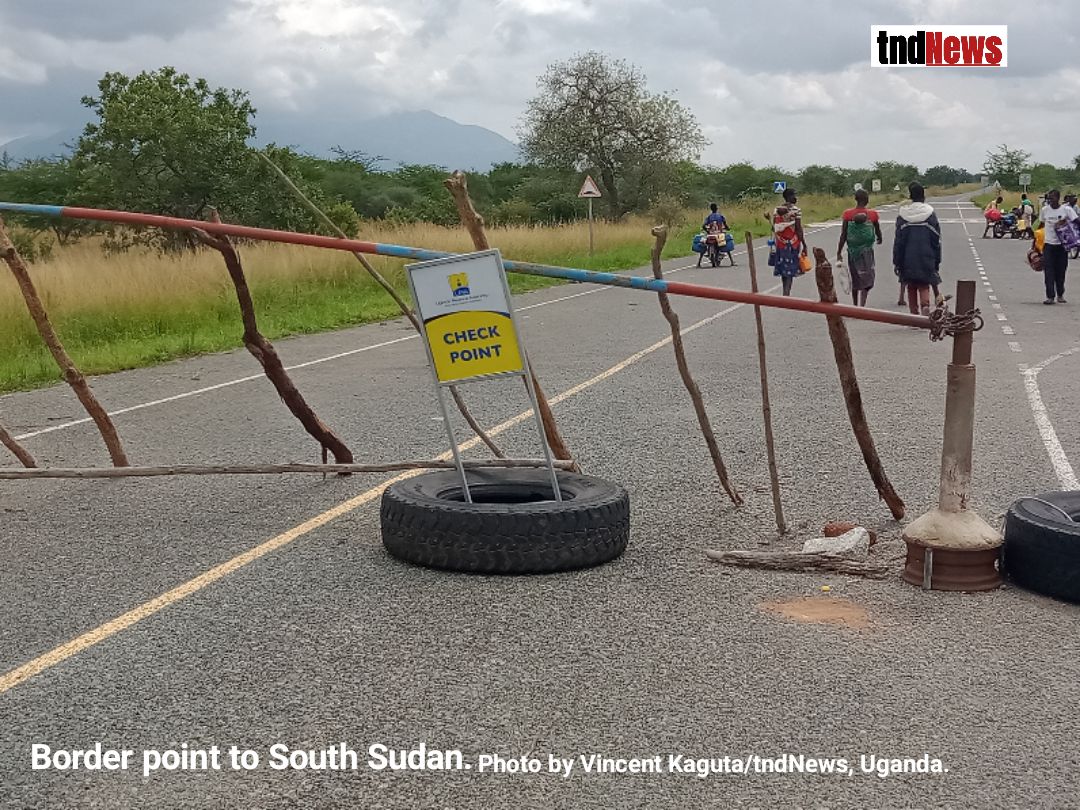
The planned revival of the Apiriti Border Livestock Market in Madi Opei sub-county, Lamwo district, is raising fresh hopes of restoring trade, improving household incomes and strengthening economic links between communities in northern Uganda and neighboring South Sudan.
For years, Apiriti has held the potential to serve as an important trading point for livestock and other goods because of its location along the Uganda-South Sudan border.
However, insecurity, weak communication networks, inadequate infrastructure, taxation concerns and limited coordination among stakeholders have continued to constrain its growth.
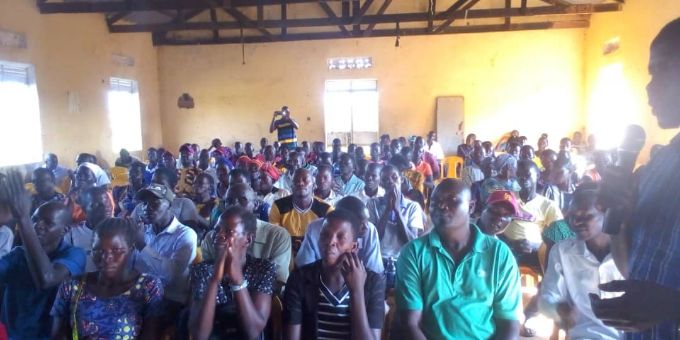
District leaders, traders, livestock dealers and technical officers now want those challenges addressed as Lamwo moves to operationalise the market on a weekly basis.
The district has resolved that the market will operate every Friday, beginning in September 2026, providing farmers and livestock traders with a regular platform to buy and sell animals. Stakeholders believe a functioning market could create a wider economic chain extending beyond livestock to transport, accommodation, food vending, retail trade and other small businesses.
Lamwo district LC5 chairperson Oyet Sisto Ocen said the revival would provide farmers and traders from Uganda and South Sudan with a predictable market for their livestock while contributing to the district’s locally raised revenue.
The market is expected to attract traders and customers from Apiriti and surrounding areas, including Budo, Kapyeta, Tseretenya, Madi Opei town council, Madi Opei sub-county and Agoro.
The revival is also being viewed as an opportunity to reconnect communities that have historically depended on cross-border commerce for their livelihoods.

For farmers, livestock is not merely a commercial commodity. Cattle sales can provide money for food, clothing, education, healthcare and other household needs. A reliable market therefore has the potential to improve the ability of rural families to convert livestock into income when they need it most.
Lamwo District Production Officer Ochira Wilfred said Apiriti already has some of the basic facilities required for livestock trading, including livestock offloading facilities, water, veterinary services, toilets and offices for production and veterinary departments.
He said a vibrant livestock market could benefit farmers beyond the immediate sale of animals because money generated from livestock transactions is likely to circulate within the local economy.
Livestock sellers, for example, may use their earnings to buy food, grain, clothing and other household necessities. This creates business opportunities for shopkeepers, food vendors, transport operators and other service providers.
The anticipated economic benefits have made the market’s revival a matter of broader community development rather than simply reopening a place where cattle are bought and sold.
But stakeholders acknowledge that infrastructure alone will not guarantee the success of Apiriti.
Security remains one of the most pressing concerns. Lamwo Resident District Commissioner William Komakech assured livestock traders that security agencies would provide 24-hour security at the market to protect traders and livestock dealers operating between Uganda and South Sudan.

His assurance followed concerns from Okwanga Geoffrey, Chairperson of the Greater Acholi Animal Traders Association, who said insecurity along the border continues to threaten livestock businesses.
Okwanga said some traders travelling to South Sudan to purchase cattle have faced ambushes, leading to the loss of animals and money. Such incidents can have a wider effect on cross-border commerce because traders are unlikely to invest heavily in an area where they feel their lives, animals or capital are at risk.
For Apiriti to develop into a dependable regional market, stakeholders say security must therefore extend beyond the physical market site to the routes used by livestock traders. Komakech also called for taxation measures that would encourage rather than discourage cross-border livestock trade.
He appealed to the Uganda Revenue Authority to consider a tax-free period of at least two months to allow traders to establish themselves as the revived market gains momentum.
He also proposed reasonable and harmonised tax rates, particularly for traders who purchase livestock and return home without engaging in additional transactions.
The taxation question is important because the cost of moving livestock across borders can influence whether traders choose formal markets or alternative trading channels.
A market that is intended to increase local revenue must first remain attractive enough for traders to use it. Stakeholders have consequently called for clear, predictable and affordable regulations to help traders understand their obligations and avoid unnecessary disputes.
Veterinary regulation is another area requiring attention. Madi Opei town council veterinary officer Ojuko James said Ugandan regulations prohibit the sale of sick animals.
He explained that healthy animals that remain unsold are recorded and can be sold on the next market day, while animals taken back without proper records may attract applicable charges.
Ojuko also called for clearer regulation concerning veterinary permits and Uganda Revenue Authority requirements. These measures are important for protecting livestock buyers, farmers and the wider market from the spread of animal diseases while ensuring that legitimate traders are not unnecessarily frustrated by unclear procedures.
The Apiriti market site has already been gazetted by the Ministry of Agriculture, Animal Industry and Fisheries, providing a basis for its formal operation.
However, traders say the market will need more than formal recognition to become sustainable. Icaa Evelyn, a businesswoman operating in Apiriti, said better information sharing would be essential, particularly between traders in Uganda and South Sudan.
She observed that previous stakeholder engagements had largely involved Ugandan participants and called for South Sudanese traders to be more directly involved in future discussions.
Her concern points to one of the central issues facing the market: a cross-border market cannot reach its full potential if one side of the border is not adequately involved in its planning and management.
Greater participation of South Sudanese traders could help build confidence, improve communication and ensure that market arrangements reflect the needs of traders on both sides.
Achiro Evelyn, another trader, called for an open and inclusive market that allows traders and customers from different areas to participate.
Also read: Improved goat breeds transform livestock farming in Yumbe
The call for inclusion is particularly significant because the success of Apiriti will depend on the size and diversity of its trading network. Stakeholders also want the surrounding community to benefit from the opportunities created by the market.
Lamwo District Secretary for Finance and Administration, Odur Justine Peace, said the community should play a key role in developing the area.
She called for temporary accommodation facilities, hotels and other businesses to support traders and visitors who come to Apiriti, arguing that the area should not remain dependent on livestock trading alone.
This could gradually transform the market from a livestock trading point into a wider commercial centre.
As traders arrive, there could be demand for restaurants, shops, transport services, accommodation, mobile money services and other businesses.
Such expansion could create employment opportunities, particularly for young people and women in the surrounding communities.
The lack of reliable communication infrastructure, however, remains another obstacle.
Oyet said poor network connectivity at the border affects communication and coordination between Ugandan and South Sudanese traders.
He said he would engage the Uganda Communications Commission to address the problem.
Komakech also said improved internet connectivity was expected in the border area and pledged to follow up so that border points and surrounding communities could benefit from better communication services.
For modern businesses, reliable communication is no longer a luxury. Traders need to communicate with buyers, sellers, transporters and relatives, while government agencies need effective channels for coordination and information sharing.
Poor connectivity can therefore increase transaction costs and make it more difficult for traders on either side of the border to plan their activities.
Electricity is another challenge.
Nyero Felix Lawii, Madi Opei sub-county LC3 Chairperson, said the absence of electricity has limited business and institutional operations in the area.
He said the sub-county had already written to the electricity service provider seeking an extension of power to Apiriti and called on the district to support the follow-up.
The market’s revival will therefore require coordinated investment in infrastructure if the anticipated economic benefits are to be realised.
Sanitation and access to water have also been raised.
Apire Everest, a member of the cross-border trade committee, called for additional sanitation facilities and a closer water source, saying the existing two-door toilet and distant water point may not be sufficient for a busy market.
As the number of traders and customers increases, sanitation facilities will become increasingly important in maintaining a safe and healthy trading environment.
Stakeholders are also concerned about how the market will be managed.
Lamwo District Commercial Officer Kadugu Powel Alex said the district would register the business community and encourage traders to form cooperatives to strengthen their businesses.
He proposed a market management committee involving traders, livestock dealers, market vendors, security representatives, LC1 leaders, sanitation and hygiene officials, community development officers and veterinary officers.
Such a committee could provide a platform for resolving disputes, coordinating market activities, communicating government requirements and identifying emerging challenges before they undermine the market.
Stakeholders have also called for the establishment of a cooperative to strengthen the organisation of traders and improve their ability to engage collectively with authorities.
Lubangakene Nelson, Lamwo District Secretary for Production, Marketing and Natural Resources, Works and Technical Services, urged businesses already operating around Apiriti to take advantage of the market’s revival and expand their enterprises.
He said the market could increase local revenue while improving household incomes and stimulating businesses on both sides of the border.
However, stakeholders have cautioned that careful planning will be necessary to ensure that the weekly market does not compete unnecessarily with other livestock markets in neighbouring districts.
Odur Justine Peace urged authorities to hold regular stakeholder meetings and carefully select market days to avoid clashes with other markets.
Proper coordination, she said, would help attract more buyers and sellers to Apiriti and maximise its economic potential.
The history of Apiriti shows why such coordination matters.
Nyero said the market was established in 2014, with facilities including market stalls, toilets and a designated livestock sales area already in place. However, its full operation was delayed by several challenges, including insecurity, poor network connectivity and lack of electricity.
The area had previously hosted a cross-border market on the 17th and 18th of every month.
The latest effort to revive Apiriti therefore represents a renewed attempt to turn existing infrastructure and its strategic border location into a functioning economic opportunity.
For the initiative to succeed, however, stakeholders will have to address the problems that contributed to the market’s earlier difficulties rather than simply reopening the trading space.
That means making security a sustained priority, improving roads and communication, ensuring adequate water and sanitation, providing reliable electricity, simplifying taxation and veterinary procedures, and involving traders from both Uganda and South Sudan in decision-making.
It will also require the surrounding community to see the market as its own economic opportunity.
If properly managed, Apiriti could become more than a place where livestock changes hands. It could serve as a link between farmers and markets, stimulate small businesses and provide an important avenue for communities on both sides of the border to engage in legitimate commerce.
The planned weekly Friday market is therefore being watched closely by farmers, traders, local leaders and businesses that hope to benefit from renewed activity.
Its success will ultimately depend on whether the commitments made by authorities are translated into practical improvements on the ground.
For Lamwo, the revival of Apiriti presents an opportunity to turn a dormant border trading point into a more organised and inclusive commercial hub—one capable of supporting farmers, creating business opportunities, strengthening cross-border relations and contributing to the district’s economic development.
The challenge now is to ensure that the market does not merely reopen, but remains open, secure, accessible and commercially viable for the communities it is intended to serve.
Discover more from tndNews, Uganda
Subscribe to get the latest posts sent to your email.