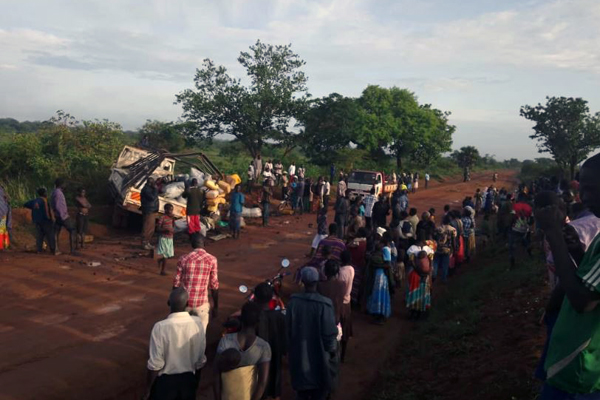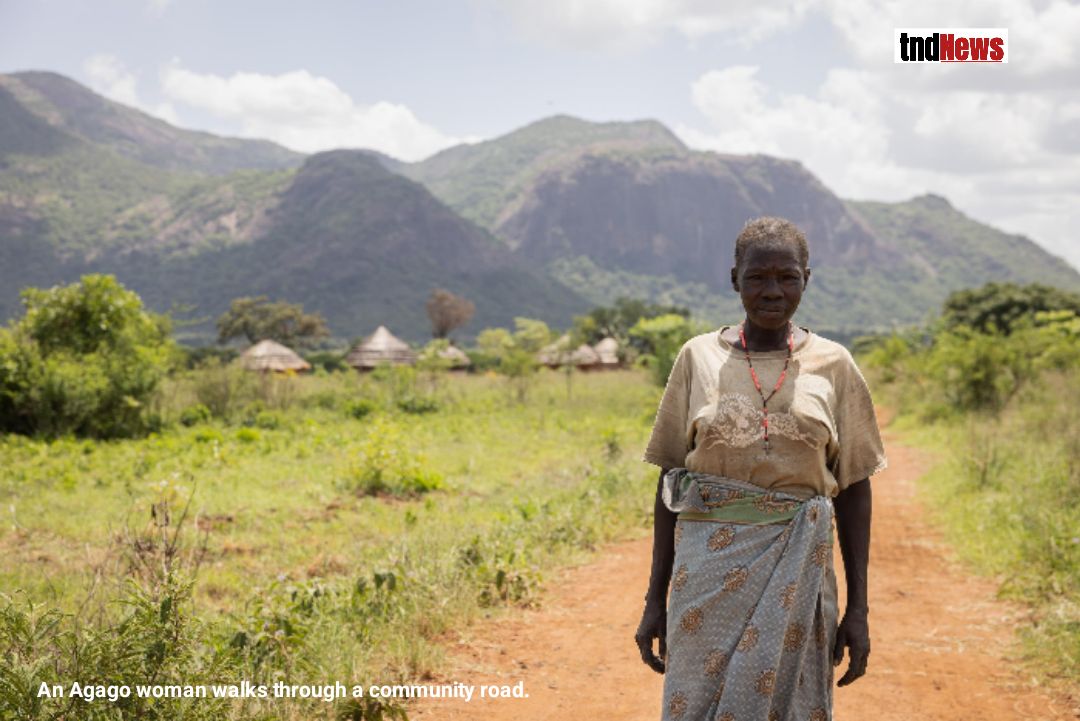
For many residents of Agago district, travelling on dusty, rough roads has been a way of life for decades.
During the rainy season, roads become muddy and nearly impassable, while in the dry season, dust and potholes slow transport and increase the cost of doing business.
This reality has prompted district leaders to renew calls for the government to prioritise road infrastructure, arguing that better roads are critical to unlocking the district’s economic potential.
Speaking during a meeting of the Acholi Local Government Leaders Forum in Gulu City recently, Agago district LC5 chairperson Wilson Otto said Agago remains one of the few districts in Uganda without a single tarmac road.
“If there is any district in this country that has never seen a tarmac road, it is Agago district. We only hear about tarmac roads from our neighbours,” Otto said.
He appealed to the government to fast-track the construction of the Moroto–Agago road, saying the project would improve connectivity between the Acholi and Karamoja sub-regions while opening up new opportunities for trade, tourism and investment.
According to Otto, improved roads would enable farmers to transport agricultural produce more efficiently to markets in Gulu City and other parts of the country, reducing post-harvest losses and transport costs.
He noted that poor road infrastructure continues to hinder service delivery, increase vehicle maintenance costs and discourage private investment in the district.
The appeal comes as leaders across Acholi push for increased government investment in infrastructure as a foundation for economic transformation and regional integration.
For residents, the absence of paved roads is more than an infrastructure challenge; it affects daily life. Opio Albino, a produce trader in Patongo town council, said poor roads increase transport costs, reducing the profits farmers and traders earn from their produce.
“Sometimes transporters charge us almost twice as much during the rainy season because the roads become difficult to pass. By the time we reach the market, much of the profit has already been spent on transport,” Opio said.
He believes a tarmac road would attract more buyers and encourage businesses to invest in Agago.
Farmer Abal Sam, from Omot sub-county, said bad roads have become one of the biggest obstacles to agricultural development.
“We produce maize, simsim, beans and groundnuts, but taking them to bigger markets is expensive. Some traders refuse to come to our villages because the roads are poor. A good road would improve our incomes,” he said.
Abal added that poor road conditions also make it difficult for farmers to access agricultural inputs, extension services and mechanised farming equipment.
Residents also say road infrastructure affects access to education and healthcare. Akello Pamela, a resident of Agago district, said patients and expectant mothers often struggle to reach health facilities during emergencies because of poor roads.
“When someone falls seriously ill at night or during heavy rain, transport becomes very difficult. Better roads would save lives because ambulances and other vehicles could reach villages more easily,” she said.
Akello added that school-going children also face difficulties travelling to school during the rainy season when many community roads become flooded or impassable.
The call for improved road infrastructure was made during a meeting of the Acholi Local Government Leaders Forum, where district leaders agreed to strengthen joint advocacy on issues affecting the sub-region, including roads, food security, climate resilience and environmental protection.
Development economists say transport infrastructure is one of the key drivers of rural economic growth because it lowers transport costs, connects farmers to markets, attracts investment and improves access to public services.
Improved road networks also support tourism, facilitate emergency response and strengthen trade between neighboring districts and regions.
For Agago, leaders believe the proposed Moroto–Agago Road would not only connect Acholi to Karamoja but also create new opportunities for commerce, livestock trade and regional integration.
As the government continues investing in national infrastructure, residents say extending tarmac roads to historically underserved districts would help bridge development gaps and unlock the economic potential of northern Uganda.
For many people in Agago, the dream of seeing their first tarmac road is about more than asphalt. It represents easier movement, better markets for farmers, quicker access to health services and a stronger foundation for the district’s long-term development.
Agago district was created on July 1, 2010, from Pader district.
Discover more from tndNews, Uganda
Subscribe to get the latest posts sent to your email.