Adjumani district is facing a deepening public health crisis, with at least four children feared dead from suspected rabies.
Government health facilities have struggled with a prolonged shortage of anti-rabies vaccines.
Community reports indicate that the suspected deaths, linked to dog bites, have occurred across Arinyapi, Leanguru, Nyabila, and Itirikwa sub-counties, raising alarm over what local leaders describe as a silent but preventable tragedy.
Despite repeated warnings, district officials confirm that Adjumani has gone for nearly two years without receiving government supplies of anti-rabies vaccines, crippling both emergency treatment and routine animal vaccination programmes.
“My son could have been saved,” said Caesar Ingavure, a resident of Aliwara who lost his child to suspected rabies last year. “The vaccine was not available in the government facility, and we could not afford private treatment.”
Further inquiries reveal that private health facilities remain the only option for victims, but the cost of treatment is beyond the reach of most households in the district.
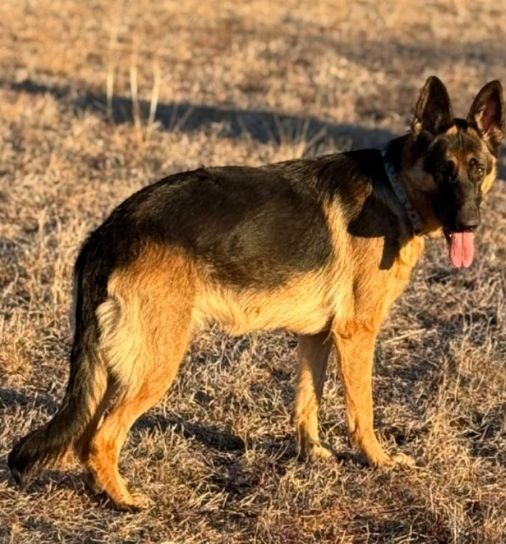
Local leaders say dog attacks are becoming increasingly frequent, compounding the crisis.
Charles Edema Drabe, LC1 chairperson of Aliwara village, recounted a recent incident in Oruangwa village where a stray dog attacked seven people in a single morning.
“Those victims survived because they got treatment in time,” he said. “But we have already lost children. The government must act before more lives are lost.”
Adjumani RDC Swaib Toko confirmed awareness of the situation, acknowledging both the rise in dog bite cases and the critical vaccine shortage.
“I have submitted a report to the relevant authorities and we are waiting for intervention,” Toko said, expressing hope that the next government consignment will include anti-rabies vaccines.
Adjumani District Production Officer Godfrey Mamawi Ambayo, revealed that the district’s dog vaccination programme has effectively stalled due to lack of supplies.
“Vaccines used to come quarterly, but we have had no stock for almost two years,” he disclosed. “This has left communities exposed.”
Authorities have resorted to culling stray dogs, with at least 70 already killed, while discussions are underway to procure vaccines from the open market, a move seen as a last resort.
Adjumani district LC5 chairperson John Anyanzo Ambayo, has pledged to escalate the matter to the Ministry of Health and other stakeholders.
“We cannot continue losing lives to a preventable disease,” he said. “This situation demands urgent intervention.”
Health experts maintain that rabies is entirely preventable if victims receive timely post-exposure treatment.
They advise washing dog bite wounds immediately with soap and running water for at least 15 minutes, followed by urgent medical attention.
But in Adjumani, access to that life-saving intervention remains uncertain.
Discover more from tndNews, Uganda
Subscribe to get the latest posts sent to your email.