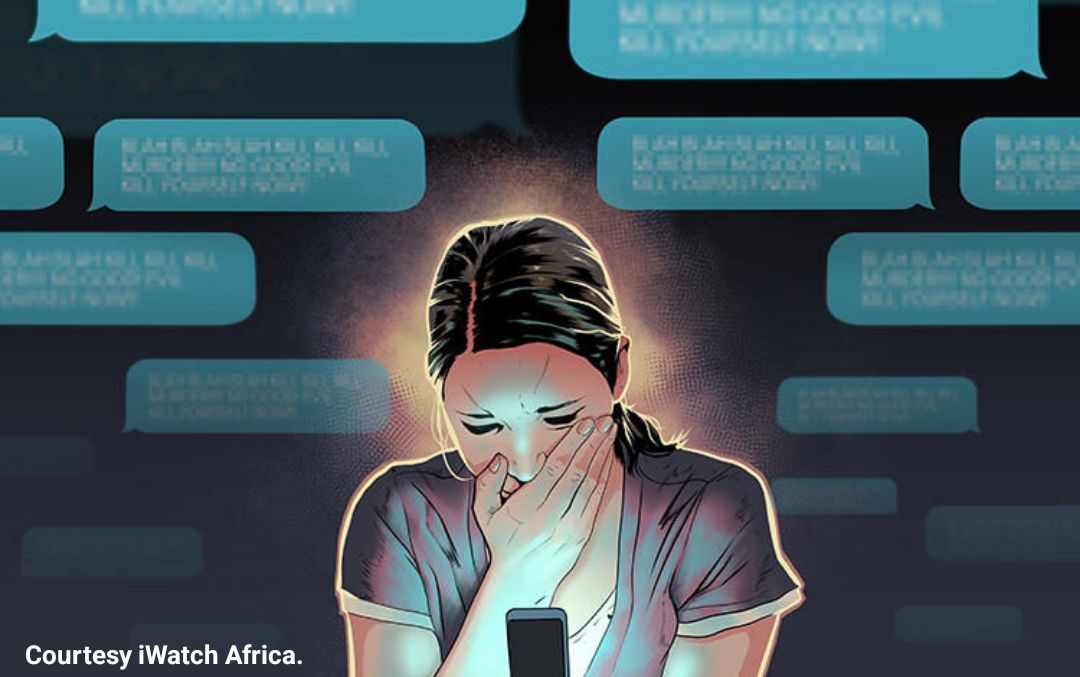
Gulu | Cyberbullying has become an invisible epidemic tearing through the lives of millions of African children, with victims unable to find respite even within their own homes, experts warn.
Unlike traditional bullying, cyberbullying follows children everywhere across social media, messaging apps, and gaming platforms with no bell to signal the end of the torment.
In Uganda, approximately one in five children experience cyberbullying, while one in three are exposed to cyber stalking and a 2025 Makerere University study found that 42.8 percent of school-going adolescents had been cyberbullied, with 31.8 percent admitting to perpetrating it primarily via mobile phones (53.5 percent) and platforms like WhatsApp.
Further, the study also established a significant correlation between cyberbullying and psychological distress, with children suffering anxiety, depression, and diminished wellbeing.
In Nigeria, over 50 percent of children surveyed reported experiencing bullying or harassment online, with many refusing to seek help out of fear of judgment or punishment.
According to GSMA data, 30 to 40 percent of children in Nigeria, South Sudan, and Zambia had knowingly engaged with strangers online, with many reporting harassment via WhatsApp, Facebook, and TikTok.
Globally, the scale is staggering. Over 300 million children a year are victims of online sexual exploitation and abuse, according to the first global estimate of the problem published this year.
In addition, one in four children can expect to face unwanted or pressured sexual interactions online, with more boys than girls affected with 19 percent of males and 38.6 percent of females experiencing this before turning 18.
Therefore, the psychological toll is devastating. Students with bullying victimisation are 1.7-fold more prone to suicidal ideation than their counterparts.
According to cyberbullying can contribute to mental health disorders, substance misuse, and, in extreme cases, suicidal ideation, according to child safety experts.
Research published in Nature on 27 May 2026 found that when children did disclose abuse, they were far more likely to confide in friends or family rather than use formal reporting mechanisms such as police, teachers, or help lines.
In Nigeria, the House of Representatives has passed the Child Online Access Protection Bill (HB.244), a landmark legislative effort to create a safe digital environment for an estimated 30 million Nigerian minors.
Additionally, if passed, Nigeria would become the first African country to establish such a dedicated online safety framework and the bill proposes fines of up to ₦10 million for corporate offenders and up to ₦5 million or imprisonment for individuals guilty of online crimes against children, including cyberbullying, grooming, and non-consensual sharing of intimate images.
The African Committee of Experts on the Rights and Welfare of the Child has also called on states to establish oversight mechanisms that hold technology and social media companies accountable for protecting children online.
For the millions of African children already scarred by online abuse, these measures cannot come soon enough and as one child protection advocate put it, cyberbullying is worse than traditional bullying because children can’t escape it, not when the internet has become so ubiquitous.
The question now is whether governments, tech companies, and parents will act before another generation is lost to the digital abyss.
Discover more from tndNews, Uganda
Subscribe to get the latest posts sent to your email.