Amolatar | the heart of Amolatar district, a palpable sense of frustration reverberates through the community of Awidakowil village, located in the Agikdak sub-county of northern Uganda.
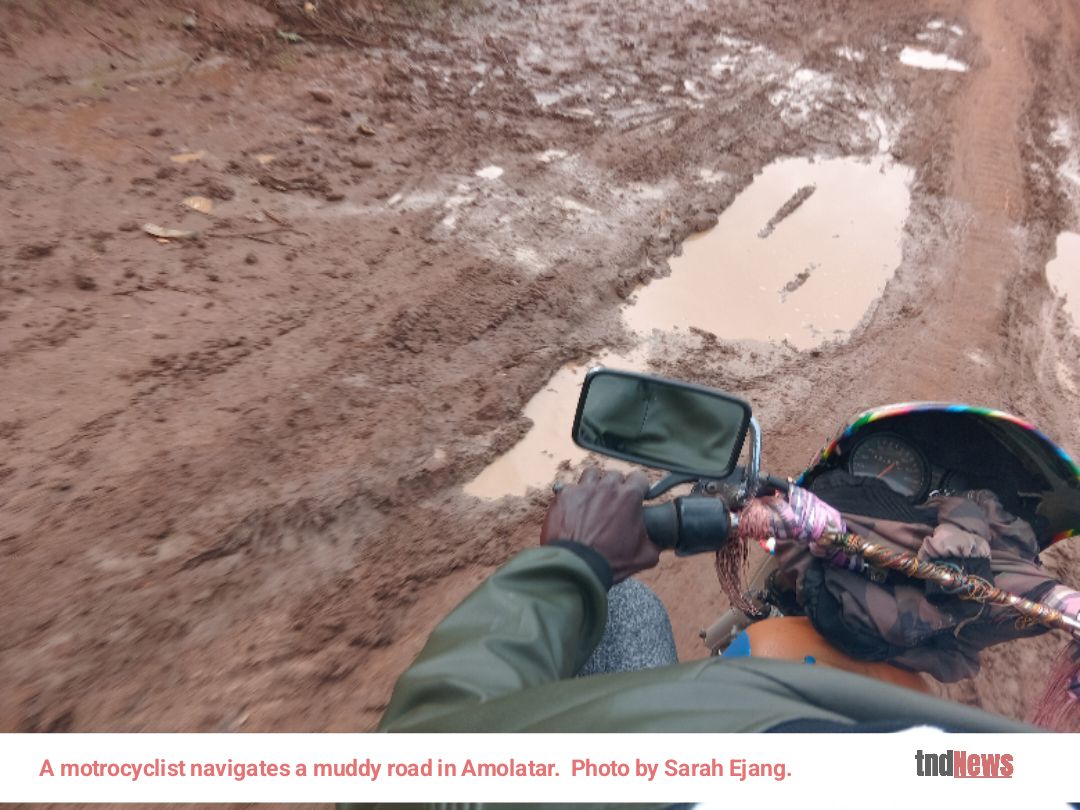
Residents are vocal about their discontent regarding the appalling condition of the Tangala–Awidakowil road, a vital artery for commerce and daily life.

Despite the allocation of shs1 billion intended for road maintenance across the country, local leaders have been unable to resolve the pressing issues affecting this critical thoroughfare.
State Minister for Works, Musa Ecweru, recently highlighted that the 2023/2024 budget was primarily geared towards road maintenance, following directives from the President.
However, this has done little to address the urgent infrastructure needs of residents, particularly those who rely on the roads for their livelihoods.
Grace Obong, a local businesswoman expressed the challenges she and her peers endure, stating: “As business people, we rely heavily on our roads for access to the markets.
The Tangala–Awidakowil road has become increasingly narrow and impassable.” Her appeal for assistance underscores the dire economic consequences faced by entrepreneurs navigating these deteriorating conditions.
Farmers, too, are feeling the brunt of neglect. Icaya Denish, a livestock farmer, lamented, “We can’t even access the market with our animals due to the terrible condition of the road. It has become too expensive to keep repairing our motorbikes every time we navigate the flooded sections.”
This sentiment resonates widely, reflecting the extensive economic toll the neglected road has inflicted on the agricultural community.
Denish Odur, another local resident, raised concerns about the need for immediate action from local leaders, highlighting the impact of poor infrastructure on basic services.
“The distance we travel just to access basic services is unacceptable. We need solutions,” he asserted, aligning his voice with many who feel constrained by inadequate transport facilities.
Grace Auma, who manages a cassava flour business, echoed these frustrations. “I have lost business because I often get stuck in the water.
This situation is not sustainable,” she noted, emphasizing how the road’s condition directly affects not only access but also local trade and income.
Richard Okori Omoo, a Person with a Disability (PWD), voiced deep concerns about accessibility to essential venues such as places of worship and burial sites.
“These roads have turned into no-go zones, affecting our community’s ability to gather for important occasions,” he remarked, shedding light on the social ramifications of the failing infrastructure.
Councillor Ketty Etap, representing PWDs at the district level, reiterated the urgency of addressing the poor road conditions, which severely limit access to vital services like hospitals and schools.
The situation is exacerbated by heavy rainfall, frequently leading to flooding across the district.
When approached for comments on the community’s grievances, Paul Samuel Mbiiwa, the Chief Administrative Officer of the district, deferred inquiries to Andrew Ogwang, the District Information Officer.
Ogwang provided a breakdown of the previous year’s expenditures, confirming that 99.8 million shillings had been allocated for routine maintenance, and ongoing works are being undertaken on multiple roads.
He reassured residents that improving road conditions remains a priority, with 450 million shillings earmarked for the upcoming financial year to enhance seven community roads.
Additionally, plans are in motion to maintain 62 kilometers of road with a budget allocation of 850 million shillings for the next fiscal year.
Ogwang acknowledged that heavy rains have hindered repairs in several areas, particularly where natural obstacles like swamps block access.
As the 2025/2026 fiscal year approaches, officials plan to address an additional 78.7 kilometers of road network and develop 2.5 kilometers of new roadway under the Road Transport Infrastructure Plan.
While expressing the need for patience as these plans unfold, Ogwang emphasized the district’s dedication to resolving the concerns raised by residents.
As the people of Agikdak sub-county continue to fight for improved infrastructure, there is hope that elected leaders will respond promptly to their call for effective solutions.
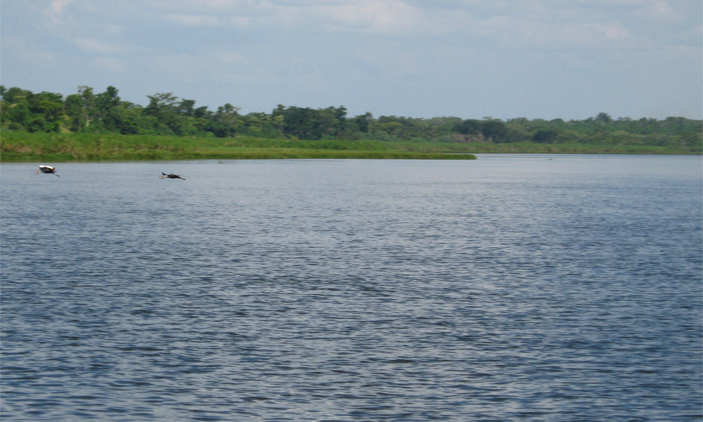
Moreover, it is crucial to acknowledge that Amolatar district, among the five districts in the Lango sub-region experiencing severe flooding, faces extraordinary transport challenges, as evidenced by residents resorting to canoes to traverse inundated areas.
This stark reality highlights the pressing need for action to restore connectivity and support the community’s daily lives.
This story was done with support from ACME under the Public Accountability Reporting Project 2025.
Discover more from tndNews, Uganda
Subscribe to get the latest posts sent to your email.