ESAFF calls for efforts to promote food safety to avert food-borne infections
ESAFF works by nurturing the participation of small scale farmers in sustainable development processes, capacity building and institutional development

North's First

ESAFF works by nurturing the participation of small scale farmers in sustainable development processes, capacity building and institutional development
Small-scale farmers still struggle to access proper roads for product transportation and storage facilities that guarantee food safety, ranging from roads to storage and electricity supply.
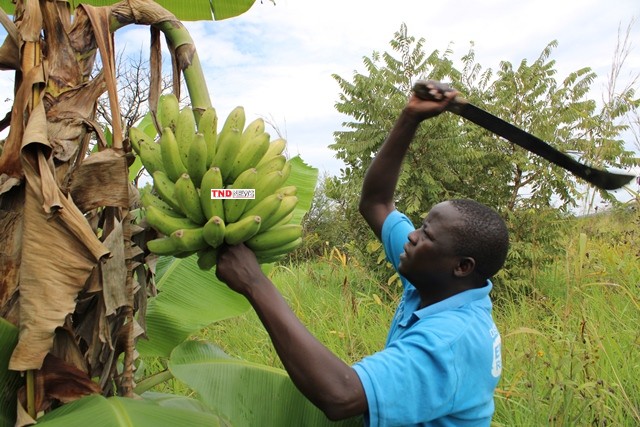
Lyantonde district is known for growing matooke, potatoes, millet and beans in addition to cattle keeping. Today, it has one acre of tea plantation for training and demonstration purposes.
The line Ministry under the leadership of Dr Monica Musenero has since refused to release over shs41b approved by Parliament for 2021/2022 financial year for Sericulture projects across the country currently implemented by TRIDI.
Ambaku said the land in which he is practicing agriculture is still virgin and thinks using chemical and synthetic fertilizer will destroy the soil fertility.
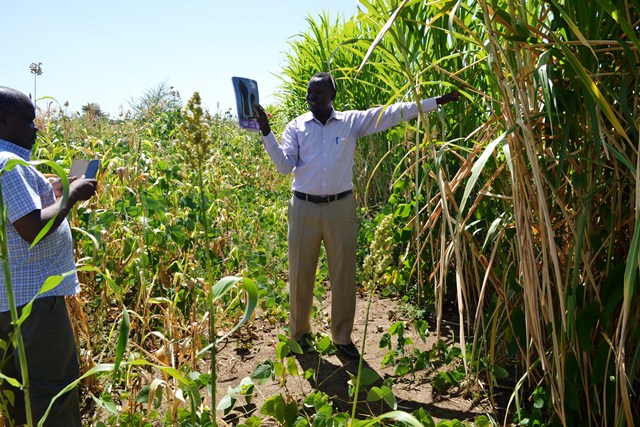
With such practices, Obin says, locals will be able to increase soil fertility unlike monoculture, a common practice in Karamoja, where farmers mainly grow sorghum, which drains the soil.
“Karamoja sub-region had 2.3 million (19.8%) cattle and the rest of Northern Uganda had 1.6 million (14.4 %) just about the exact numbers of cattle in Botswana,” Ambassador Moto said, quoting animal census of 2008 by UBOS.
ProVeg says the youth board members are truly global, hailing from North and Sub-Saharan Africa, the Americas, Europe and Asia.
Getting young people involved in lobbying for food system change is vital to keep the momentum going towards progress in tackling climate change, says Juliette Tronchon, Senior Policy and Public Affairs Specialist at ProVeg.
In Uganda, millets are grown in the east, north and south western regions. In the east and north, districts of Apac, Kitgum, Lira, Kamuli, Iganga, Soroti and Tororo use more than 60 percent of the countries acreage to grow millet.
Each country is asked to facilitate the implementation of adoption of standards for agroecology products and by extension facilitate trade in agroecological products.
CABI has already been working on natural enemies to try and fight papaya mealy bug in Kenya under the Darwin Initiative project.
Kindly write to us to copy and paste this article. Thank you!