For many communities living along the Uganda–South Sudan border, security is not merely a government responsibility, it is a daily concern that shapes livelihoods, movement, and peace of mind.
Recent reports of armed attacks in parts of the Acholi sub-region, which have left at least three people dead, have heightened anxiety among residents and renewed calls for stronger cross-border security cooperation.
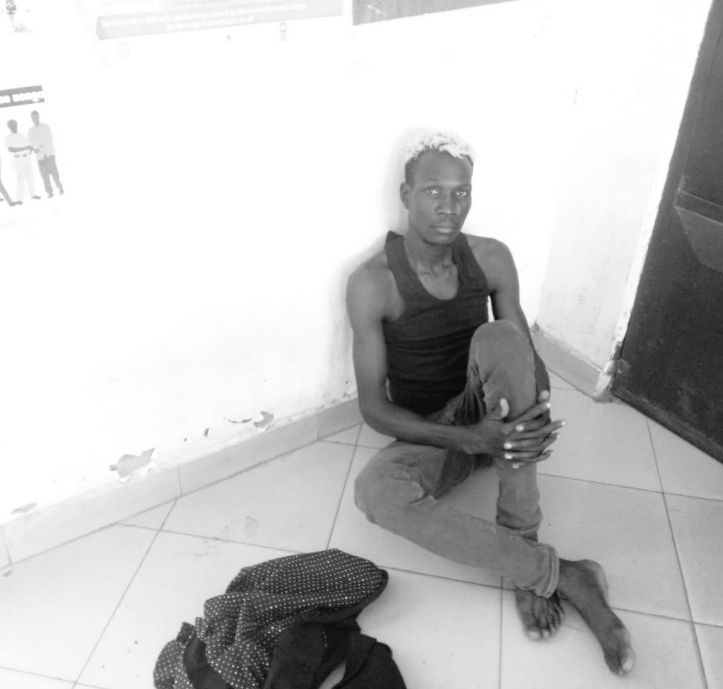
The concerns intensified following the arrest of a suspected South Sudanese gang leader believed to be linked to a criminal network operating across the Uganda–South Sudan border.
Lamwo Resident District Commissioner William Komakech confirmed the arrest, describing it as a significant breakthrough in ongoing efforts to combat transnational crime.
“The suspect is believed to be connected to recent incidents of gun violence in the Acholi sub-region. Investigations are ongoing, and we are working closely with authorities in South Sudan to dismantle the wider criminal network,” Komakech said.
According to security officials, the arrest was made possible through collaboration between Ugandan security agencies and authorities in Torit State, South Sudan.
RDC Komakech noted that security personnel are still pursuing additional suspects believed to be associated with the criminal group.
While investigations continue, local leaders say the incident highlights the growing importance of regional cooperation in addressing security threats that do not respect national boundaries.
Lamwo district chairperson Oyet Sisto Ocen welcomed the security operation, saying communities have recently expressed growing concern over reports of armed attacks.
“Our people have been worried. The arrest sends a message that security agencies are committed to protecting citizens and pursuing those responsible for violent crimes,” he said.
Residents living near the border describe the impact of insecurity as far-reaching. Okello Jonathan, a trader in Ngomoromo trading Centre, said fear often affects business activities and movement.
“When people hear about gun violence, they become afraid to travel or transport goods. Security is important for trade and development,” he said.
Similarly, Ajok Grace, a farmer from Lokung East sub-county, said communities have been relying heavily on security patrols and information sharing.
“We want peace because our livelihoods depend on it. Farmers need to access their gardens, and traders need to move freely,” she said.
Security experts argue that border regions are particularly vulnerable because criminal groups often exploit differences in jurisdiction and weak coordination between neighboring countries.
According to police sources, effective intelligence sharing, joint operations, and community vigilance remain among the most effective tools for preventing cross-border crime.
The Aswa East Regional Police PRO, IP Oloya Joe, urged residents to continue cooperating with security agencies.
“Security is a shared responsibility. We encourage members of the public to report suspicious individuals and activities. Information from communities often plays a crucial role in preventing crime,” Oloya said.
Leaders say community participation remains essential because residents are usually the first to notice unusual movements or suspicious behavior.
For border communities that have experienced years of instability linked to regional conflicts, cattle theft, illegal firearms, and organized criminal networks, the latest arrest offers hope that security agencies are making progress.
However, authorities caution that sustainable peace will require continued cooperation between governments, security institutions, and local communities.
As investigations continue, the broader lesson emerging from Lamwo is clear: in an increasingly interconnected region, tackling crime requires partnerships that extend beyond borders.
For residents of northern Uganda, stronger cooperation between Uganda and South Sudan may not only help reduce crime but also strengthen trade, social relations, and long-term stability for communities on both sides of the border.
Discover more from tndNews, Uganda
Subscribe to get the latest posts sent to your email.