For thousands of girls across Northern Uganda, menstruation remains more than a monthly biological process and it is often a barrier to education, health, dignity, and equality.
However, a growing movement led by health advocates, community organizations, and women’s rights activists is challenging long-held stigma and promoting what experts call “dignified menstruation” as a pathway to broader sexual and reproductive health and rights.
Therefore, this call comes at a time when rising living costs, climate-related disasters, and persistent poverty continue to push menstrual health needs further down the list of priorities for many vulnerable families.
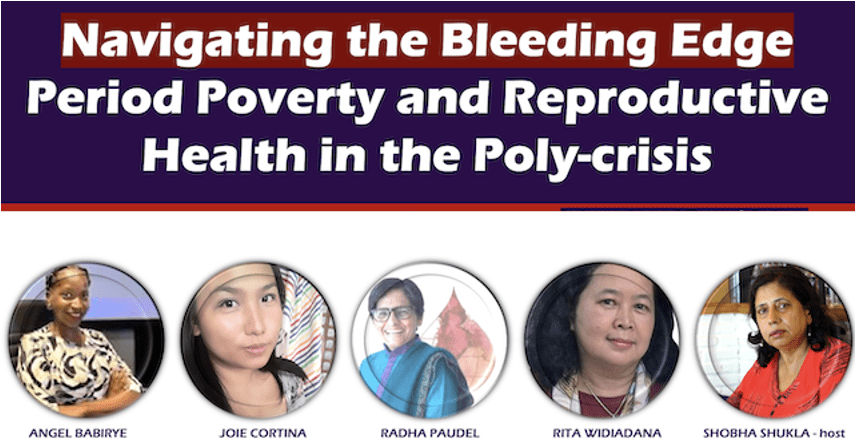
Speaking during a global dialogue marking the International Day of Action for Women’s Health and Menstrual Hygiene, Radha Paudel, founder of the Global South Coalition for Dignified Menstruation, an activist and nurse noted that dignified menstruation is rooted in the right to dignity, freedom, equality and non-discrimination.
Paudel argues that menstrual discrimination remains one of the least recognized forms of gender inequality.
“Menstrual discrimination reinforces patriarchy and exclusion and it affects girls and women at home, in schools, and throughout society,” she said.
A daily reality in northern Uganda
In districts such as Gulu, Kitgum, Lamwo, Nwoya, Adjumani, Obongi, and Yumbe, access to affordable menstrual products remains a challenge, particularly among refugee-hosting communities and low-income households.
Education officials and civil society organizations in Northern Uganda have repeatedly reported that many girls miss classes during their menstrual periods due to lack of pads, inadequate sanitation facilities, and fear of embarrassment.
Thus, the challenge has become more acute as inflation continues to increase the cost of essential commodities.
“Menstrual products are not luxury items,” said Angel Babirye, President of the African Youth and Adolescent Network East and Southern Africa and Chief Executive Officer of Us for Girls Foundation Uganda.
She noted that many families are forced to choose between buying food and purchasing menstrual products.
“When girls cannot afford pads, some use unsafe alternatives or extend the use of products beyond recommended hours, exposing them to infections and other health complications,” Babirye said.
Moving beyond pad distribution
While pad distribution programmes have expanded in schools and refugee settlements, advocates say the solution requires a broader approach.
According to Paudel, focusing only on menstrual products misses the larger issue of human dignity.
“We need to think of menstruators as human beings, thus, dignified menstruation is not just about access to pads and it includes privacy, clean water, information, freedom from stigma, and inclusion in policy decisions,” she said.
Hence, this message resonates strongly in Northern Uganda, where humanitarian emergencies have become increasingly common due to refugee influxes, floods, and prolonged dry spells linked to climate change.
In the region, women and girls in displacement settings often face difficulties accessing private washing facilities, clean water, underwear, and menstrual products during emergencies.
“Periods do not stop because of wars, disasters, or humanitarian crises and menstrual health must be integrated into disaster preparedness and response plans,” Babirye stressed.
Despite the challenges, local initiatives across Northern Uganda are demonstrating practical solutions.
Several community-based organizations are training girls and women to produce reusable menstrual pads, reducing costs while promoting sustainability.
In addition, schools are increasingly establishing menstrual hygiene clubs that provide information, peer support, and emergency supplies.
William Onyai, the Gulu District Senior Health Educator noted that menstrual literacy is equally important.
“Many girls enter puberty without adequate knowledge about menstruation, often leading to fear, confusion, and absenteeism from school,” Onyai said.
He however called for greater involvement of boys, fathers, teachers, and community leaders in menstrual health discussions.
“When boys understand menstruation, stigma reduces significantly and menstrual health should not be treated as a girls-only issue,” said Babirye.
Some schools in Northern Uganda have already begun incorporating menstrual health education into life-skills programmes, helping create safer and more supportive learning environments.
Language matters
Another emerging conversation focuses on the language used to discuss menstruation.
Paudel is among advocates encouraging the replacement of the term “sanitary pad” with “menstrual pad.”
“Our menstrual blood is not dirty. Calling them menstrual products rather than sanitary products helps challenge harmful perceptions that menstruation is unhygienic or shameful,” she said.
Advocates believe such language shifts can influence public attitudes and reduce stigma.
Gender justice advocates are also celebrating a major development in women’s healthcare.
In May 2026, the International PCOS Network, working with The Lancet, officially adopted a new name for Polycystic Ovary Syndrome (PCOS): Polyendocrine Metabolic Ovarian Syndrome (PMOS).
“The old name focused narrowly on ovarian cysts, while PMOS recognizes the broader hormonal and metabolic impacts affecting millions of women worldwide,” explained Shobha Shukla, coordinator of the SHE & Rights campaign.
However, the condition affects an estimated one in eight women globally and is associated with insulin resistance, irregular menstrual cycles, fertility challenges, and mental health concerns.
Women’s health advocates say the renaming represents a broader shift toward recognizing and addressing conditions that have historically been misunderstood or overlooked.
The road ahead
As Uganda prepares to advance gender equality and improve reproductive health outcomes, advocates believe menstrual justice must become a national priority.
For Northern Uganda, where poverty, displacement, and gender disparities continue to affect girls’ opportunities, ensuring dignified menstruation could have far-reaching benefits.
Health experts argue that improving access to menstrual products, clean water, private sanitation facilities, accurate information, and supportive policies can increase school attendance, improve health outcomes, and strengthen gender equality.
“Dignified menstruation is an entry point to a period-friendly world and menstruation is life-affirming. It should never be a source of shame,” Paudel said.
For girls across Northern Uganda, that vision is increasingly becoming a movement and advocates hope, a reality.
Discover more from tndNews, Uganda
Subscribe to get the latest posts sent to your email.