Uganda is set to hold its general elections next week, a period traditionally marked by heightened political engagement between candidates and voters across communities.
Election seasons often evoke intense emotions, fueled by nonstop media coverage and continuous public discussions around political issues that directly affect individuals, families, and communities nationwide.
This election period is unfolding within an expanded digital landscape that has transformed the world into a virtual village.
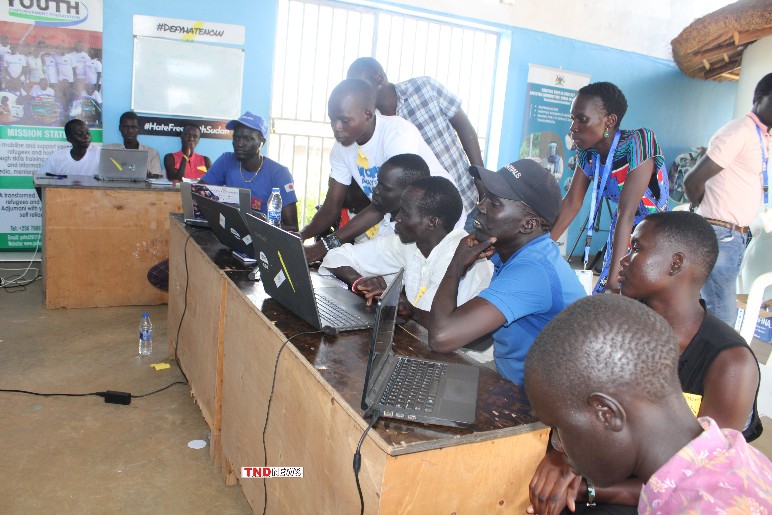
Uganda currently has an estimated 11.77 million social media users, accounting for approximately 24.6 percent of the population. A significant proportion of these users are young people, the most active demographic online.
According to the Uganda Communications Commission (UCC), more than 70 percent of internet users in Uganda are aged between 15 and 35 years.
Social media has become deeply embedded in everyday life, particularly for Generation Z. Platforms such as Facebook, X (formerly Twitter), Instagram, TikTok, Snapchat, and YouTube now play a central role in communication, social interaction, political engagement, and information sharing.
Unlike previous election cycles, when citizens primarily relied on a few television stations such as NTV and NBS, the current media environment is far more complex and immersive.
Streaming services, social media, and live online broadcasts enable individuals to have greater control over what they consume, while political actors are increasingly livestreaming campaigns to reach wider and younger audiences.
While this expanded digital engagement has improved access to information and participation, it has also introduced significant mental health risks.
Reports of confrontations, harassment, and incidents of violence circulating across digital and traditional media platforms have become common.
Exposure to such content, whether through social media feeds or televised news, can trigger anxiety, emotional distress, trauma responses, and other mental health challenges, particularly among young people who consume this content repeatedly and in real time.
These risks should concern all stakeholders, regardless of political affiliation. Continuous exposure to violent imagery, hostile political messaging, misinformation, and emotionally charged debates can overwhelm individuals, leading to heightened stress, fear, anxiety, and in some cases, symptoms associated with post-traumatic stress disorder.
Young people, often referred to as Gen Z, whose emotional regulation and coping mechanisms are still developing, are especially vulnerable.
Media stakeholders, therefore, have a critical responsibility to regulate and present content in ways that minimize psychological harm. At the same time, individuals must take proactive steps to protect their mental well-being during this period.
Practical strategies include limiting time spent on media platforms, avoiding distressing or inflammatory content, practicing self-care, and seeking professional or community-based mental health support when needed.
Promoting responsible media consumption and prioritizing psychological well-being is key to ensuring that civic participation does not come at the cost of mental health, especially for Ugandan youth in this digital age.
Ocen Daniel Comboni is a community psychologist and student of MSc in mental health, Lira University
Discover more from tndNews, Uganda
Subscribe to get the latest posts sent to your email.