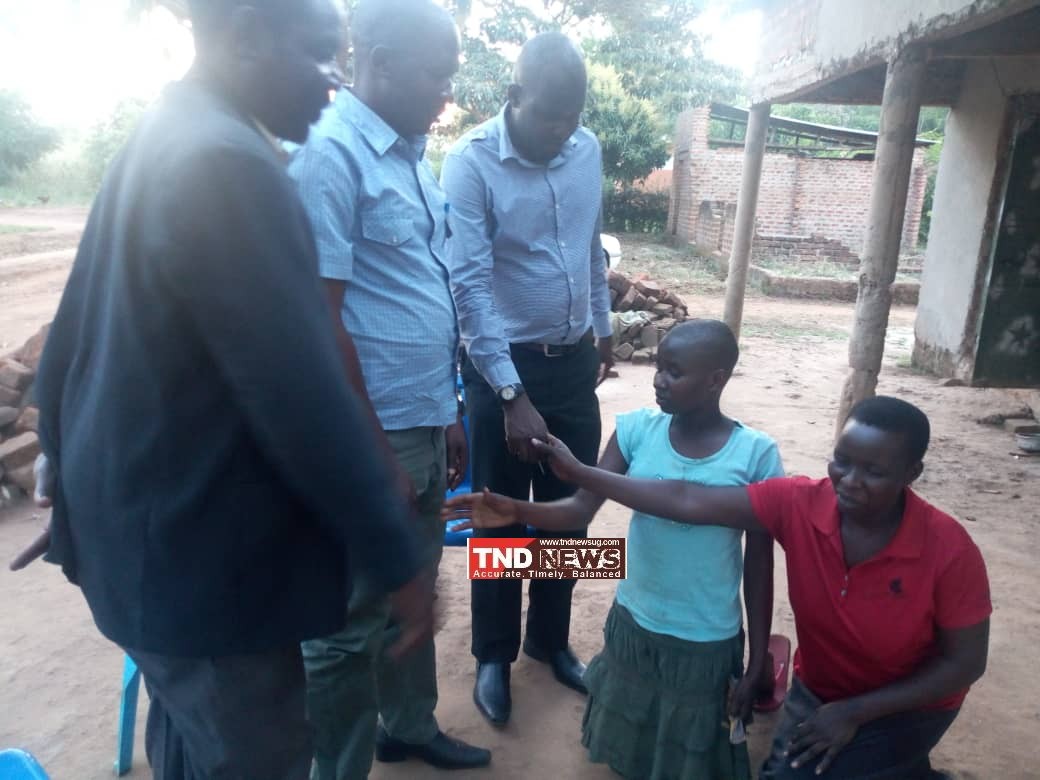
Lamwo | In a significant step toward enhancing digital literacy and preparing learners for the modern job market, the Lamwo district local government, in collaboration with development partners, has completed the assessment of seven schools for potential inclusion in the Ministry of Education and Sports’ National Coding Programme.
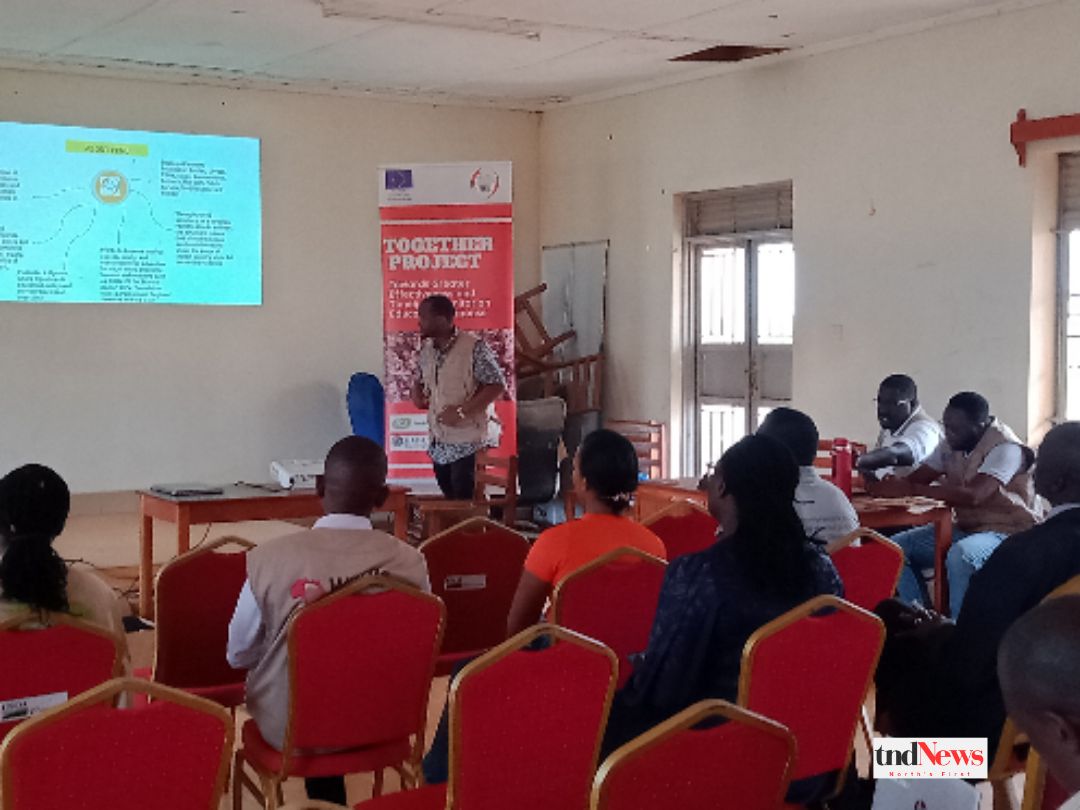
This initiative, spearheaded by the Finn Church Aid (FCA) and FENU as part of its broader digital transformation agenda, and through their together project with a mission toward greater effectiveness and timely humanitarian education response meant to assed community school to be coded by the ministry of education and sport.
The assessed institutions include Paluda Secondary School, Aywee Primary School, Progressive Primary School, Bright Future Primary School, World View Primary School, Gloryland Primary School and Unity Primary School.
According to district education officer Banabas Langoya, these schools were selected based on accessibility, existing ICT infrastructure, staff readiness, and learner population.
The assessment focused on evaluating the schools’ readiness to implement basic coding and digital skills training as part of the new competency-based curriculum.
“This is a timely initiative. Coding is no longer a skill for university students only. Starting from the primary and secondary levels gives our children a head start in a digital world,” said Langoya.
He added that the district is committed to working with the Ministry and other stakeholders to ensure successful rollout once the schools are approved.
Speaking during the assessment exercise, Orogers Kagondo, program development officer FENU expressed optimism that the inclusion of these schools in the coding program would be a game changer for education in the region.
“We are proud to be part of this forward-looking initiative. Introducing coding at primary and secondary school level will not only improve digital literacy but also empower learners to think critically and innovatively,” Kagondo noted.
Odur Justine Peace, councilor five for Lamwo district who represented district chairperson welcomed the development, noting that coding is no longer a luxury but a necessary skill in today’s digital-driven economy.
“Lamwo may be a rural district, but our children deserve access to the same digital opportunities as those in urban centers. Coding skills can open global doors,” he said.
He also called on the Ministry and development partners to provide continuous support in terms of training, infrastructure, and internet access.
Parents and community leaders also welcomed the move and appealed for additional support in terms of computers, internet access, and teacher training.
The coding program, once approved and implemented, is expected to provide learners with basic programming skills using beginner-friendly languages such as Scratch and Python, as well as promote STEM (Science, Technology, Engineering, and Mathematics) education in rural areas.
The Ministry of Education and Sports is expected to release its final list of approved schools in the coming months, after a nationwide assessment and vetting process.
Once the Ministry of Education completes the national vetting process, the approved schools will be equipped with computer labs, trained instructors, and support materials to begin implementing the program.
The final list of approved schools is expected to be released before the next academic year begins.
Discover more from tndNews, Uganda
Subscribe to get the latest posts sent to your email.