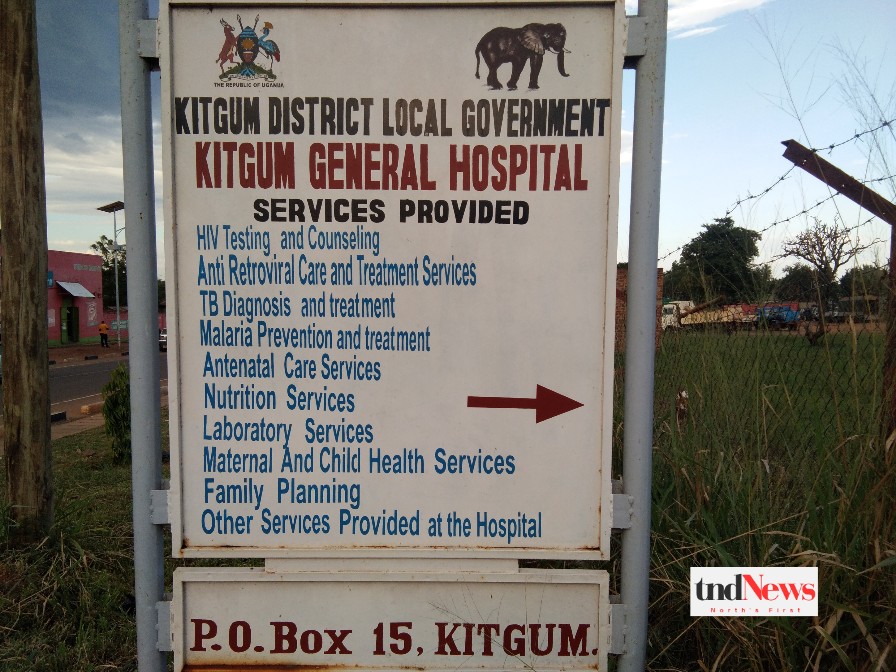
Kitgum | The neonatal death rate at Kitgum General Hospital has dropped from 70% to 5% in the last six years, thanks to better care and equipment provided by the Ministry of Health and the Kitgum district local government.
Sister Grace Atim, in charge of the hospital’s Neonatal Intensive Care Unit (NICU), announced the development. She revealed that between 2018 and 2020, approximately 70% of premature babies admitted to the facility died.
“At the time, most of these babies died due to complications such as delayed labor, late referrals from other facilities, and poor breathing after delivery,” Atim explained.
“If a baby is born and suffers from birth asphyxia, it brings a lot of complications that can lead to death if not managed well.”
Sister Atim attributed the lower mortality rate to increased support from the Kitgum district local government and the Ministry of Health, which provided the neonatal unit with necessary equipment and resources to care for preterm babies.
Despite the progress, medical workers at the neonatal ward have expressed concerns about the facility’s limited space due to an increase in admissions. Dr. Geoffrey Okello, the Medical Superintendent of Kitgum General Hospital, stated that the unit was originally designed to accommodate only 10-15 babies, but now hosts between 30 and 38 babies, owing primarily to an increase in teenage pregnancies.
Dr. Casta Robert Ouma, a pediatrician at the hospital, stated that the increase in premature births is closely related to the region’s growing number of teenage mothers. To meet the growing demand, he urged the neonatal unit to be expanded and upgraded.
Dr. Henry Okello, Kitgum’s acting District Health Officer, expressed similar concerns, stating that current staffing levels are inadequate.

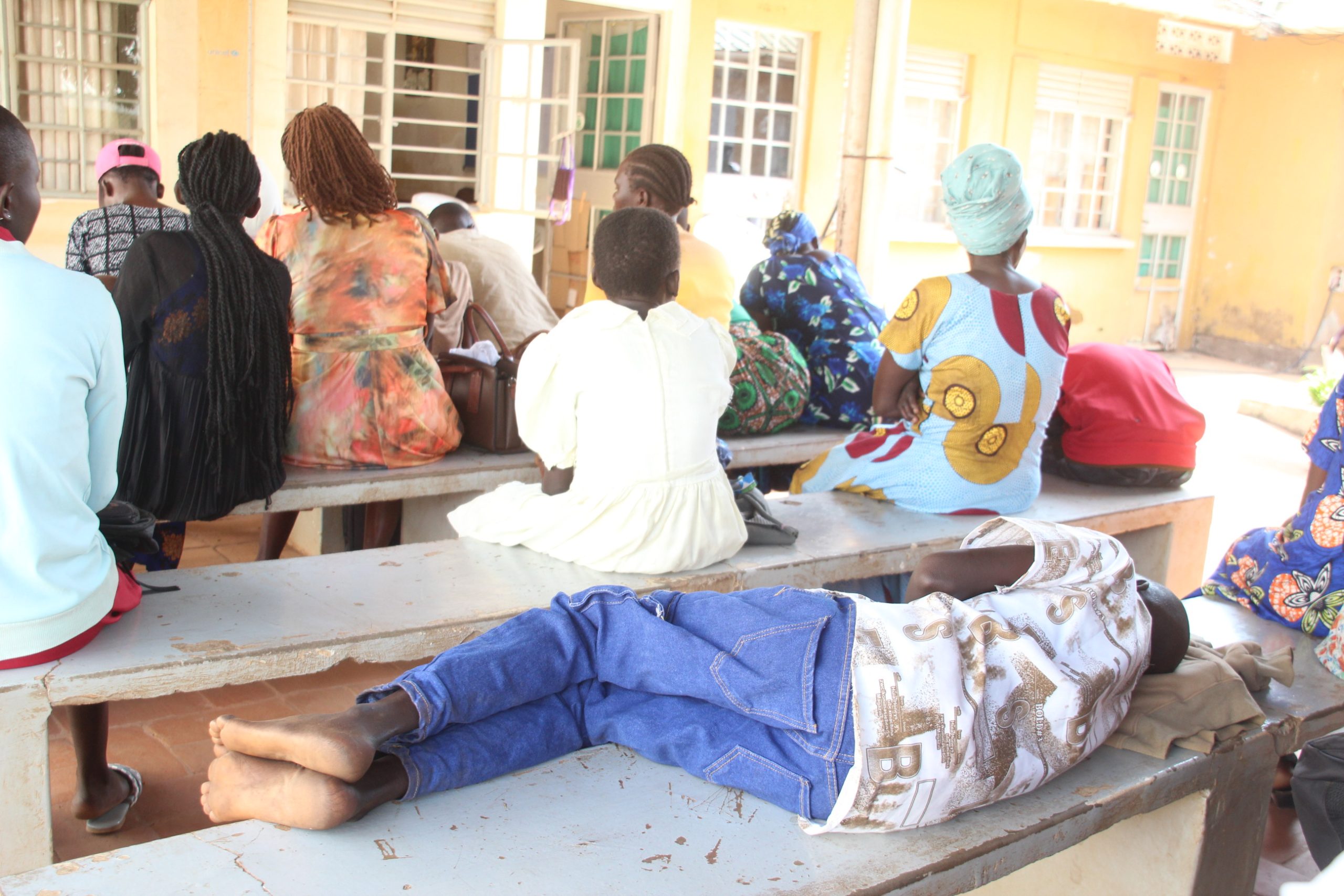
“Our staff ceiling stands at 74%, and mothers and caretakers have voiced concerns over overcrowding in the neonatal ward,” he said, appealing for more staff and equipment.
Sister Atim also stated that the hospital’s neonatal unit receives between 80 and 100 premature babies per month from neighboring districts such as Agago, Pader, Lamwo, and even bordering South Sudan.
Preterm babies account for 22% of these, putting additional strain on available resources.
Kitgum General Hospital opened its neonatal department in 2018 and had registered up to 2,100 neonatal cases by 2023, with 700 cases recorded in 2023 alone.
Ventorino Otto, President of the Rotary Club of Kitgum, stated that Rotarians around the world are preparing to mobilize resources to support the neonatal section expansion.
“We have a mission to deliver services to our people, focusing on national priorities and local needs for poverty reduction and improved quality of life,” said Arwai Christopher, Kitgum district LC5 chairperson.
Sister Atim concluded by urging expectant mothers to seek prenatal care early and often in order to avoid complications that frequently result in premature births.
Every year in Uganda, 226,000 babies are born prematurely, with 12,500 children under the age of five dying as a result of direct preterm complications.
According to the Uganda Health Newborn Network, nearly 85 percent of preterm babies are born between 32 and 37 weeks gestation, and the majority of them do not require intensive care to survive.
There are solutions to help vulnerable preterm and low birth weight babies survive and thrive.
Discover more from tndNews, Uganda
Subscribe to get the latest posts sent to your email.