Gulu, Uganda I In Northern Uganda, a region deeply scarred by years of civil conflict, a significant yet largely overlooked population faces unique challenges, people with hearing impairments.
The struggles of people with hearing impairments in Northern Uganda are emblematic of a broader pattern of exclusion and inequality faced by people with disabilities. Often invisible in the conversation about disability, those with hearing impairments struggle to gain access to education, healthcare, employment, and basic social services.
In a region where access to resources is already limited, cultural stigmas, inadequate infrastructure, and a lack of specialized services magnified the hurdles for individuals with hearing impairments.
However, the healthcare system in Northern Uganda, already stretched thin after decades of conflict, offers little support for individuals with hearing impairments.
In the region, health workers are often untrained in the specific needs of people with disabilities and accessing even basic medical care can be a daunting task.
Agnes Ajok, a 30-year-old woman with a hearing impairment, recalls her experience when she fell ill with a fever and went to a local health center in Amuru district.
“I went to the facility, but the nurse did not understand me. She asked me to explain what was wrong, but I could not speak, and she did not know sign language,” Ajok says. “I had to leave without receiving treatment.”
In addition to the challenges of communication, many healthcare facilities are not physically accessible to people with hearing impairments. The lack of trained healthcare professionals who are familiar with sign language means that people with hearing impairments often go without critical care, further marginalizing them.
Further, the situation is compounded by a broader social stigma that affects people with hearing impairments since in many communities in Northern Uganda, people with disabilities are often viewed as inferior or less capable thus this social exclusion leads to isolation and further disempowerment, making it harder for individuals to access social services, support systems and opportunities for integration.
Eunice Oyella, a midwife at Langol Health Center III, in Nwoya district, disclosed that some women with hearing impairments lack essential materials and assets that could help them in communications right from conception to giving birth.
“We wish the government and well-wishers come in and support these women living with disabilities with materials like basins, clothing and other essentials; right from the time these women conceived, during their visits until delivery even after birth services,” Oyella says.
While education remains a significant barrier, the struggle for employment and economic empowerment is an even greater challenge for adults with hearing impairments in the region.
Northern Uganda is still rebuilding from the years of conflict, offers limited job opportunities, and people with disabilities, especially those with hearing impairments which are often overlooked in the workforce.
In the busy streets of Gulu City, 27-year-old, Bosco Ocen stands at the edge of the market, selling handmade jewelry to passing customers. Born with profound hearing loss, Ocen is one of the few people with a hearing impairment to find a source of income. He makes a modest living, but his prospects are limited.
“I know how to make jewelry, something I learnt from Gulu Disabled Persons Union in Gulu City, but it is hard to find customers who are willing to buy from me. People do not understand me when I try to talk and that makes it hard to do business,” Ocen explains.
Ocen’s experience is a reflection of a broader trend in Northern Uganda, where people with hearing impairments often face discrimination and exclusion in the job market.
In Uganda, an estimated 12% of the population has a disability, yet 22% of unemployed Ugandans have a disability.

According to Teddy Aciro Luwa, Chairperson Gulu Women with Disabilities Union, persons with disabilities have less opportunity for employment, particularly as the economy is dominated by subsistence farming.
“Without access to education, training or support services, many are forced to rely on informal or self-employment opportunities,” Aciro says.
However, she noted that for those who do manage to find work, the lack of accessible communication channels, such as sign language interpreters or written materials, creates an additional barrier.
Adding that, “in the informal sector, many employers are unwilling to make the accommodations necessary for employees with hearing impairments, further entrenching economic exclusion.”
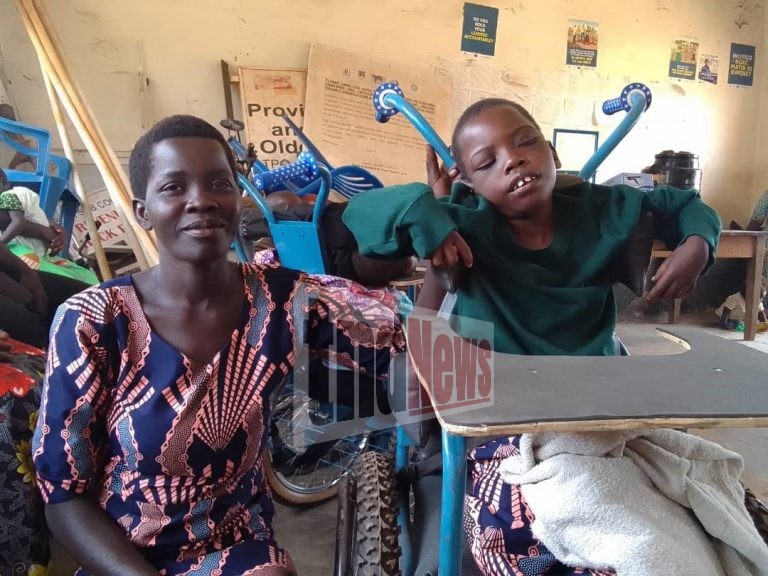
On the other-hand, 13-year-old Ronald Olanya’s dream of becoming a teacher is hindered by a lack of accessible schools. Born deaf, Olany was only able to attend school after his family relocated to semi-rural centers in Pabo Sub County, where they found a special education school for children with hearing impairments.
However, the school, which by that time lacked qualified sign language interpreters, accessible learning materials and the capacity to offer an education on a par with mainstream schools.
“I want to learn, I want to become a teacher,” Olanya says through his mother, who translates his sign language. “But the teachers do not know how to teach me well. Sometimes, I do not understand what they say, and I feel lost in class,” he added.
Education is a fundamental human right, but for people like Olanya in Northern Uganda, it is often out of reach. In the aftermath of the Lord’s Resistance Army (LRA) insurgency, the region has made strides in rebuilding infrastructure.
However, according to a report by UNICEF 2012, only 5% of children with disabilities are able to access education within inclusive settings in the regular schools while 10% access through special schools and annexes. Therefore, education for children with disabilities, particularly those with hearing impairments, remains severely underfunded and ill-equipped to address their needs.
Therefore, since government efforts to address these gaps have been limited, and many children like Olanya are left behind, missing out on opportunities for education and a brighter future.
Advocacy and support networks
In response to these challenges, several local and international organizations are working to raise awareness and advocate for the rights of people with hearing impairments in Northern Uganda.
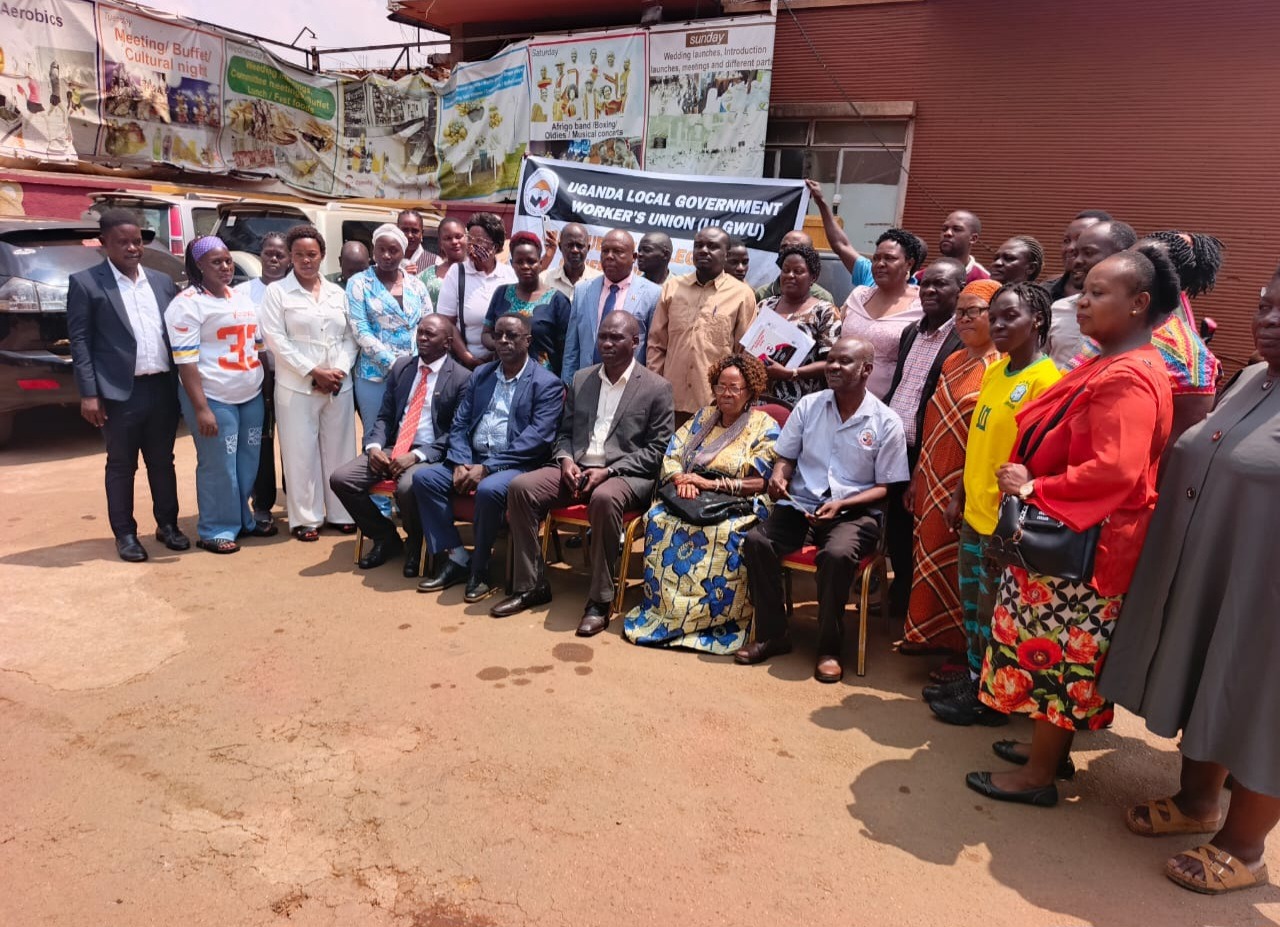
The Uganda National Association of the Deaf (UNAD) and other groups are leading efforts to increase the visibility of people with hearing impairments and promote inclusion in education, employment and public life.

Lakwonyero Denish Ocen, Councilor V representing Persons with Disabilities at Gulu District Local Government, has been working with local and international organizations to promote the rights of people with hearing impairments.
“I have faced many struggles in my life, but I am determined to change things for the next generation,” Ocen says.
“We need to make sure that people with hearing impairments have access to the same opportunities as everyone else. This is why we are teaching people to use sign language, so we can communicate and be heard,” he added.
In Gulu, a local school for children with hearing impairments received donations of hearing aids and specialized learning materials, and a few healthcare providers have also started offering sign language services. However, these efforts remain limited, and many people with hearing impairments still face overwhelming barriers to full participation in society.
Not only people with hearing impairment have been silenced, but also persons with visual impairments with civil society organizations coming in to support them and make sure their future is brighter.
For a truly inclusive society, it is essential to give people with hearing impairments and visual impairments tools, resources and respect they need to thrive. The silence that surrounds their struggles must be broken and their voices must be heard.
According to the National Population and Housing Census (NPHC) conducted by UBOS in 2014, 12.4 percent of the Ugandan population lives with some form of disability.
However, this figure has not been free from criticism, as similar surveys have generated different prevalence rates. The UBOS figure includes all those who reported at least ‘some difficulty’ in one or more functional domains.
Therefore, this is broader than the inclusion criteria recommended by the Washington Group, which suggests including individuals who report having ‘a lot of difficulty’ or greater.

Regulatory measures
In consonance with the 1995 Constitution of Uganda, it has put in place ‘The Persons with Disability Act (2006) and has also ratified the United Nations Convention on the rights of persons with disabilities (2008).
Further, Uganda is a signatory to the international agreements and commitments that provide for learners with special needs. For example, such instruments that bind those agreements are the Salamanca Statement and Framework for Action on Special Needs Education (1994).
“The right of all children, including those with temporary and permanent needs for educational adjustments to attend school, the right for all children to attend school in their home communities in inclusive classes,” the instrument reads in part.
It further cited that, “the right of all children to participate in a child-centered education meeting individual’s needs, and the right of all children to participate in quality education that is meaningful for everyone.”
The 2010 Government of Uganda Report to the Committee of Experts on the Rights and Welfare of the Child noted the various kinds of discrimination faced by children with disabilities in educational institutions, especially as a result of the non-provision of reasonable accommodation.
It further highlighted the various challenges faced by children with disabilities in their access to health services and justice and states that too often such children have been victims of negative community and cultural attitudes.
Therefore, as a solution, the government has established the National Council for Disability to implement policy and advance advocacy in favour of persons with disabilities.
In response to the report, the Committee of Experts recommended that the government put in place measures to raise awareness about disability in order to combat negative social perceptions and discrimination.
The Committee also recommended that the government of Uganda put in place measures to encourage integration of children into mainstream education and to promote the training of teachers accordingly.
However, Uganda’s third periodic report to the United Nations Committee on the Elimination of Discrimination against Women (CEDAW) does not specifically report on women with disabilities; however, it notes with concern the diversity in class among women and that such differences often lead to further marginalization.
Therefore, both instruments demand for access, equity and quality as regards educational services for persons with special learning needs and to meet those requirements, the Ministry of Education & Sports operationalizes the department responsible for special needs and inclusive education.
Discover more from tndNews, Uganda
Subscribe to get the latest posts sent to your email.