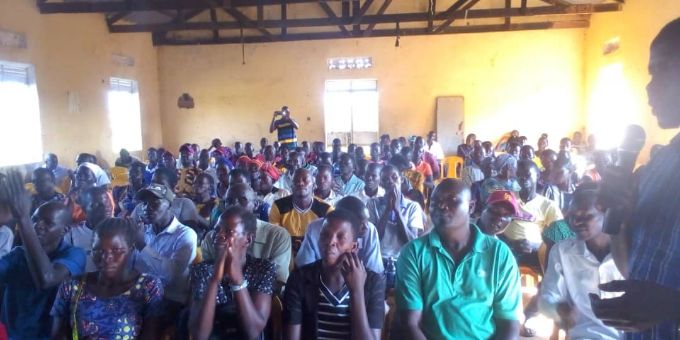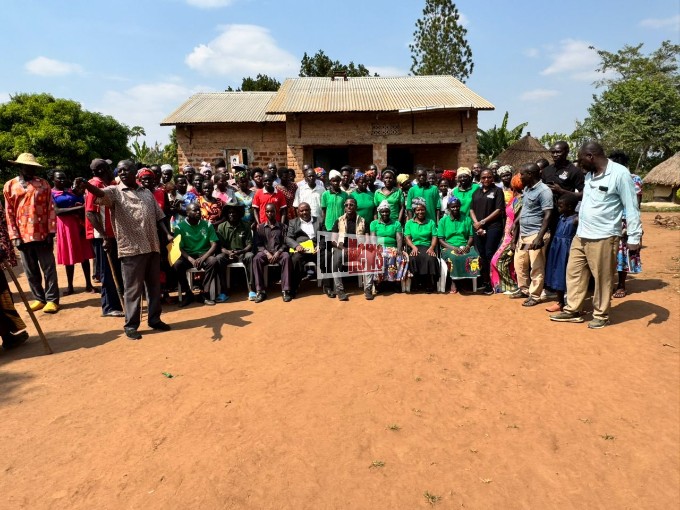
The Ministry of Gender, Labour, and Social Development is conducting regional tours to assess the status of jua kali enterprises.
Jua kali enterprises are expected to be transitioned into the formal economy through the SENTE programme.
The initiative, which has benefited over 23,000 people from 781 registered groups, seeks to promote growth in Uganda’s informal sectors such as tailoring, welding, carpentry, and creative arts.
Ngabiriano Fred, commissioner for youth and children affairs in the Ministry of Gender, stated that 32 of the 43 targeted groups have been covered, accounting for 74% of the total, with the Acholi and Lango sub-regions accounting for the majority.
He stated that during their assessments, they discovered that certain groups, such as event management, cosmetologists, and tailoring, are performing well.
Others, however, continue to face challenges, such as in Oyam, where six groups were unable to fully account for what they had accomplished with the assistance, while in other districts, people were saying this was their first time hearing about the program.
The program was launched nine years ago with the primary goal of increasing productivity, profitability, and employment in the informal sector by assisting businesses in transitioning to the formal economy.
Jenifer Akite, a beneficiary and member of Cung Irwot Caan Apoto Atura Catering Services in Oyam district, thanked the government for its collective inclusion efforts, stating that they are currently using their profits to add more equipment.
Akite, on the other hand, calls for increased government support because they intend to invest in other projects such as poultry farming in order to eliminate household poverty.
David Okumu, another Aber sub-county beneficiary, also thanked the government for its assistance. He says jua kali has helped to grow their events’ businesses.
Okumu stated that the event management proceeds will be used to pay school fees and lend loans to members and others. He is urging the government to continue expanding this programme to other areas.
The program, which is only for Ugandan-owned businesses organized into registered groups of at least five members, has faced some challenges.
These include tool misuse, inconsistent power supply, and some group members’ complacency.

The Ministry says it remains committed to addressing these issues and will continue to monitor the program’s impact across the country.
By Chris Woo.
Discover more from tndNews, Uganda
Subscribe to get the latest posts sent to your email.